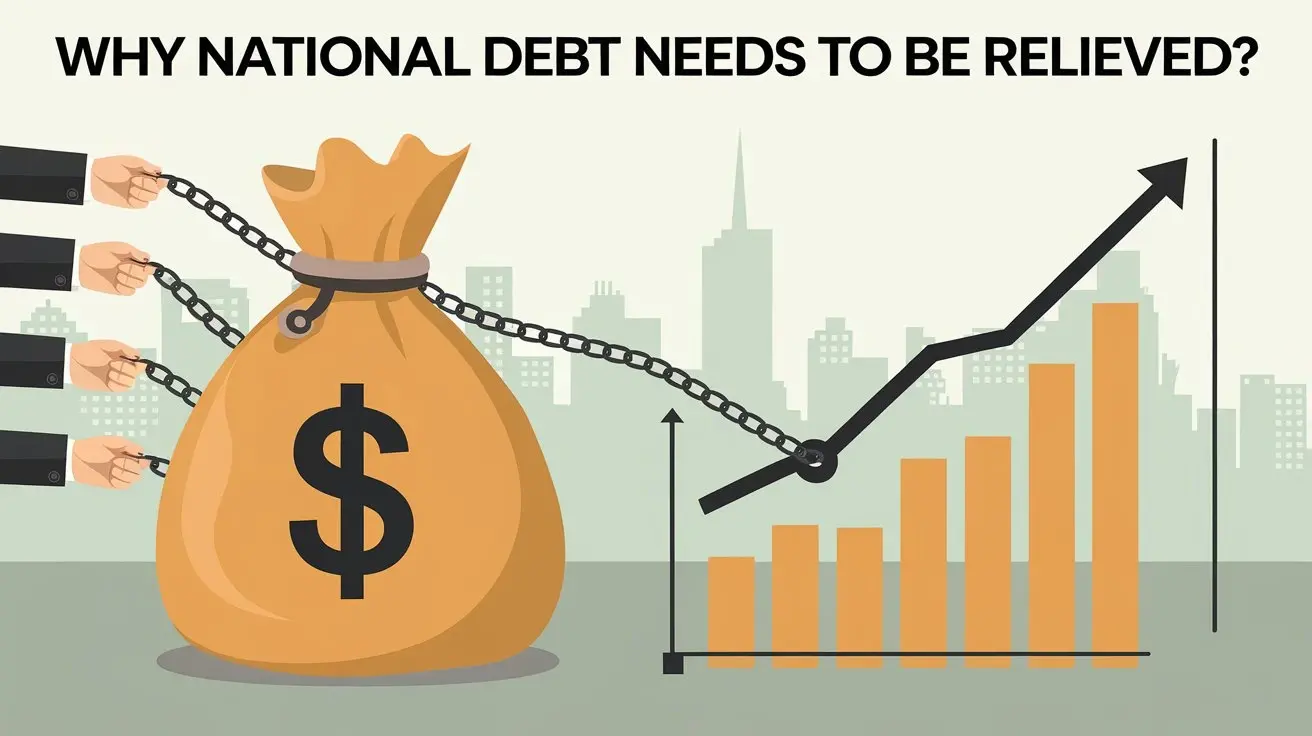
- Quick Answer
- Understanding why national debt needs to be relieved
- How Credit Repair Actually Works
- Actionable Strategies for managing personal debt
- Frequently Asked Questions About Debt Relief
Quick Answer
Relieving national debt is crucial because it impacts economic stability, limits government services, and can lead to higher taxes or inflation. Addressing it involves responsible spending, revenue generation, and sometimes, strategic debt management. Need professional guidance on managing your personal finances and credit? Call CreditRepairinMyArea at (888) 804-0104 for a free credit consultation.
What You Need to Know About Why National Debt Needs to Be Relieved?
When we talk about "national debt," it's easy to feel disconnected, as if it's an abstract concept that doesn't affect our daily lives. However, the reality is quite the opposite. A nation's debt, much like an individual's or a household's, represents the accumulation of borrowed money over time to cover expenses that exceed revenue. This debt is typically incurred to fund government operations, public services, infrastructure projects, and during times of crisis like wars or economic downturns. While borrowing can be a necessary tool for growth and stability, an unmanaged and escalating national debt can create significant problems for everyone within that nation.
One of the most immediate consequences of a large national debt is the burden of interest payments. A substantial portion of the government's annual budget can be allocated solely to paying interest on the money it owes. This means less money is available for essential services that directly benefit citizens, such as education, healthcare, national defense, and infrastructure improvements. Imagine your own household budget where a significant chunk of your income goes towards just paying the interest on your credit cards or loans; you'd have very little left for groceries, rent, or saving for your future. The same principle applies to a nation. The more money spent on servicing debt, the less is available for investments that could boost the economy and improve quality of life.
Furthermore, high national debt can impact a country's creditworthiness on the global stage. If a nation is perceived as being unable to manage its finances, it can become more expensive for the government to borrow money in the future, as lenders will demand higher interest rates to compensate for the increased risk. This can create a vicious cycle where the debt grows even faster. For individuals, a poor credit score can make it difficult to get a mortgage or a car loan. For a nation, a damaged credit reputation can lead to economic instability, currency devaluation, and reduced foreign investment. Companies like CreditRepairinMyArea understand how crucial a good financial standing is, both personally and on a larger scale.
The long-term implications are also concerning. Future generations often bear the brunt of current debt. If debt is not managed or reduced, it must eventually be paid back, often through higher taxes or reduced government spending. This can stifle economic growth and opportunity for those who inherit the debt. Think about the legacy you want to leave your children; a mountain of debt is rarely a desirable inheritance. Therefore, understanding why national debt needs to be relieved is not just an academic exercise; it's about ensuring a stable and prosperous future for the nation and its citizens. It’s about responsible stewardship of public finances, ensuring that the government can continue to provide the services citizens rely on and invest in the nation's future without being crippled by past obligations.
How Credit Repair Actually Works
While the concept of national debt can seem daunting, managing your personal credit can feel equally overwhelming. Thankfully, the process for improving your credit score is structured and governed by specific laws, primarily the Fair Credit Reporting Act (FCRA). When you work with a credit repair service, or even when you tackle it yourself, the core process involves identifying inaccuracies on your credit reports and disputing them with the credit bureaus and the original creditors. This systematic approach is designed to ensure your credit report accurately reflects your financial history. It’s a multi-step process that requires patience and diligence, but the results can be transformative for your financial health.
What to Expect During the Process
- Initial credit report analysis: The first step involves obtaining your credit reports from the three major credit bureaus: Equifax, Experian, and TransUnion. A thorough review of these reports is essential. This typically takes anywhere from a few days to a week, depending on how quickly you can access your reports. During this phase, you and/or your credit repair specialist will scrutinize every line item, looking for any errors. This could include incorrect personal information, accounts that don't belong to you, inaccurate late payments, incorrect balances, or outdated negative information that should have been removed. This meticulous examination is the foundation for any successful dispute.
- Dispute letter preparation: Once inaccuracies are identified, the next step is to formally dispute them. This is done by drafting and sending dispute letters to the credit bureaus and, in some cases, to the original creditors. These letters must be clear, concise, and provide any supporting documentation you have. For example, if a collection account is listed incorrectly, you might include a statement showing it was paid in full or that it is not yours. The preparation of these letters can take a few days to a week, ensuring all identified errors are addressed with precision.
- Credit bureau investigation: After receiving your dispute, the credit bureaus have a legal obligation under the FCRA to investigate your claim. This investigation typically takes between 30 to 45 days from the date they receive your dispute. During this period, they will contact the furnisher of the information (e.g., the original creditor or collection agency) to verify the accuracy of the disputed item. The furnisher must respond to the credit bureau's request for verification. If they cannot verify the information, or if the dispute is valid, the item must be corrected or removed from your credit report.
- Results and next steps: Once the investigation is complete, the credit bureaus will send you an updated credit report reflecting the results of their findings. If the disputed items have been removed or corrected, you will see an improvement in your credit score. If the investigation found the information to be accurate, the item will remain on your report. Depending on the outcome, you may need to repeat the process for other items, or you can begin to see the positive effects of the corrections. This entire cycle, from initial analysis to final results, can take anywhere from 45 to 90 days, sometimes longer, depending on the complexity of the issues and the responsiveness of the parties involved.
The entire credit repair process, from the first consultation to the removal of negative items, can vary significantly in duration. For simple errors, it might take only one or two reporting cycles (around 60-90 days). However, for more complex issues, such as disputing fraudulent accounts or dealing with multiple creditors, it could extend to six months or even longer. Factors influencing success rates include the accuracy of your claims, the thoroughness of your documentation, the cooperation of creditors, and the effectiveness of the credit repair professionals you choose to work with. Consistent effort and understanding the legal framework are key to achieving lasting credit improvement.
📞 Ready to take action on your credit? Don't navigate the credit repair process alone. Call CreditRepairinMyArea at (888) 804-0104 and speak with a credit expert who can help you today.
Actionable Strategies for Managing Personal Debt
Just as a nation needs a plan to manage its debt, individuals must also adopt strategic approaches to tackle their personal financial obligations effectively. Ignoring debt can lead to a downward spiral of financial stress, damaged credit, and limited opportunities. By implementing proactive strategies, you can regain control of your finances and build a more secure future. The key is to be informed, disciplined, and consistent in your efforts. Remember, every step you take towards reducing debt is a step towards financial freedom.
Proven Approaches That Work
- Create a Detailed Budget: The very first step to managing any debt is understanding where your money is going. Track all your income and expenses for at least one month. Categorize your spending to identify areas where you can cut back. This might involve reducing discretionary spending on entertainment, dining out, or subscriptions. A clear budget provides a roadmap for allocating funds towards debt repayment.
- Prioritize High-Interest Debt: Focus on paying down debts with the highest interest rates first, often referred to as the "debt avalanche" method. This strategy saves you the most money on interest over time. For example, if you have credit card debt with a 20% APR and a personal loan with a 7% APR, you'd aggressively pay down the credit card while making minimum payments on the loan.
- Explore Debt Consolidation or Balance Transfers: If you have multiple high-interest debts, consider consolidating them into a single loan with a lower interest rate. Alternatively, a balance transfer credit card can offer a 0% introductory APR for a period, allowing you to pay down a significant portion of your debt interest-free. Be mindful of transfer fees and the interest rate after the introductory period ends.
- Negotiate with Creditors: Don't hesitate to contact your creditors if you're struggling to make payments. Many are willing to work with you to create a more manageable payment plan, waive late fees, or even reduce the interest rate, especially if you're facing temporary hardship. A proactive conversation is always better than defaulting.
Common mistakes to avoid include simply making minimum payments on all your debts, which can keep you in debt for years and cost significantly more in interest. Another pitfall is taking on new debt while trying to pay off old debt; this only exacerbates the problem. It's crucial to avoid predatory lending schemes that promise quick fixes but often lead to deeper financial trouble. Best practices for success involve setting realistic debt repayment goals, celebrating small victories to stay motivated, and building an emergency fund to prevent future reliance on high-interest debt for unexpected expenses. Consistency is key; even small, regular payments add up over time and make a significant difference in your debt reduction journey.
Frequently Asked Questions About Debt Relief
Question 1: How does a large national debt impact the average citizen's daily life?
A significant national debt can lead to reduced government spending on public services like infrastructure, education, and healthcare. It can also contribute to inflation, making everyday goods and services more expensive, and may result in higher taxes in the future to cover the debt burden. This can decrease purchasing power and the overall quality of life for citizens.
Question 2: What are the primary mechanisms for a nation to relieve its debt?
Nations typically relieve debt through a combination of strategies: increasing government revenue (e.g., through taxes), decreasing government spending, economic growth that naturally increases tax receipts, and sometimes, strategic debt restructuring or negotiation with creditors. Austerity measures and fiscal responsibility are also key components.
Question 3: Should I hire a professional credit repair company or do this myself?
Both options have merit. Doing it yourself saves money and gives you complete control, but it requires significant time and knowledge of credit laws. A professional company like CreditRepairinMyArea can offer expertise, streamline the process, and potentially achieve faster results, but it comes at a cost. Weigh your budget, time availability, and confidence in handling the complexities.
Question 4: What are the risks of a country having too much national debt?
Excessive national debt can lead to economic instability, higher interest rates for borrowing (both for the government and individuals), currency devaluation, reduced foreign investment, and a potential for fiscal crises. It can also limit a government's ability to respond to future emergencies or invest in long-term growth initiatives.
Question 5: Can a nation ever truly "eliminate" its debt?
While complete elimination of debt is rare and often impractical for modern economies, nations strive to manage their debt to a sustainable level. This means keeping the debt-to-GDP ratio manageable and ensuring that interest payments do not cripple the budget. Continuous efforts are made to reduce the debt burden relative to the nation's economic capacity.
Question 6: What is the typical timeframe for seeing results from debt relief efforts?
For personal debt relief, visible results can start appearing within months, especially with aggressive repayment strategies or successful debt consolidation. For national debt, significant relief is a long-term process that can take years or even decades, involving sustained fiscal discipline and economic growth.
Get Professional Credit Repair Help
If you're struggling with credit issues and want professional assistance, CreditRepairinMyArea is here to help. Our experienced team understands the complexities of credit laws and can guide you through the dispute process, helping you address inaccurate negative items on your credit reports. We are dedicated to empowering individuals to achieve their financial goals through improved creditworthiness.
Don't let bad credit hold you back from getting approved for loans, mortgages, or credit cards. Take the first step toward better credit today by working with professionals who understand the system and can advocate on your behalf. We believe that everyone deserves a fair chance at financial success, and we're here to provide the support you need.
Call CreditRepairinMyArea now at (888) 804-0104 to speak with a credit repair specialist and start your journey to healthier credit.