- Quick Answer
- Understanding impact medical debt
- How Credit Repair Actually Works
- Actionable Strategies for impact medical debt
- Frequently Asked Questions About impact medical debt
Quick Answer
Medical debt can significantly harm your credit score if it goes unpaid and is sent to collections. Fortunately, recent changes mean most medical debts under $500 that have been paid will no longer appear on your credit reports, and unpaid debts will have a longer waiting period before impacting your score. Need professional guidance? Call CreditRepairinMyArea at (888) 804-0104 for a free credit consultation.
What You Need to Know About Impact of Medical Debt on Your Credit Score
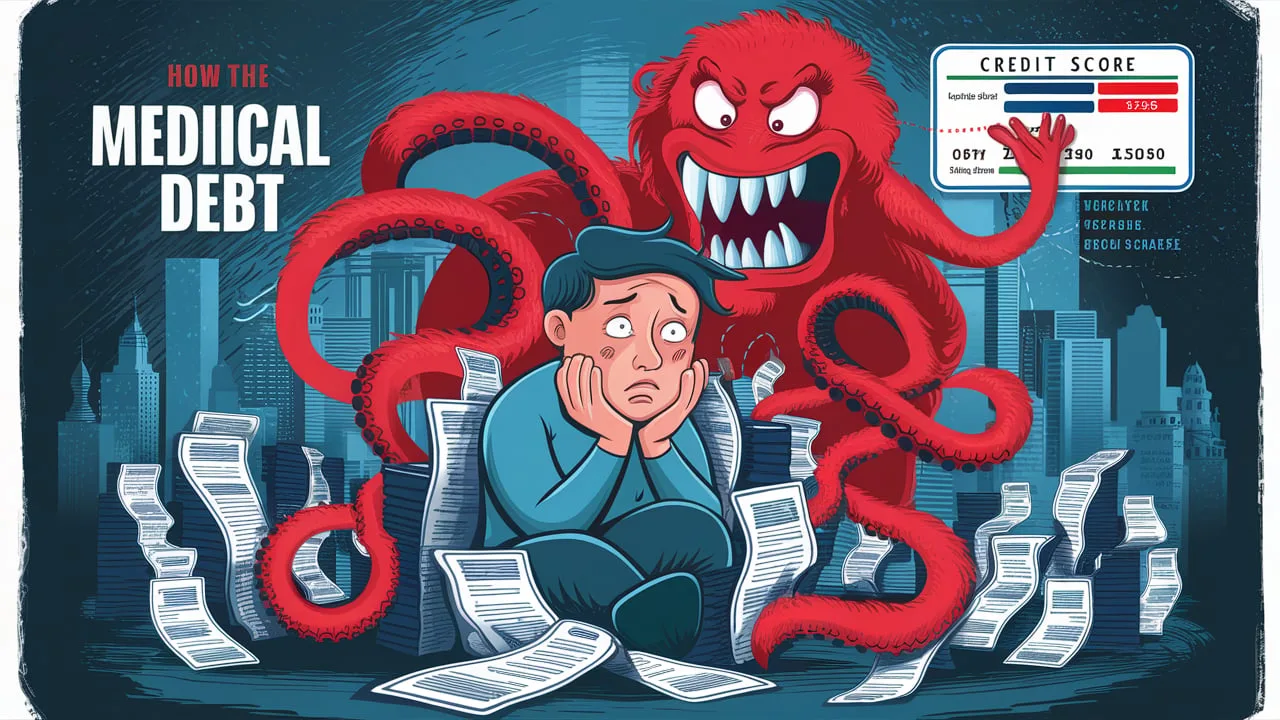
A sudden illness or unexpected medical emergency can strike anyone, often leaving individuals with substantial bills that can feel overwhelming. For many, the immediate concern is how to cover the costs, but the long-term implications for their financial health, particularly their credit score, can be just as daunting. Understanding how medical debt impacts your credit is crucial for navigating these challenging times. Historically, unpaid medical bills, even for small amounts, could be sent to collection agencies and subsequently reported to the major credit bureaus (Equifax, Experian, and TransUnion). This negative mark on your credit report could then significantly lower your credit score, making it harder to secure loans, rent an apartment, or even get a job.
The good news is that the landscape of medical debt and credit reporting has seen important changes. As of July 1, 2022, the three major credit bureaus announced they would no longer include medical debt under $500 on credit reports. Furthermore, they extended the waiting period from six months to one full year before any unpaid medical debt can appear on a credit report. This gives individuals a much longer window to address medical bills, often by working with their insurance providers or healthcare facilities, before it negatively affects their creditworthiness. Despite these positive shifts, it's vital to remember that older, unpaid medical debts that were already reported can still linger on your credit report for up to seven years from the date of delinquency, according to the Fair Credit Reporting Act (FCRA), and can continue to drag down your score.
Consider the scenario of Sarah, who had a routine procedure that unexpectedly incurred a $700 bill after insurance. She assumed her insurance had covered everything and didn't see the bill until several months later. By then, the provider had sent the debt to a collection agency. This collection account then appeared on Sarah's credit report, causing her score to drop by over 100 points. This made it difficult for her to refinance her car loan at a favorable interest rate. If Sarah had been aware of the grace period or the reporting thresholds, she might have been able to resolve the issue before it impacted her credit.
How Credit Repair Actually Works
Navigating the complexities of credit repair, especially when dealing with medical debt, can feel overwhelming. Fortunately, there are established processes designed to help consumers correct inaccuracies and remove unwarranted negative information from their credit reports. The foundation of this process lies in the Fair Credit Reporting Act (FCRA), which grants consumers the right to dispute any information on their credit reports that they believe is inaccurate or incomplete. When you engage with a credit repair service like CreditRepairinMyArea, they leverage these rights on your behalf. The process typically begins with a thorough review of your credit reports from all three major bureaus.
What to Expect During the Process
- Initial credit report analysis: The first step involves a comprehensive review of your credit reports. This typically happens within the first week of engaging a service. Experts will meticulously examine each item, looking for outdated information, errors, or items that may have been reported improperly, such as medical debts that don't meet the new reporting guidelines or are past their reporting limit. They will identify potential inaccuracies, such as incorrect balances, wrong dates of delinquency, or accounts that have already been paid or settled but are still showing as outstanding.
- Dispute letter preparation: Once potential inaccuracies are identified, the credit repair team will draft detailed dispute letters. These letters are sent to the credit bureaus and, in some cases, to the original creditors or collection agencies that reported the information. The FCRA requires that these disputes be handled promptly. This phase usually takes about 7-10 business days after the initial analysis, as the letters need to be precise and legally sound to be effective.
- Credit bureau investigation: Upon receiving a dispute, the credit bureaus are legally obligated by the FCRA to investigate the claim. This investigation typically takes between 30 to 45 days. During this period, the bureaus will contact the furnisher of the information (the original creditor or collection agency) to verify its accuracy. They will review the evidence provided by both you (or your representative) and the furnisher. If the furnisher cannot verify the information, it must be removed from your credit report.
- Results and next steps: After the investigation is complete, you will receive an updated credit report reflecting the outcome of the disputes. If negative items are removed or corrected, you'll see an improvement in your credit score. If an item is verified as accurate, the dispute may be denied, but there are further steps that can be taken. The entire process, from initial engagement to seeing significant results, can vary, but often involves multiple rounds of disputes and can take anywhere from 30 to 90 days or longer, depending on the complexity of the issues and the responsiveness of the credit bureaus and furnishers.
The success rate of credit repair efforts often depends on the specific issues present on your credit report and the diligence applied to the dispute process. While some negative items can be removed quickly, others may require persistent follow-up. It’s important to have realistic expectations; credit repair is not an overnight fix but a strategic process to correct errors and improve your financial standing over time. Factors like the age of the debt, the type of debt, and the documentation available can influence how long it takes to see positive changes.
📞 Ready to take action on your credit? Don't navigate the credit repair process alone. Call CreditRepairinMyArea at (888) 804-0104 and speak with a credit expert who can help you today.
Actionable Strategies for Impact of Medical Debt
Dealing with medical debt and its potential impact on your credit requires a proactive and informed approach. The good news is that there are several practical steps you can take to mitigate damage or even prevent it from affecting your credit score altogether. Understanding these strategies empowers you to take control of your financial situation, even when faced with unexpected healthcare costs. It’s crucial to act swiftly once you become aware of a medical bill, as delays can lead to it being sent to collections and impacting your credit.
Proven Approaches That Work
- Review Your Medical Bills Carefully: Before paying or disputing, meticulously examine every medical bill for accuracy. Check for duplicate charges, services you didn't receive, or incorrect insurance information. Even small errors can lead to legitimate disputes, and catching them early can save you from unnecessary debt and potential credit reporting issues.
- Communicate with Your Healthcare Provider and Insurer: If you find discrepancies or are struggling to understand a bill, contact the healthcare provider's billing department and your insurance company immediately. Often, issues can be resolved through clear communication. They can explain charges, re-verify insurance coverage, or potentially adjust the bill if an error is found.
- Negotiate Payment Plans or Settlements: If the debt is legitimate and you can't pay it in full, don't hesitate to negotiate. Many healthcare providers are willing to set up interest-free payment plans. You might also be able to negotiate a lower settlement amount, especially if you can pay a lump sum. Getting any agreement in writing is essential.
- Understand the New Reporting Rules: Be aware that most medical debts under $500 are no longer reported to credit bureaus. Additionally, unpaid medical debt typically has a one-year grace period before it can be reported. Knowing these timelines can give you valuable breathing room to resolve the issue.
A common mistake people make is ignoring medical bills, assuming they will go away or that insurance will handle everything. This inaction can be costly. Another pitfall is paying a collection agency without first verifying the debt and understanding your rights. Always ensure that any debt sent to collections is legitimate and that the collection agency has the right to collect it. If you've already paid a medical bill that was sent to collections, ensure you get proof of payment and then dispute its presence on your credit report with the credit bureaus. For older medical debts that are legitimately on your report and negatively impacting your score, seeking professional assistance from a reputable credit repair service can be a wise investment to ensure the process is handled correctly and efficiently according to FCRA guidelines.
Frequently Asked Questions About Impact of Medical Debt
Question 1: How long does medical debt stay on my credit report?
Generally, unpaid medical debt can remain on your credit report for up to seven years from the date of the original delinquency. However, recent changes mean that most medical debts under $500 are no longer reported, and unpaid debts have a one-year grace period before they can be reported, giving you more time to address them before they impact your credit history.
Question 2: What happens if I pay off old medical debt that’s on my credit report?
Paying off old medical debt is generally a positive step. While the debt may still appear on your report for its remaining reporting period (up to seven years from delinquency), it will be marked as paid. This is often viewed more favorably by lenders than an outstanding debt. However, it typically won't immediately remove the record of the delinquency from your report.
Question 3: Should I hire a professional credit repair company or do this myself?
Both options are viable. Doing it yourself can save money, but it requires time, patience, and a thorough understanding of credit laws like the FCRA. A professional company like CreditRepairinMyArea has the expertise and established processes to navigate disputes efficiently, potentially saving you time and improving your chances of successful removal of inaccurate information.
Question 4: Can a medical collection account be removed from my credit report?
Yes, a medical collection account can be removed if it's inaccurate, outdated, or if the collection agency cannot properly verify the debt. This includes situations where the debt was improperly reported, is past the reporting limit, or if you successfully negotiate a "pay-for-delete" agreement (though these are not guaranteed and depend on the collector).
Question 5: Will disputing medical debt negatively affect my credit score further?
No, disputing inaccurate information on your credit report is a right granted by the FCRA and will not negatively impact your credit score. The dispute process is designed to correct errors, and attempting to resolve inaccuracies is a responsible financial action.
Question 6: What if the medical debt is from a family member or someone else?
If you are not legally responsible for a medical debt, it should not appear on your credit report. If you find a medical debt that isn't yours, you should immediately dispute it with the credit bureaus, providing any evidence you have to support your claim that you are not the responsible party.
Get Professional Credit Repair Help
If you're struggling with credit issues and want professional assistance, CreditRepairinMyArea is here to help. Our experienced team understands the complexities of credit laws and can guide you through the dispute process, helping you address inaccurate negative items on your credit reports. We can assess your situation, identify potential errors, and work on your behalf to get them corrected.
Don't let bad credit hold you back from getting approved for loans, mortgages, or credit cards. Take the first step toward better credit today by working with professionals who understand the system and are dedicated to helping you achieve your financial goals. A good credit score opens doors to better financial opportunities and peace of mind.
Call CreditRepairinMyArea now at (888) 804-0104 to speak with a credit repair specialist and start your journey to healthier credit.