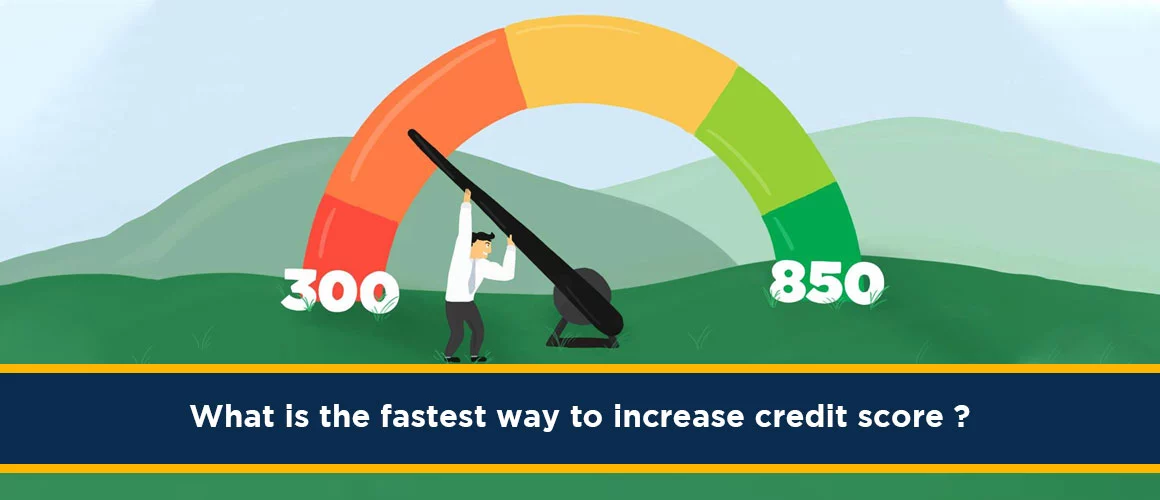
Looking for the fastest way to increase your credit score? This guide dives into proven strategies, offering actionable steps and expert insights to help you achieve a higher credit score quickly and efficiently in 2025.
Understanding Credit Scores in 2025
In the evolving financial landscape of 2025, understanding your credit score is more crucial than ever. A credit score is a three-digit number, typically ranging from 300 to 850, that represents your creditworthiness to lenders. It’s a snapshot of your financial behavior, indicating how likely you are to repay borrowed money. Lenders, landlords, insurers, and even some employers use this score to make decisions about extending credit, offering services, or hiring you. A higher score signifies lower risk, leading to better interest rates on loans, easier approval for credit cards, and more favorable terms on mortgages and auto loans. Conversely, a low score can result in higher costs, denied applications, and limited financial opportunities.
The most widely used credit scoring models are FICO and VantageScore. While both consider similar factors, their weighting and specific algorithms can differ slightly. For 2025, these models continue to emphasize key components that directly reflect your financial responsibility. Understanding these components is the first step toward improving your score, especially when aiming for rapid gains. The primary factors influencing your credit score, according to current industry standards for 2025, are:
- Payment History (35%): This is the most significant factor. It reflects whether you pay your bills on time. Late payments, missed payments, and defaults can severely damage your score.
- Amounts Owed (30%): This refers to your credit utilization ratio – the amount of credit you're using compared to your total available credit. Keeping this ratio low is vital.
- Length of Credit History (15%): The longer you've had credit accounts open and in good standing, the better. This shows a history of responsible credit management over time.
- Credit Mix (10%): Having a variety of credit types (e.g., credit cards, installment loans like mortgages or auto loans) can be beneficial, demonstrating your ability to manage different forms of credit.
- New Credit (10%): Opening multiple new credit accounts in a short period can negatively impact your score, as it may indicate higher risk.
The pursuit of the "fastest way to increase credit score" often hinges on strategically addressing the most impactful factors. While some elements, like the length of your credit history, are difficult to change quickly, others offer significant potential for rapid improvement. In 2025, the focus remains on demonstrating consistent, responsible financial behavior, particularly through timely payments and judicious use of credit. This guide will break down how to leverage these factors for the quickest, most sustainable score increases.
The Fastest Pathways to Improvement
When the goal is to increase your credit score as rapidly as possible, not all credit-building strategies are created equal. Some actions yield more immediate results than others. The fastest pathways typically involve directly influencing the most heavily weighted components of your credit score: payment history and credit utilization. While establishing a long credit history or diversifying your credit mix are important for long-term credit health, they are not quick fixes. For immediate impact, focus your efforts on these two critical areas. Understanding the nuances of each is key to unlocking rapid score increases.
The following sections will detail how to optimize these areas. We will explore specific tactics that can lead to noticeable score improvements within weeks or months, rather than years. The objective is to implement actions that lenders and credit bureaus can see and value quickly. This means demonstrating a change in behavior that directly signals lower risk. For instance, bringing delinquent accounts current will have a more immediate positive effect than opening a new, small credit account. Similarly, reducing high credit card balances can show a significant improvement in your credit utilization ratio almost instantly once reported to the credit bureaus.
It's important to approach credit score improvement with a clear understanding of what drives the numbers. The fastest methods are those that address the most influential metrics. This guide is designed to equip you with that knowledge, providing a clear roadmap to navigate the complexities of credit scoring and achieve your desired results efficiently. We will cover both proactive strategies and reactive measures to correct past mistakes, all with the aim of accelerating your credit score growth.
Payment History: The Undisputed King
As mentioned, payment history accounts for approximately 35% of your credit score, making it the single most influential factor. This is why the absolute fastest way to increase your credit score, or at least prevent it from dropping, is to ensure every single payment you make is on time. Even a single late payment, especially if it's more than 30 days past due, can significantly damage your score and take a considerable amount of time to recover from. For 2025, the emphasis on consistent, on-time payments remains paramount for lenders assessing risk.
What Constitutes a Late Payment?
A payment is typically considered late if it is not received by the due date. However, most credit card companies and lenders offer a grace period, often around 15 days, after the due date before they report a payment as late to the credit bureaus. This means if you pay within that 15-day window, it generally won't be marked as late on your credit report. However, relying on this grace period is not a recommended strategy for rapid score improvement; it's a safety net. The goal should always be to pay on or before the due date.
Strategies for Ensuring On-Time Payments:
For those looking to boost their score quickly, establishing a robust system for on-time payments is non-negotiable. Here are several effective strategies:
- Automatic Payments: Set up automatic payments for all your bills. This is arguably the most effective way to ensure you never miss a due date. You can typically set up automatic payments through your bank or directly with the creditor. Ensure you have sufficient funds in your account to cover the payments to avoid overdraft fees and bounced payments, which can also negatively impact your score.
- Calendar Reminders: If automatic payments aren't feasible or you prefer more control, use your digital calendar or a physical planner to set multiple reminders a few days before each bill is due.
- Payment Apps and Alerts: Many financial apps and banking services offer payment reminders and alerts. Utilize these tools to stay on top of your due dates.
- Consolidate Due Dates: If possible, try to align your bill due dates to fall around the same time each month. This can simplify your payment management process.
Dealing with Past Due Accounts:
If you currently have past-due accounts, addressing them immediately is crucial for any rapid credit score increase. The fastest way to mitigate the damage from a late payment is to bring the account current as soon as possible. The negative impact of a late payment decreases over time, but bringing the account up-to-date stops further damage and signals to lenders that you are taking steps to rectify the situation.
Negotiating with Creditors:
In some situations, especially if you've had a good payment history with a creditor in the past, you might be able to negotiate to have a late payment removed from your report. This is often referred to as a "goodwill adjustment" or "pay for delete" (though the latter is less common and not always ethical or effective). Contacting the creditor directly, explaining your situation, and requesting leniency can sometimes yield positive results. This is more likely to be successful if the late payment was a one-off occurrence and you have a strong overall credit history.
Example: Sarah had a credit score of 620. She missed a credit card payment by 40 days. Her score dropped to 580. She immediately paid the overdue amount and contacted the credit card company. While they didn't remove the late payment, she set up automatic payments and has paid on time for the next six months. Her score has since climbed back to 610, demonstrating that consistent on-time payments are key to recovery.
Current 2025 Stat: According to recent analyses, accounts with at least one 30-day late payment can see a score drop of 60-80 points, while a 60-day late payment can result in a 90-110 point decrease. Recovering from these requires consistent positive behavior over many months.
By prioritizing on-time payments, you are directly addressing the most significant factor influencing your credit score. This foundational step is essential for any rapid improvement strategy. It’s not just about avoiding negative marks; it’s about building a positive track record that lenders can rely on.
Credit Utilization: Your Secret Weapon
The second most influential factor in your credit score, accounting for about 30%, is your credit utilization ratio (CUR). This metric measures how much of your available revolving credit you are currently using. For example, if you have a credit card with a $10,000 limit and you owe $3,000 on it, your CUR for that card is 30%. The total CUR is calculated by summing up the balances on all your revolving credit accounts and dividing by the sum of their credit limits.
Why is Low Credit Utilization Important?
A high credit utilization ratio signals to lenders that you might be overextended and relying heavily on credit, which increases the risk of default. Conversely, a low CUR suggests that you are managing your credit responsibly and have ample available credit, making you a less risky borrower. In 2025, maintaining a low CUR is one of the most effective and fastest ways to boost your credit score.
The Ideal Credit Utilization Ratio:
While there's no single magic number, experts generally recommend keeping your overall credit utilization below 30%. However, for the fastest and most significant score increases, aiming for below 10% is even better. Many individuals see substantial score jumps when their utilization drops from 30% to under 10%.
Strategies for Rapidly Reducing Credit Utilization:
Here are actionable steps to quickly lower your CUR and positively impact your score:
- Pay Down Balances: The most direct way to lower your CUR is to pay down the outstanding balances on your credit cards. Focus on paying more than the minimum payment, especially on cards with the highest utilization. Paying down balances before the statement closing date is crucial, as this is the balance that is typically reported to the credit bureaus.
- Make Multiple Payments: If you can't pay off the entire balance before the statement closing date, consider making multiple payments throughout the billing cycle. For instance, if your statement closes on the 20th, you could make a payment on the 5th, another on the 15th, and a final one before the 20th. This can help lower the reported balance.
- Request a Credit Limit Increase: If you have a good payment history with a particular credit card issuer, you can request a credit limit increase. If approved, this will instantly lower your CUR, assuming your balance remains the same. For example, if you owe $3,000 on a card with a $5,000 limit (60% utilization), and you get a limit increase to $10,000, your utilization drops to 30%. Be aware that some issuers may perform a hard inquiry for a credit limit increase, which can slightly impact your score temporarily.
- Strategic Balance Transfers: While not always a quick fix due to potential fees and the time it takes for the transfer to process, a balance transfer to a card with a 0% introductory APR can give you breathing room to pay down debt without incurring interest. However, ensure you have a plan to pay off the balance before the introductory period ends, and be mindful of the utilization on the new card.
- Avoid Maxing Out Cards: Never let your credit card balances get close to their limits. This is a major red flag for lenders.
Example: David had a credit score of 650. He had two credit cards: Card A with a $5,000 limit and a $4,000 balance (80% utilization), and Card B with a $3,000 limit and a $2,000 balance (66.7% utilization). His total credit limit was $8,000, and his total balance was $6,000, resulting in an overall utilization of 75%. He focused on paying down Card A aggressively. Within two months, he reduced the balance to $1,000. His overall utilization dropped to (1000+2000)/8000 = 37.5%. His credit score jumped to 705.
Current 2025 Stat: Credit Karma reported in late 2024 that individuals with credit scores above 700 typically maintain a credit utilization ratio below 30%, with many below 10%. A significant drop in utilization can often lead to score increases of 20-50 points or more within one to two billing cycles.
By actively managing and reducing your credit utilization ratio, you send a strong positive signal to credit bureaus and lenders. This is a powerful lever for quickly improving your credit score. Remember to monitor your reported balances after your statement closing dates to ensure your efforts are reflected accurately.
Credit Age and Mix: Long-Term Plays
While payment history and credit utilization offer the most immediate impact on your credit score, the length of your credit history (15% of your score) and your credit mix (10% of your score) are also important factors. However, these are generally considered long-term plays and are not the "fastest" ways to increase your score. Understanding them is crucial for holistic credit health, but they should not be the primary focus if rapid improvement is your goal.
Length of Credit History:
This factor considers the age of your oldest credit account, the age of your newest credit account, and the average age of all your accounts. A longer credit history generally indicates more experience managing credit, which is viewed favorably by lenders. The longer your accounts have been open and in good standing, the more positive data points there are for credit bureaus to analyze.
How to Influence This (Slowly):
- Keep Old Accounts Open: Even if you don't use an old credit card often, keeping it open (as long as it has no annual fee and no negative activity) can help maintain the average age of your accounts. Closing old accounts can shorten your average credit history and potentially increase your credit utilization if it was a card with a high limit.
- Avoid Closing Accounts Unnecessarily: Resist the urge to close credit accounts simply because you no longer use them, especially if they are your oldest accounts.
Credit Mix:
This factor looks at the variety of credit accounts you have. Lenders like to see that you can manage different types of credit responsibly. Common types include:
- Revolving Credit: Credit cards, lines of credit.
- Installment Credit: Mortgages, auto loans, student loans, personal loans.
Having a mix of both revolving and installment credit can be beneficial. However, it's important not to open new accounts solely for the purpose of diversifying your credit mix if you don't need them, as this can lead to hard inquiries and a decrease in the average age of your accounts.
How to Influence This (Carefully):
- Diversify Naturally: The best way to achieve a good credit mix is to naturally acquire different types of credit as needed for major purchases (e.g., a mortgage for a home, an auto loan for a car).
- Avoid Unnecessary New Accounts: Do not open new credit accounts, especially if you don't need them, just to improve your credit mix. The potential negative impact of hard inquiries and a younger average account age often outweighs the benefits of a slightly better mix.
Why These Are Not "Fast" Strategies:
The length of your credit history grows over time, and you can't artificially age accounts. Similarly, while you can open new types of credit, doing so incurs hard inquiries and lowers your average account age, which can temporarily hurt your score. Therefore, for rapid credit score increases, focusing on payment history and credit utilization is far more effective. These long-term factors contribute to your score's stability and overall health over time but are not the drivers of quick gains.
Example: Maria has only ever had credit cards. Her average credit history is 5 years. Her score is 680. She needs a car loan. She applies for and gets approved for an auto loan. Her credit mix improves, and her average account age slightly decreases. While the auto loan itself will help build her credit history over time, the immediate impact on her score might be neutral or slightly negative due to the inquiry. However, making on-time payments on the auto loan will contribute positively to her payment history, which is a faster-acting factor.
Current 2025 Stat: FICO data consistently shows that individuals with a mix of credit types tend to have higher scores, but the difference is often less pronounced than the impact of payment history and utilization. For instance, the average FICO score for those with a mix of credit types might be 70-100 points higher than those with only one type, but this difference accrues over many years.
While you can't speed up the aging of your credit or instantly create a diverse credit mix, understanding their role helps in making informed long-term financial decisions. For immediate results, however, your attention should remain firmly on your payment habits and credit utilization.
Strategies for Rapid Score Boosts
Beyond the foundational elements of payment history and credit utilization, several specific strategies can lead to more rapid credit score increases in 2025. These methods are designed to address specific issues or leverage existing positive credit behaviors for maximum impact. They often involve proactive steps or correcting common errors that drag down scores.
1. Dispute Errors on Your Credit Report:
Mistakes on your credit report are more common than you might think. Incorrect late payments, accounts that aren't yours, or inaccurate balance information can all negatively affect your score. The Fair Credit Reporting Act (FCRA) gives you the right to dispute any inaccurate information on your credit reports. For 2025, the process is streamlined through online portals provided by the three major credit bureaus (Equifax, Experian, and TransUnion).
How to Do It:
- Obtain your free credit reports from AnnualCreditReport.com.
- Review each report carefully for any discrepancies.
- File a dispute online with the relevant credit bureau for each inaccurate item.
- Provide any supporting documentation you have.
- The credit bureaus have 30 days (or 45 days in some cases) to investigate your dispute. If the information is found to be inaccurate, it must be corrected or removed.
Impact: Removing negative inaccuracies can lead to a significant and rapid score increase, sometimes by dozens of points, depending on the severity of the error.
2. Become an Authorized User:
If you have a trusted friend or family member with excellent credit history, they can add you as an authorized user to one of their credit cards. When they add you, the history of that account (including its age, credit limit, and payment history) can be added to your credit report. If the primary cardholder has a long history of on-time payments and low utilization on that card, it can positively impact your score.
Considerations:
- Ensure the primary cardholder's account is in excellent standing. A single late payment or high utilization on their account can negatively affect you.
- Some newer scoring models (like FICO 9 and VantageScore 3.0 and later) may give less weight to authorized user accounts, or may only consider the primary user's history if the authorized user's own credit is poor. However, it can still be a viable strategy for many.
Impact: This can provide an instant boost if the account is old and has a low utilization, effectively adding a positive, seasoned account to your report.
3. Credit-Builder Loans and Secured Credit Cards:
These tools are specifically designed for individuals with no credit history or those looking to rebuild damaged credit. They are excellent for establishing or re-establishing positive credit behavior.
Credit-Builder Loans:
- You make payments on a loan that is held in an account by the lender.
- Once you've paid off the loan, the lender releases the funds to you.
- Your on-time payments are reported to the credit bureaus, helping to build your credit history.
Secured Credit Cards:
- You provide a cash deposit, which becomes your credit limit.
- You use the card like a regular credit card, making purchases and payments.
- Your payment history and utilization are reported to the credit bureaus.
- After a period of responsible use, you may be able to graduate to an unsecured card and get your deposit back.
Impact: While these are not instant fixes, they are highly effective for building a positive credit file. Consistent on-time payments on these accounts can lead to noticeable score increases within 3-6 months.
4. Rent and Utility Reporting Services:
In recent years, services have emerged that allow you to report your rent and utility payments to credit bureaus. While these payments have historically not been factored into traditional credit scores, some newer scoring models and specific reporting services can now incorporate them.
How it Works:
- You sign up with a service (e.g., Experian Boost, UltraFICO, Rental Kharma).
- You provide proof of your rent and/or utility payments.
- The service reports this positive payment data to one or more credit bureaus.
Impact: Experian Boost, for example, can potentially increase your FICO score by adding positive payment history for utilities, phone bills, and streaming services. The impact varies, but for some, it can provide a quick boost.
Example: Alex had a score of 590 due to a thin credit file. He became an authorized user on his mother's 10-year-old credit card with a $20,000 limit and a $1,000 balance. His credit report immediately showed this account, increasing his average credit history length and significantly lowering his overall credit utilization. Within two months, his score jumped to 645.
Current 2025 Stat: Experian Boost has been shown to help millions of consumers improve their FICO scores, with an average increase of 14 points for those who qualify. The effectiveness of authorized user accounts varies, but for those with very limited credit, it can be a significant accelerator.
These strategies, when implemented correctly, can provide the quickest and most substantial boosts to your credit score. They often involve correcting past issues or leveraging existing positive credit factors.
Building Credit from Scratch or Rebuilding
For individuals with no credit history (often called "credit invisibles") or those with damaged credit who need to rebuild, the journey to a good credit score requires a strategic approach. The "fastest" way in these scenarios means establishing a positive credit footprint as efficiently as possible. The core principle remains the same: demonstrate responsible financial behavior over time.
For Those with No Credit History (Credit Invisibles):
The challenge here is a lack of data. Lenders can't assess your risk because there's no history to analyze. The fastest way to overcome this is to start creating that history with tools designed for this purpose.
1. Secured Credit Cards:
As mentioned earlier, secured credit cards are excellent for building credit from scratch. The security deposit mitigates risk for the lender, making approval easier. By using the card for small, everyday purchases and paying the balance in full and on time each month, you build a positive payment history.
2. Credit-Builder Loans:
These loans are specifically designed to help people establish credit. The money you pay is held in an escrow account, and your payments are reported to the credit bureaus. This is a safe way to build credit without taking on actual debt that you need to spend.
3. Become an Authorized User (with Caution):
If you have a trusted family member with excellent credit, becoming an authorized user can be a quick way to get a positive account on your report. However, ensure the primary user is responsible, as their actions will impact your credit.
4. Rent and Utility Reporting:
Services like Experian Boost can help by adding your consistent rent and utility payments to your credit file, which can be particularly helpful when you have no other credit accounts.
Timeline for Building: It typically takes 6-12 months of consistent, positive activity (on-time payments, low utilization) on secured cards or credit-builder loans to start seeing a significant improvement in your credit score from zero.
For Those Rebuilding Damaged Credit:
Rebuilding credit involves addressing past negative marks and establishing new positive ones. The focus is on demonstrating that you have changed your financial habits.
1. Address Negative Marks:
- Pay Off Collections: If you have accounts in collections, negotiate a payment plan or settle the debt. While paying off a collection account may not always remove it from your report, it stops further negative reporting and shows creditors you are addressing your obligations. Some negotiation tactics might involve "pay for delete," where the collection agency agrees to remove the item from your report in exchange for payment, but this is not guaranteed.
- Bring Delinquent Accounts Current: If you have accounts that are currently past due, pay them immediately. The negative impact of a late payment diminishes over time, but bringing the account current stops further damage.
- Dispute Inaccuracies: As mentioned earlier, thoroughly review your credit reports for any errors and dispute them immediately. Removing incorrect negative information is a fast way to improve your score.
2. Establish New Positive Credit:
- Secured Credit Cards: These are often the best option for rebuilding. Use them responsibly by keeping utilization low and making all payments on time.
- Credit-Builder Loans: Similar to building from scratch, these can help establish a positive payment history.
- Carefully Consider Unsecured Cards: Once you've shown some improvement, you might qualify for unsecured cards with higher limits. Use these strategically and avoid overspending.
3. Be Patient and Consistent:
Rebuilding credit takes time. Negative marks can stay on your report for up to seven years (though their impact lessens over time). However, by consistently practicing good credit habits, you can see your score improve significantly within 1-2 years.
Example: Maria had a score of 520 due to several late payments and a high credit utilization. She obtained a secured credit card with a $500 limit and used it for gas and groceries, always paying the balance in full before the due date. She also paid off a small collection account. After 12 months of consistent on-time payments and low utilization on her secured card, her score rose to 630.
Current 2025 Stat: According to the Consumer Financial Protection Bureau (CFPB), it can take anywhere from 6 months to 2 years of consistent positive credit activity to see a substantial improvement in a credit score for those rebuilding.
Whether you're starting from zero or rebuilding from a low point, the key is to implement strategies that create a positive credit history. Patience, consistency, and a focus on the core credit score factors are essential for both building and rebuilding credit effectively.
Monitoring Your Progress
Actively monitoring your credit score and reports is not just a good practice; it's an essential component of any rapid credit improvement strategy. Without tracking your progress, you won't know if your efforts are yielding results or if you need to adjust your approach. In 2025, accessing your credit information is easier and more accessible than ever before.
Why Monitor Your Credit?
- Track Score Changes: See how specific actions (like paying down debt or disputing an error) impact your score in near real-time.
- Detect Fraud: Regularly checking your credit reports can help you spot fraudulent activity or identity theft early, allowing you to take immediate action.
- Identify Errors: As discussed, errors can significantly harm your score. Monitoring helps you catch them quickly so you can dispute them.
- Stay Motivated: Seeing your score increase can be a powerful motivator to continue with your positive financial habits.
How to Monitor Your Credit in 2025:
There are several ways to keep tabs on your credit health:
- Free Credit Reports: You are entitled to one free credit report from each of the three major credit bureaus (Equifax, Experian, and TransUnion) every 12 months via AnnualCreditReport.com. Due to ongoing economic conditions, many providers are offering more frequent free access, so check this site regularly.
- credit monitoring Services: Many credit card companies and financial institutions offer free credit score monitoring as a benefit to their customers. These services often provide access to your FICO or VantageScore score and a summary of the factors affecting it. Examples include services from Chase, Discover, American Express, and many others.
- Third-Party Credit Monitoring Apps: Numerous apps and websites (e.g., Credit Karma, Credit Sesame, NerdWallet) offer free access to your credit scores and reports. While these are convenient, be aware that they often use VantageScore and may not always reflect the exact score lenders use. However, they are excellent for tracking trends and identifying potential issues.
- Paid Credit Monitoring Services: For a fee, these services offer more comprehensive monitoring, including real-time alerts for changes to your credit report, identity theft insurance, and sometimes access to all three credit reports.
What to Look For When Monitoring:
- Your Credit Score: Note any significant increases or decreases.
- Credit Utilization Ratio: Ensure it's trending downwards, especially on your revolving accounts.
- Payment History: Confirm that all payments are being reported as on time.
- New Accounts/Inquiries: Be aware of any new accounts opened in your name or hard inquiries you didn't authorize.
- Public Records: Check for any unexpected bankruptcies, liens, or judgments.
- Personal Information: Verify that your name, address, and Social Security number are accurate.
Example: Sarah started using a free credit monitoring service from her bank. After paying down a significant credit card balance, she saw her credit utilization drop from 45% to 20%. Within two weeks, her credit score increased by 35 points. This positive reinforcement encouraged her to continue her debt reduction efforts.
Current 2025 Stat: A 2024 study indicated that consumers who actively monitor their credit scores are more likely to achieve higher scores and are better protected against identity theft. The study found that those who checked their credit reports at least twice a year saw an average score improvement of 20 points compared to those who checked only once.
Regular monitoring is your compass in the credit improvement journey. It allows you to celebrate successes, identify areas needing more attention, and ensure your credit reports accurately reflect your financial behavior.
Common Pitfalls to Avoid
While pursuing the fastest way to increase your credit score, it's easy to fall into common traps that can hinder your progress or even damage your credit further. Being aware of these pitfalls can save you time, money, and credit score points.
1. Closing Old Credit Card Accounts:
As mentioned, closing old accounts, especially those with a long positive history, can negatively impact your credit score. It shortens your average credit history length and can increase your credit utilization ratio if it was a card with a high limit. Unless there's a compelling reason like a high annual fee you can't justify, it's generally best to keep old, well-managed accounts open.
2. Opening Too Many New Accounts at Once:
While opening new credit can be part of a strategy, doing so too frequently or in quick succession can harm your score. Each application for credit typically results in a hard inquiry, which can temporarily lower your score by a few points. A pattern of multiple inquiries in a short period can signal to lenders that you are a higher risk.
3. Missing Payments or Paying Late:
This is the most significant pitfall. Even one late payment can significantly drop your score and take months or years to recover from. Always prioritize making payments on time, or even early. Setting up automatic payments is a highly effective way to avoid this.
4. Maxing Out Credit Cards:
High credit utilization is a major score killer. If you consistently carry balances close to your credit limits, lenders will view you as a higher risk. Aim to keep your utilization below 30%, and ideally below 10%, on all your credit cards.
5. Relying Solely on credit repair companies:
Be wary of companies that promise quick fixes or guaranteed results for credit repair. Many of these services charge high fees for actions you can legally do yourself for free, such as disputing errors on your credit report. While some legitimate credit counseling agencies can help, always do your research and understand what they can and cannot do.
6. Co-signing Loans for Others:
Co-signing a loan means you are legally responsible for the debt if the primary borrower defaults. If the borrower misses payments, it will negatively impact your credit score just as if it were your own debt. Only co-sign if you are fully prepared to take on the financial responsibility.
7. Not Checking Your Credit Reports Regularly:
Ignoring your credit reports means you won't catch errors, fraudulent activity, or understand how your actions are affecting your score. Regular monitoring is crucial for timely intervention and informed decision-making.
8. Applying for Credit You Don't Need:
Resist the temptation to apply for every new credit card offer you receive. Each application can lead to a hard inquiry, and accumulating too much credit without a need can be seen as risky behavior by lenders.
Example: John wanted to quickly increase his score. He applied for three new credit cards in one month to increase his available credit. This resulted in three hard inquiries, and his score dropped by 15 points. He also closed two of his older credit cards to "simplify" his finances, which reduced his average credit history and increased his utilization on remaining cards. His score actually decreased.
Current 2025 Stat: According to the National Foundation for Credit Counseling (NFCC), a significant percentage of consumers report errors on their credit reports, highlighting the importance of regular checks. Avoiding these common pitfalls is as important as implementing positive strategies when aiming for rapid credit score improvement.
By understanding and actively avoiding these common mistakes, you can ensure that your efforts to increase your credit score are effective and that you don't inadvertently set yourself back.
Conclusion: Your Fast-Track to Credit Health
The quest for the fastest way to increase your credit score in 2025 is achievable by focusing on the most impactful factors: payment history and credit utilization. Consistent, on-time payments are the bedrock of a good score, preventing damage and building a reliable financial record. Simultaneously, aggressively managing and lowering your credit utilization ratio—aiming for below 10%—can yield dramatic score increases in a short period. These two strategies, implemented diligently, offer the most direct and rapid path to a higher credit score.
While other factors like credit age and mix are important for long-term credit health, they are not quick fixes. For immediate gains, prioritize addressing any past-due accounts, disputing inaccuracies on your credit reports, and potentially leveraging tools like authorized user status or rent reporting services if applicable. For those starting from scratch or rebuilding, secured credit cards and credit-builder loans are your most effective accelerators.
Remember that progress requires consistent effort and vigilant monitoring. Regularly checking your credit reports and scores allows you to track your improvements, identify any emerging issues, and stay motivated. Avoid common pitfalls like closing old accounts unnecessarily or opening too many new ones at once, as these can counteract your efforts.
By adopting a strategic, focused approach centered on responsible credit management, you can significantly enhance your credit score. This journey is not just about numbers; it's about building a strong financial foundation that opens doors to better opportunities, lower borrowing costs, and greater financial freedom. Start implementing these proven strategies today and take control of your credit future.