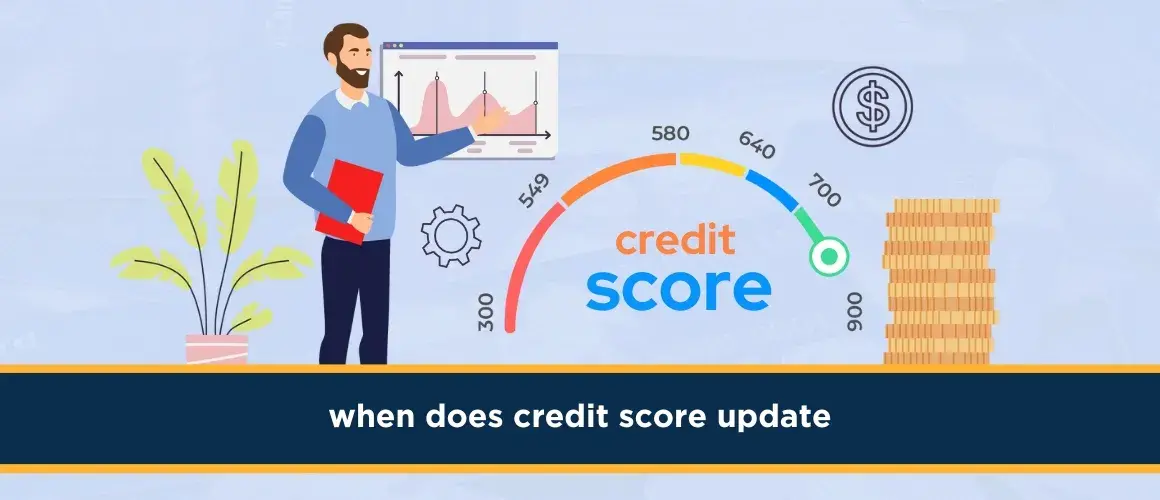
Understanding when your credit score updates is crucial for financial health. This guide clarifies the refresh cycles of credit bureaus and lenders, empowering you to track your score accurately and make informed financial decisions. Discover the exact timelines and factors influencing your credit score's dynamic nature.
Understanding Credit Score Updates
Your credit score is a dynamic three-digit number that lenders use to assess your creditworthiness. It's not a static figure but rather a reflection of your financial behavior over time. Understanding precisely when and how this score updates is paramount for anyone looking to improve their financial standing, secure loans, or obtain favorable interest rates. This comprehensive guide will demystify the complex world of credit score updates, providing you with the knowledge to effectively manage and monitor your credit health. We'll delve into the reporting cycles of credit bureaus, the impact of various financial activities, and the typical timelines for these changes to manifest in your score.
The Credit Reporting Cycle Explained
The foundation of your credit score lies in the information reported by lenders and creditors to the three major credit bureaus: Equifax, Experian, and TransUnion. These bureaus collect and compile this data into your credit report, which is then used to generate your credit score. The reporting process isn't instantaneous; it follows a cyclical pattern that dictates when changes in your financial behavior are reflected.
How Often Do Credit Bureaus Update Information?
Credit bureaus themselves do not directly update your information; they receive updates from the entities that extend you credit. However, the bureaus process this incoming data regularly. Generally, credit bureaus receive updates from lenders on a monthly basis. This means that information about your accounts—payments made, balances, credit limits, etc.—is typically submitted to the bureaus once a month. While the bureaus process this data promptly, it doesn't mean your score updates immediately upon a transaction. The exact timing depends on when your specific creditor reports to the bureaus and when the bureaus then re-calculate scores based on the new data.
For instance, if you make a payment on your credit card on the 5th of the month, and your credit card company reports to the bureaus on the 25th of the month, that payment information won't be reflected in your credit report until after the 25th. Some creditors might report more frequently, but monthly reporting is the most common standard across the industry. This monthly cadence is a critical factor in understanding the lag between your actions and their appearance on your credit report.
The Role of Lenders and Creditors
Lenders and creditors are the primary source of information for your credit report. This includes banks, credit card companies, mortgage lenders, auto loan providers, and even some utility and telecom companies. They report your payment history, outstanding balances, credit limits, and the age of your accounts to the credit bureaus. The frequency with which they report can vary, but most report to all three major bureaus monthly. This monthly reporting is often tied to the statement closing date of your accounts. For example, your credit card statement might close on the 20th of the month, and that's when the issuer compiles the data to send to the credit bureaus.
It's important to note that not all creditors report to all three bureaus. Some may only report to one or two. This can lead to slight variations in your credit reports from different bureaus, and consequently, potentially different credit scores. If a creditor doesn't report to a bureau, then any activity with that creditor will not affect your credit score as calculated by that specific bureau.
Different Types of Credit Accounts and Their Reporting Frequency
The type of credit account you have can also influence reporting frequency and how it impacts your score. Here's a general breakdown:
- Credit Cards: Typically report monthly, usually around the statement closing date. This is a key area where credit utilization is monitored, and changes can significantly affect your score.
- Mortgages and Auto Loans: These installment loans also generally report monthly. Payments made on these loans are crucial for demonstrating consistent repayment behavior.
- Personal Loans and Student Loans: Similar to mortgages and auto loans, these usually report monthly.
- Store Credit Cards: These often behave like regular credit cards and report monthly.
- Rent and Utility Payments: While not traditionally reported, some services now allow you to report rent and utility payments to credit bureaus. These might report on a monthly basis if you opt into such a service.
The consistency of reporting is vital. If a creditor misses a reporting cycle, it can create a gap in your credit history, potentially affecting your score. Conversely, a creditor might report a correction or an update outside of the regular cycle, though this is less common.
When Your Credit Score Actually Changes
Your credit score doesn't update daily. Instead, it changes when new information is added to your credit report that alters the data points used in the scoring model. These changes are usually triggered by specific financial activities. Understanding these triggers is key to managing your score proactively.
Impact of Payment History
Payment history is the most significant factor influencing your credit score, accounting for approximately 35% of the FICO score. When you make a payment, its status (on-time, late, missed) is reported to the credit bureaus.
- On-time payments: These are positive and build your credit history. They are reported to the bureaus monthly. While an on-time payment itself doesn't instantly boost your score, it prevents negative marks and contributes to a positive credit history over time.
- Late payments: A late payment, especially if it's 30 days or more past due, can significantly lower your score. This negative information typically appears on your credit report within 30 days of the delinquency and can remain for up to seven years. The impact is immediate and substantial.
- Missed payments (90+ days): These are extremely damaging and will drastically reduce your score.
The reporting of a late payment usually occurs on the next scheduled reporting date after the delinquency is recorded by the lender. So, if your payment was due on the 15th and you pay on the 20th (making it 30 days late), the lender might report this to the bureaus around their next reporting date, which could be anywhere from a few days to a few weeks later.
Credit Utilization Ratios and Their Effect
Credit utilization, which is the amount of credit you're using compared to your total available credit, accounts for about 30% of your FICO score. This metric is particularly dynamic and can influence your score relatively quickly.
- High Utilization: If you carry high balances on your credit cards, your utilization ratio increases, potentially lowering your score. For example, if you have a credit card with a $10,000 limit and a $5,000 balance, your utilization is 50%.
- Low Utilization: Keeping your utilization low (ideally below 30%, and even better below 10%) is beneficial.
Your credit utilization is calculated based on the balance reported by your creditors to the bureaus. Since creditors typically report monthly, a significant change in your credit card balance (e.g., paying down a large balance or making a large purchase) will be reflected in your score when that new balance is reported. This usually happens on the next reporting cycle. If you pay down your balance before the statement closing date, your reported utilization will be lower, potentially leading to a score increase in the subsequent reporting period.
New Credit Applications and Inquiries
When you apply for new credit, lenders often perform a "hard inquiry" on your credit report. Each hard inquiry can slightly lower your score by a few points. While the impact of a single inquiry is usually minimal, multiple inquiries in a short period can signal to lenders that you might be a higher risk.
- Hard Inquiries: These are typically recorded on your credit report immediately after the lender pulls your credit. However, their impact on your score is often calculated during the next scoring cycle. Most scoring models consider hard inquiries for the past 12 months, though they typically only affect your score for the first 12 months of their presence on your report (they remain on the report for 24 months).
- Soft Inquiries: These occur when you check your own credit or when a company checks your credit for pre-approved offers. They do not affect your credit score.
The effect of a hard inquiry on your score is usually seen in the next reporting cycle after the inquiry is added to your report.
Changes in Credit Limits
An increase in your credit limit can positively impact your credit utilization ratio, even if your spending remains the same. For example, if your credit card limit increases from $10,000 to $15,000, and your balance remains $5,000, your utilization drops from 50% to 33.3%. This can lead to a score increase.
Conversely, a decrease in your credit limit can worsen your utilization ratio if you carry balances, potentially lowering your score. These changes are reported by the creditor to the bureaus on their next reporting date.
Account Closures and Their Implications
Closing a credit account can affect your credit score in several ways:
- Credit Utilization: If you close a card with a zero balance, it reduces your total available credit, which can increase your overall credit utilization ratio. If you close a card with a balance, you'll need to pay it off, which is positive, but the reduced available credit still applies.
- Average Age of Accounts: Closing an older account can lower the average age of your accounts, which is another factor in credit scoring.
The closure of an account is reported to the bureaus by the creditor. The impact on your score will be seen once this information is processed and reflected in your credit report.
Public Records and Their Delayed Impact
Public records, such as bankruptcies, liens, and judgments, can severely damage your credit score. These are typically reported to credit bureaus by government entities or courts. While the event itself is public knowledge, its inclusion on your credit report and subsequent impact on your score might not be immediate. It depends on the reporting agency's process and the credit bureau's data aggregation.
Bankruptcies can remain on your credit report for 7 to 10 years, and judgments can stay for a similar period, depending on state laws. Their impact is profound and long-lasting.
How Long Does It Take for a Credit Score to Reflect Changes?
The timeline for your credit score to reflect changes is not immediate. It's a process that involves multiple steps and players.
Immediate vs. Delayed Updates
Some changes might feel immediate, but in terms of your official credit score, most updates are delayed:
- Immediate (Perceived): When you check your score through a credit monitoring service that provides real-time updates based on your most recent credit report data, it might seem immediate. However, this is often a snapshot of the current report, not necessarily the score calculated with the very latest transaction.
- Delayed (Actual): The actual score calculation by scoring models (like FICO or VantageScore) happens when the credit bureaus update your report with new information from creditors. This typically occurs on a monthly cycle. So, a change you made today might not be reflected in your score for anywhere from a few days to over a month, depending on your creditor's reporting schedule and the bureau's processing time.
For example, paying down a credit card balance to reduce utilization is a positive action. If your statement closing date is the 25th, and you pay down the balance before then, the lower balance will be reported on the 25th. Your credit score will then be recalculated based on this updated information, and you'll likely see the positive impact in the following 1-2 weeks, depending on when you check your score and which scoring model is used.
Factors Influencing Update Speed
Several factors influence how quickly your credit score updates:
- Creditor Reporting Schedule: This is the most significant factor. If your credit card company reports on the 1st of every month, a payment made on the 2nd will be reflected in the next month's report. If they report on the 28th, it will be reflected sooner.
- Credit Bureau Processing: Once the bureaus receive the data, they need to process it and integrate it into your credit file. This usually happens promptly but can add a slight delay.
- Scoring Model Recalculation: Scoring models are run periodically. When new data is available and processed, the scoring model will recalculate your score. This might happen daily, weekly, or monthly, depending on the service providing your score. For official scores used by lenders, it's typically tied to the credit report update cycle.
- Type of Change: Positive payment history is built over time. While an on-time payment is good, its immediate impact is less pronounced than a significant reduction in credit utilization or the addition of a negative mark like a late payment. Negative events often have a more immediate and noticeable impact.
A good rule of thumb is to expect changes to be reflected in your credit score within 30 to 60 days of the event occurring, though some positive actions, like paying down balances, can show up sooner if they are reported before your statement closing date.
Tracking Your Credit Score Effectively
To leverage the knowledge of credit score update cycles, you need effective tracking methods.
Understanding Your Credit Report
Your credit report is the detailed history of your credit activity. It contains information from all your creditors and is the source data for your credit score. It's crucial to review your credit report regularly (at least annually, or more often if you suspect errors) from all three bureaus. You are entitled to a free credit report from each bureau every week at AnnualCreditReport.com.
When reviewing your report, look for:
- Accuracy: Ensure all personal information, account statuses, balances, and payment histories are correct.
- Completeness: Check that all your active accounts are listed and that no accounts you don't recognize appear.
- Inquiries: Verify that all hard inquiries were authorized by you.
Disputing errors with the credit bureaus can lead to corrections that might positively impact your score once updated.
Using Credit Monitoring Services
Many financial institutions and credit bureaus offer credit monitoring services. These services can provide:
- Regular Score Updates: Often monthly, sometimes more frequently.
- Credit Report Access: Typically quarterly or annually.
- Alerts: Notifications for significant changes on your credit report, such as new accounts opened, inquiries, or changes in your score.
These services are invaluable for staying on top of your credit health and catching potential fraud or errors quickly. Some services offer real-time score simulators, allowing you to see how potential financial actions might affect your score.
The Importance of Regular Checks
Regularly checking your credit score and report allows you to:
- Monitor Progress: See how your efforts to improve your credit are paying off.
- Identify Errors: Catch and correct inaccuracies that could be hurting your score.
- Detect Fraud: Spot unauthorized activity on your accounts promptly.
- Understand Impact: Gain insight into how specific financial actions affect your score over time.
By understanding the update cycles, you can time your financial actions and monitoring to maximize their effectiveness. For instance, if you know your credit card reports your utilization on the 25th, you can make a payment on the 20th to ensure the lower utilization is reported.
Common Misconceptions About Credit Score Updates
Several myths surround credit score updates, leading to confusion and potentially counterproductive financial decisions. Let's debunk some of them:
- Myth: My score updates immediately after I make a payment.
- Reality: As discussed, there's a reporting and processing lag. Your payment is reported by the creditor, then processed by the bureau, and finally used to recalculate your score. This usually takes 30-60 days.
- Myth: Checking my own credit score lowers it.
- Reality: Checking your own credit score (a "soft inquiry") does not affect your score at all. Only "hard inquiries," which occur when you apply for new credit, can have a minor impact.
- Myth: Closing old credit cards is always good for my score.
- Reality: Closing old accounts can reduce your average age of credit and decrease your total available credit, potentially increasing your credit utilization ratio and lowering your score. It's often better to keep older, unused cards open with minimal balances.
- Myth: All credit scores are the same.
- Reality: There are different scoring models (FICO, VantageScore) and different versions of these models. Lenders may use different scores, and scores can vary slightly between the three major bureaus due to differing data reporting.
- Myth: A single late payment will ruin my score forever.
- Reality: While a late payment is damaging, its impact lessens over time, and consistent positive behavior can help mitigate its long-term effects. The score is a reflection of your entire credit history.
Optimizing Your Credit Score for Faster Updates
While you can't speed up the reporting cycle itself, you can optimize your financial behavior to ensure that positive changes are reflected efficiently and that negative impacts are minimized.
Here are actionable strategies:
- Pay Bills Before the Statement Closing Date: To positively impact your credit utilization, pay down your credit card balances *before* the statement closing date. This ensures a lower balance is reported to the credit bureaus, leading to a better utilization ratio on your next report.
- Make Small, Frequent Payments: If you're concerned about high utilization, consider making multiple small payments throughout the month, rather than one large payment just before the due date. This can help keep your reported balance lower.
- Monitor Credit Limits: If you have a good payment history with a credit card company, consider requesting a credit limit increase. A higher limit can lower your utilization ratio if your spending remains the same.
- Dispute Errors Promptly: If you find inaccuracies on your credit report, dispute them immediately with the credit bureaus. Once corrected, the updated information will be used to recalculate your score.
- Understand Your Creditor's Reporting Schedule: If possible, find out when your primary creditors report to the bureaus. This knowledge can help you time your payments and financial activities for maximum benefit. For example, if you know a creditor reports on the 15th, ensure your payment or balance adjustment is made before then.
- Avoid Unnecessary Credit Applications: Each hard inquiry can ding your score. Apply for credit only when necessary and space out applications if possible.
By being strategic about *when* you make payments and manage your credit, you can ensure that your positive actions are captured by the reporting cycle and reflected in your score more favorably and perhaps more quickly in terms of perceived impact.
Conclusion: Mastering Your Credit Score Timeline
Navigating the intricacies of credit score updates can seem daunting, but understanding the underlying mechanics is key to financial empowerment. Your credit score is not a static number; it's a dynamic reflection of your financial habits, updated through a monthly reporting cycle by your creditors to the major credit bureaus. While immediate changes might seem to occur, the true impact on your credit score typically takes 30 to 60 days to manifest, depending on when your creditors report and how the bureaus process this information.
The most significant factors influencing your score—payment history and credit utilization—are directly tied to this reporting cycle. By consistently making on-time payments and diligently managing your credit utilization, ideally below 30% and even lower, you are laying the groundwork for a strong credit profile. Actions like paying down balances before your statement closing date can proactively influence the reported utilization, potentially leading to a score improvement in the next reporting cycle. Remember that negative events, like late payments, also follow this cycle, underscoring the importance of consistent financial discipline.
To effectively track your credit health, regularly review your credit reports from Equifax, Experian, and TransUnion, and consider using credit monitoring services for timely alerts. By demystifying the update process and implementing proactive strategies, you can gain control over your credit score, optimize its trajectory, and unlock better financial opportunities. Mastering your credit score timeline is an essential step towards achieving your financial goals.