Credit Repair Services: Understanding the Path to Financial Recovery
Navigating credit repair can feel daunting, but understanding the process is the first step toward financial recovery. This guide demystifies credit repair services, offering insights into how they work, what to expect, and how to choose the right partner for your journey to a healthier credit score.
What Are Credit Repair Services?
Credit repair services are companies that assist individuals in improving their credit reports and credit scores. They typically work by identifying inaccuracies, disputing errors with credit bureaus, and negotiating with creditors on behalf of their clients. The primary goal is to remove negative but inaccurate information from credit reports, thereby boosting creditworthiness.
In 2025, the landscape of credit management is more dynamic than ever. With increasing digital footprints and complex financial products, maintaining a pristine credit history requires vigilance. Credit repair services offer a specialized approach, leveraging legal knowledge and industry expertise to navigate the intricacies of credit reporting agencies (CRAs) like Equifax, Experian, and TransUnion. They act as intermediaries, advocating for consumers to ensure their credit reports accurately reflect their financial standing. This can be particularly crucial for individuals facing challenges such as identity theft, administrative errors, or overwhelming debt that has negatively impacted their credit.
The services range from simple dispute management to comprehensive credit rebuilding strategies. Understanding their role is paramount before engaging their assistance. It's not about magically erasing legitimate negative marks but about correcting factual errors and ensuring fairness in the credit reporting system. For many, especially those aiming for significant financial goals like homeownership or securing favorable loan terms, the intervention of a credit repair professional can be a critical catalyst for progress.
Why Consider Credit Repair Services?
Several compelling reasons might lead an individual to seek the assistance of credit repair services. The most common motivation is a damaged credit score due to past financial difficulties, errors on credit reports, or a lack of credit history. A low credit score can significantly hinder financial opportunities, leading to higher interest rates on loans, difficulty renting an apartment, or even challenges in obtaining certain employment positions. In 2025, the emphasis on a strong credit profile continues to grow, making proactive credit management essential.
Addressing Inaccurate Information
Credit reports are not infallible. Errors can occur due to data entry mistakes, identity theft, or outdated information. According to recent studies, a significant percentage of credit reports contain at least one error. These inaccuracies, such as accounts that do not belong to you, incorrect payment statuses, or duplicate entries, can unfairly drag down your credit score. Credit repair services specialize in identifying these errors and initiating the dispute process with the credit bureaus to have them removed. This is a cornerstone of their value proposition, as removing legitimate errors can lead to a swift and substantial improvement in credit scores.
Saving Time and Effort
Disputing errors and negotiating with creditors can be a time-consuming and emotionally draining process. Credit repair professionals have established procedures and understand the communication channels with CRAs and creditors. They can handle the complexities of the dispute process, saving individuals valuable time and reducing stress. For busy individuals or those overwhelmed by financial challenges, outsourcing this task to experts can be a significant relief.
Expert Knowledge and Guidance
The credit reporting system is governed by complex laws, such as the Fair Credit Reporting Act (FCRA). Credit repair services possess in-depth knowledge of these regulations and how to leverage them effectively. They can advise clients on best practices for credit management, debt reduction strategies, and how to build positive credit history moving forward. This expert guidance is often invaluable for long-term financial health.
Accelerating Financial Goals
A higher credit score can unlock doors to better financial opportunities. Whether it's qualifying for a mortgage with a lower interest rate, securing an auto loan with favorable terms, or even getting approved for a new credit card with better rewards, a good credit score is often the key. Credit repair services can help accelerate the journey to achieving these goals by improving the credit profile more efficiently than an individual might be able to on their own.
Dealing with Legitimate Negative Information (with Caution)
While credit repair services cannot legally remove accurate negative information (like late payments or bankruptcies that are still within the reporting period), they can sometimes negotiate with creditors to have these items removed as a goodwill gesture, especially if there's a history of prompt payment before or after the issue. This is a more nuanced aspect of credit repair, and it's crucial to work with reputable services that are transparent about what they can and cannot do. In 2025, the focus remains on accuracy and fairness, not on fabricating creditworthiness.
How Do Credit Repair Services Work?
The process of credit repair typically involves several key stages, designed to systematically address negative items on a credit report and improve the overall creditworthiness of an individual. Reputable services operate within legal frameworks, primarily the FCRA, ensuring that their methods are legitimate and ethical. Understanding these steps is crucial for setting realistic expectations.
Step 1: Initial Consultation and Credit Report Analysis
The first step usually involves a consultation where the credit repair service gathers information about your financial situation and your credit goals. They will likely ask for permission to pull your credit reports from all three major bureaus (Equifax, Experian, and TransUnion). A thorough analysis of these reports follows, identifying any potential inaccuracies, outdated information, or negative items that could be disputed.
Step 2: Developing a Strategy
Based on the credit report analysis, the service will devise a personalized strategy. This might involve sending dispute letters to credit bureaus for inaccurate information, validating debts with original creditors, or advising on strategies to build positive credit history. The strategy is tailored to the specific issues identified in your credit report.
Step 3: Disputing Inaccurate Information
This is often the core of credit repair. The service will draft and send dispute letters to the relevant credit bureaus on your behalf. These letters detail the specific inaccuracies and request that the bureaus investigate and remove the erroneous information. Under the FCRA, bureaus have a limited time (typically 30 days) to investigate these disputes.
Step 4: Validation of Debts
If there are legitimate debts that are negatively impacting your score, or if you are unsure about the validity of a debt, credit repair services may request validation from the original creditor. This process requires the creditor to provide proof that the debt is yours and that the information they have reported is accurate. If they cannot validate the debt, it may be removed from your report.
Step 5: Ongoing Monitoring and Re-evaluation
Credit repair is not a one-time fix. Reputable services will continue to monitor your credit reports and scores throughout the process. They will re-evaluate the effectiveness of their strategies and adjust them as needed. This ongoing process ensures that progress is being made and that any new issues are addressed promptly.
Step 6: Education and Long-Term Credit Building
Beyond dispute resolution, good credit repair services will also educate their clients on how to maintain good credit habits. This includes advice on managing debt, making timely payments, and utilizing credit responsibly to build a positive credit history for the long term. This educational component is vital for sustainable financial recovery.
The entire process is iterative. If a dispute is denied, the service may try again with additional evidence or a different approach. The goal is to systematically address every potential issue that is negatively affecting your credit score.
Key Services Offered by Credit Repair Companies
Credit repair companies offer a range of services designed to help individuals improve their credit standing. These services are typically multifaceted, addressing various aspects of credit reporting and financial management. Understanding these offerings can help consumers identify what they need most.
Dispute Resolution
This is the most common and often most effective service. Companies will review your credit reports for inaccuracies, such as incorrect personal information, accounts that don't belong to you, or incorrect payment histories. They then draft and send dispute letters to the credit bureaus (Equifax, Experian, TransUnion) to challenge these items. This process is governed by the Fair Credit Reporting Act (FCRA).
Debt Validation
For debts that are legitimate but potentially reported inaccurately, or for debts that have been sold to collection agencies, credit repair services can request debt validation. This forces the creditor or collection agency to provide proof of the debt, including its original amount, payment history, and ownership. If they cannot provide adequate validation, the debt may be removed from your credit report.
Credit Score Analysis and Monitoring
Many services offer detailed analysis of your credit score, breaking down the factors that influence it. They also provide ongoing credit monitoring, alerting you to any changes on your credit reports, including new inquiries, accounts, or negative marks. This allows for timely intervention if new issues arise.
Personalized Credit Building Plans
Beyond just removing negative items, reputable companies help clients develop strategies for building positive credit history. This can include advice on responsible credit card usage, secured credit cards, credit-builder loans, and managing existing accounts to maximize positive reporting. These plans are crucial for long-term credit health.
Negotiation with Creditors
In some cases, credit repair services may negotiate with creditors on behalf of their clients. This could involve seeking goodwill deletions of late payments, negotiating settlements for outstanding debts, or arranging payment plans. However, it's important to note that settling a debt can sometimes result in a "settled for less than full amount" notation, which can still impact your score, though often less severely than an unpaid collection.
Identity Theft Protection and Restoration
If identity theft is suspected or confirmed, credit repair services can assist in the complex process of restoring your identity and credit. This often involves working with law enforcement, credit bureaus, and creditors to remove fraudulent accounts and correct any damage caused by the theft.
Budgeting and Financial Counseling
Some comprehensive services may also offer basic budgeting advice or connect clients with financial counselors. While not their primary focus, understanding your overall financial picture is essential for sustainable credit improvement.
It's vital to choose a service that is transparent about its offerings and clearly outlines what can and cannot be done. For example, no legitimate service can guarantee the removal of all negative items, especially those that are accurate and within the reporting period.
Choosing the Right Credit Repair Service
Selecting a reputable credit repair service is crucial for a successful financial recovery journey. The market is filled with both legitimate professionals and predatory companies. Making an informed choice can save you time, money, and further damage to your credit. Here’s a guide to help you navigate this important decision.
Research and Reputation
Begin by researching potential companies. Look for established businesses with a track record of success. Check online reviews, testimonials, and any complaints filed with the Better Business Bureau (BBB) or consumer protection agencies. A company with consistently positive reviews and a good BBB rating is generally a safer bet.
Understanding Their Services and Guarantees
Clearly understand what services the company offers. Do they focus solely on disputes, or do they offer broader financial guidance? Be wary of companies that make unrealistic guarantees, such as promising to remove all negative items or guaranteeing a specific score increase within a short timeframe. Legitimate services cannot make such promises because credit repair outcomes depend on the accuracy of the reports and the discretion of creditors and bureaus.
Transparency in Fees and Contracts
A reputable credit repair service will be completely transparent about its fees and contract terms. Understand their pricing structure: do they charge a flat fee, a monthly fee, or a fee per deleted item? Be sure to read the contract carefully before signing. Avoid companies that charge significant upfront fees before any work has been done. The Credit Repair Organizations Act (CROA) prohibits charging fees before services are rendered.
Licensing and Bonding
In many states, credit repair organizations are required to be licensed and bonded. Verify if the company holds the necessary licenses in your state. Being bonded means they have insurance to cover potential damages caused by their actions, offering an extra layer of protection for consumers.
Communication and Customer Service
Good communication is key. A reputable service will keep you informed about their progress, explain their strategies, and be readily available to answer your questions. Pay attention to how they communicate during the initial consultation. Do they listen to your concerns and explain things clearly?
Comparison Table: Key Factors to Consider
To help visualize the decision-making process, consider this comparison table:
| Factor | Reputable Service | Questionable Service |
|---|---|---|
| Fees | Transparent, often pay-for-service or reasonable monthly fees after initial setup. No excessive upfront fees. | High upfront fees, promises of guaranteed results for a large sum. |
| Guarantees | Cannot guarantee specific results but can promise diligent effort and adherence to law. | Guarantees removal of all negative items, specific score increases, or quick fixes. |
| Contract | Clear, understandable terms. Allows cancellation without penalty. | Complex, vague terms. Difficult to cancel. |
| Services | Dispute inaccuracies, debt validation, credit building advice, credit monitoring. | Focuses solely on "erasing" negative items, often with illegal methods. |
| Communication | Regular updates, accessible support, clear explanations. | Limited communication, evasive answers, hard to reach. |
| Licensing | Licensed and bonded as required by state law. | May operate without proper licensing or bonding. |
Avoid Red Flags
Be wary of companies that:
- Ask you to pay a large upfront fee before any work is done.
- Guarantee results they cannot legally provide.
- Ask you to pay for services with a credit card or wire transfer that cannot be traced.
- Advise you to obtain an Employer Identification Number (EIN) instead of your Social Security number to avoid credit reporting.
- Fail to provide a written contract.
Taking the time to vet credit repair services thoroughly will set you on a more secure and effective path toward financial recovery.
Understanding Costs and Fees
The cost of credit repair services can vary significantly, and understanding these expenses is crucial for budgeting and avoiding financial surprises. Reputable companies operate with transparency regarding their fee structures, which are often regulated by laws like the Credit Repair Organizations Act (CROA).
Common Fee Structures
Most credit repair companies employ one of the following fee structures:
- Setup Fee: This is a one-time fee charged at the beginning of the service. It covers the initial consultation, credit report analysis, and the setup of your file. These fees can range from $50 to $200 or more, depending on the company and the complexity of your credit situation.
- Monthly Fee: This is a recurring fee, typically charged monthly, for the ongoing services provided. This covers the continuous work of disputing items, communicating with bureaus and creditors, and monitoring your credit. Monthly fees often range from $50 to $150.
- Per-Item Fee: Some companies charge a fee for each negative item they successfully challenge or remove from your credit report. This model can be appealing as you only pay for results, but it can also become expensive if you have many items to dispute.
- Combination Fees: Many companies use a combination of these structures, such as a moderate setup fee followed by a monthly fee.
What to Expect in 2025
In 2025, the trend leans towards more transparent and performance-based pricing, though traditional models persist. Some companies are exploring subscription models that bundle credit monitoring and repair services. Regardless of the structure, it's essential to understand the total estimated cost over the typical duration of service (often 6-12 months).
Factors Influencing Cost
- Complexity of Credit Issues: If you have numerous errors, significant debt, or a history of identity theft, the repair process may be more involved, potentially leading to higher costs.
- Company Reputation and Services: Established companies with extensive resources and a strong track record may charge more than newer or smaller operations. Services that include advanced features like identity theft restoration or comprehensive financial counseling might also command higher prices.
- Geographic Location: While less common, some regional variations in pricing might exist.
Understanding the Credit Repair Organizations Act (CROA)
The CROA provides important consumer protections regarding fees:
- No Upfront Fees: Companies cannot charge you for their services before they have completed the work they have contracted to do. This means they cannot charge you a fee before they have actually performed the dispute process or debt validation.
- Written Contract: A detailed written contract is mandatory, outlining the services to be performed, the timeline, the total cost, and your right to cancel.
- Cancellation Rights: You generally have the right to cancel the contract at any time, and you are only obligated to pay for services already rendered.
Hidden Costs and What to Watch Out For
Be cautious of companies that:
- Charge excessive upfront fees.
- Do not provide a clear breakdown of all potential costs.
- Fail to offer a written contract.
- Charge for services that are not legally permissible (e.g., promising to remove accurate information).
Always ask for a detailed explanation of all fees and ensure everything is clearly stated in the written contract. Compare pricing among several reputable companies to find the best value for your specific needs.
Your Rights When Using Credit Repair
Understanding your rights as a consumer is paramount when engaging credit repair services. The Fair Credit Reporting Act (FCRA) and the Credit Repair Organizations Act (CROA) provide significant protections. Knowing these rights empowers you to make informed decisions and protect yourself from unscrupulous practices.
Rights Under the Fair Credit Reporting Act (FCRA)
The FCRA governs how credit reporting agencies (CRAs) and furnishers of information (like lenders and creditors) collect, maintain, and report credit information. Your rights under the FCRA include:
- Right to Access Your Credit Reports: You are entitled to a free copy of your credit report from each of the three major CRAs (Equifax, Experian, TransUnion) annually at AnnualCreditReport.com. You may also be entitled to additional free reports if you have been denied credit, employment, or insurance based on information in your report.
- Right to Dispute Inaccurate Information: You have the right to dispute any information on your credit report that you believe is inaccurate, incomplete, or misleading. CRAs must investigate your dispute within a reasonable period (typically 30 days) and correct or remove any inaccurate information.
- Right to Have Inaccurate Information Removed: If an investigation confirms that information is inaccurate, it must be corrected or removed from your report.
- Right to Know Who Has Accessed Your Credit Report: You can request a list of everyone who has accessed your credit report within the past two years for credit-related purposes, or six months for non-credit purposes.
- Right to Place a Security Freeze: You can freeze your credit to prevent new accounts from being opened in your name without your permission.
- Right to Place a Fraud Alert: If you suspect identity theft, you can place a fraud alert on your credit file, requiring creditors to take extra steps to verify your identity before extending credit.
Rights Under the Credit Repair Organizations Act (CROA)
The CROA specifically regulates credit repair organizations and provides additional consumer protections:
- Right to a Written Contract: Any agreement with a credit repair organization must be in writing and clearly outline the services to be provided, the total cost, the timeline, and your rights.
- Right to Cancel the Contract: You have the right to cancel the contract without penalty or further obligation within three business days after signing it. Some states offer longer cancellation periods.
- No Upfront Fees: Credit repair organizations cannot charge you any fees or require you to make any payments before they have completed the services they contracted to provide.
- No False Promises: They cannot make false or misleading claims about their services or the results you can expect. They cannot guarantee that they will remove accurate negative information from your credit report.
- Disclosure of Rights: Credit repair organizations must provide you with a copy of "Your Consumer Credit Rights Under Law" and a clear explanation of your rights under the CROA.
Important Considerations
While credit repair services can be helpful, remember:
- They cannot remove accurate negative information: Legitimate services focus on removing errors and inaccuracies. They cannot legally remove late payments, bankruptcies, or collections that are accurate and within the reporting period.
- You can do much of the work yourself: You have the right to dispute errors directly with the credit bureaus for free. Credit repair services charge for their expertise, time, and process.
- Be cautious of companies advising illegal activities: Never work with a company that suggests creating a new credit identity, obtaining an EIN to avoid credit reporting, or engaging in any fraudulent activity.
By understanding and asserting your rights, you can ensure you are working with a legitimate credit repair service and protect yourself from potential exploitation.
Alternatives to Credit Repair Services
While credit repair services can be beneficial, they are not the only path to improving your credit. For individuals who prefer a DIY approach or have simpler credit issues, several effective alternatives exist. These methods often involve direct engagement with credit bureaus and creditors, requiring time and diligence but saving on service fees.
Direct Dispute with Credit Bureaus
The most direct alternative is to dispute inaccuracies on your credit report yourself. All three major credit bureaus—Equifax, Experian, and TransUnion—provide online portals, mail-in forms, and phone numbers for disputing information. The process involves:
- Obtaining Your Credit Reports: Get your free reports from AnnualCreditReport.com.
- Identifying Errors: Carefully review each report for inaccuracies, such as incorrect personal information, accounts that don't belong to you, wrong balances, or incorrect payment statuses.
- Writing Dispute Letters: Draft clear and concise dispute letters for each inaccurate item. Include supporting documentation if available (e.g., proof of payment, statements showing incorrect balances). Send these letters via certified mail to the credit bureaus.
- Following Up: The bureaus have 30 days to investigate. Follow up if you don't receive a response or if the investigation is unsatisfactory.
This method is free and empowers you with direct control over the process.
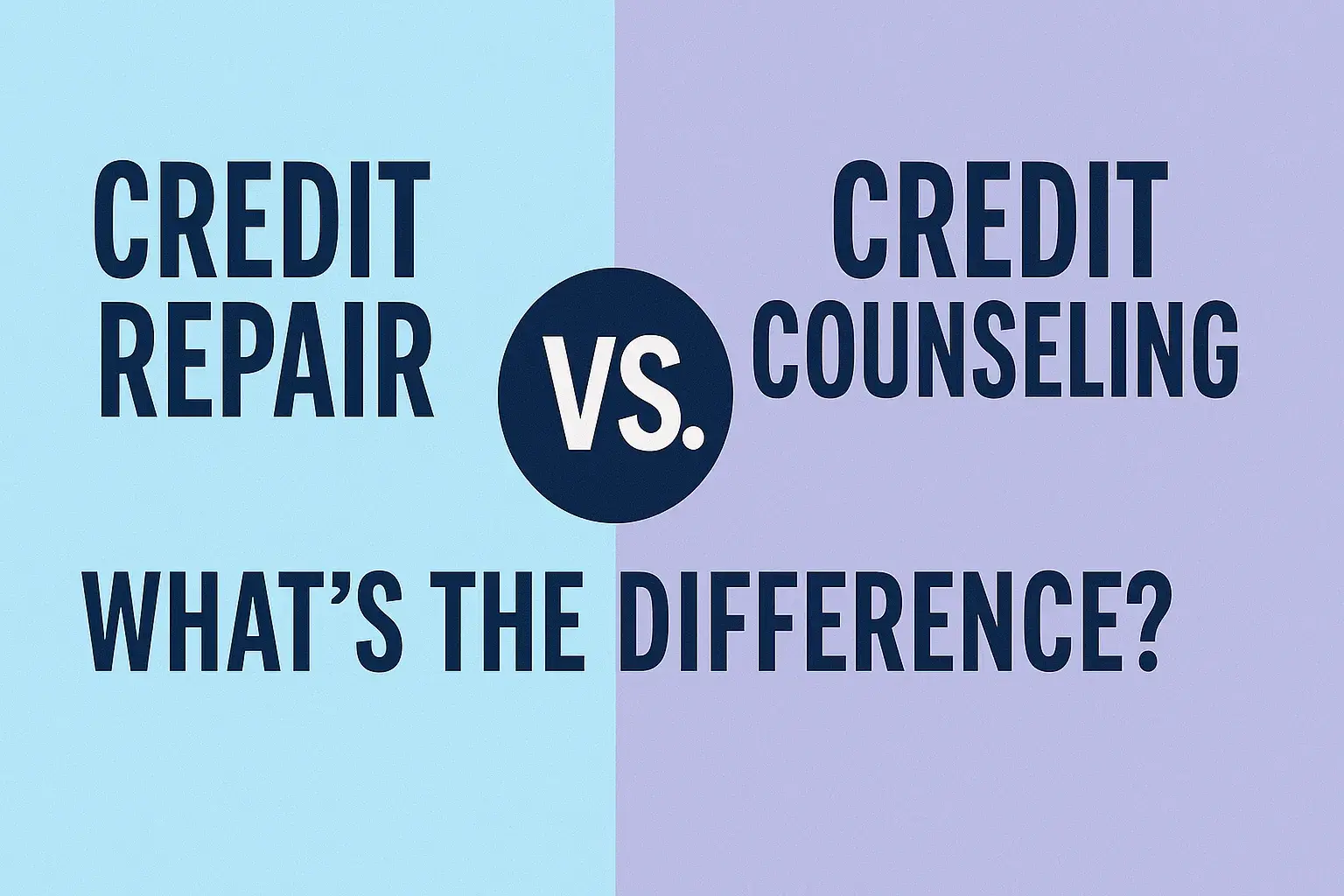
Credit Counseling Agencies
Non-profit credit counseling agencies, often affiliated with organizations like the National Foundation for Credit Counseling (NFCC), offer valuable services. They can provide:
- Budgeting Assistance: Help you create a realistic budget to manage your income and expenses.
- Debt Management Plans (DMPs): If you have unmanageable debt, a DMP consolidates your payments to creditors, often with reduced interest rates and waived fees. You make one monthly payment to the agency, which then distributes it to your creditors.
- Financial Education: Offer workshops and resources on responsible credit use, debt management, and financial planning.
- Advice on Credit Issues: Provide guidance on how to address specific credit problems and improve your score.
These services are typically low-cost or free, making them an accessible option for many.
Debt Settlement Programs
Debt settlement companies negotiate with your creditors to reduce the amount you owe, allowing you to pay off your debts for less than the full amount. While this can resolve debt faster, it comes with significant downsides:
- Negative Impact on Credit Score: Settled accounts are typically reported as such, which can lower your credit score.
- Fees: These companies charge substantial fees, often a percentage of the amount settled.
- Potential for Lawsuits: If creditors refuse to settle, they may pursue legal action.
Debt settlement is generally considered a last resort and should be approached with extreme caution. It is different from credit repair, which focuses on credit reports, not debt reduction.
Secured Credit Cards and Credit-Builder Loans
If your credit challenges stem from a lack of credit history or a very low score, these tools can help build positive credit:
- Secured Credit Cards: Require a cash deposit that typically becomes your credit limit. Responsible use (making on-time payments) is reported to credit bureaus, helping to build your credit history.
- Credit-Builder Loans: Offered by some credit unions and banks, these loans involve you making payments on a loan that is held in a savings account. Once the loan is repaid, you receive the funds, and your payment history is reported to the credit bureaus.
These are proactive tools for improving your credit score over time.
Budgeting and Financial Planning
At its core, good credit is a reflection of responsible financial behavior. Implementing a strict budget, tracking expenses, and prioritizing debt repayment are fundamental steps. By consistently managing your finances, you naturally improve your creditworthiness. This involves:
- Creating a Detailed Budget: Understand where your money goes and identify areas for savings.
- Prioritizing High-Interest Debt: Focus on paying down debts with the highest interest rates first.
- Automating Payments: Set up automatic payments for bills to avoid late fees and missed payments.
- Saving for Emergencies: An emergency fund can prevent you from relying on credit during unexpected financial hardships.
These alternatives require personal commitment but offer a cost-effective and empowering way to achieve financial recovery and a healthier credit profile.
The Path to Financial Recovery: A Holistic View
Financial recovery is not solely about improving a credit score; it's about establishing sustainable financial health and achieving long-term stability. Credit repair services can be a valuable tool in this journey, but they are most effective when integrated into a broader strategy that addresses all aspects of personal finance. In 2025, the emphasis is on a comprehensive approach that combines credit improvement with sound financial habits.
The Interconnectedness of Credit and Financial Health
Your credit score is a reflection of your financial behavior. A low score often indicates underlying issues with debt management, budgeting, or consistent bill payment. Conversely, a strong credit score opens doors to better financial opportunities, such as lower interest rates on loans, more favorable insurance premiums, and easier access to housing and employment. Therefore, improving your credit is intrinsically linked to improving your overall financial well-being.
Beyond Dispute: Building Positive Habits
While credit repair services excel at identifying and disputing errors, true financial recovery requires building positive habits. This includes:
- Consistent On-Time Payments: This is the single most significant factor influencing your credit score. Make it a priority to pay all bills on time, every time.
- Responsible credit utilization: Keep your credit card balances low relative to your credit limits. Aim to use less than 30% of your available credit.
- Diversified Credit Mix: Having a mix of credit types (e.g., credit cards, installment loans) can positively impact your score over time, but only if managed responsibly.
- Long-Term Financial Planning: Set financial goals, create a budget, and save for the future. This proactive approach prevents future credit problems.
The Role of Education and Support
Understanding your finances is crucial. Whether you work with a credit repair service, a credit counselor, or choose a DIY approach, continuous education is key. Resources like financial literacy websites, books, workshops, and reputable online courses can provide the knowledge needed to make informed financial decisions. Support systems, whether from family, friends, or financial professionals, can also provide encouragement and accountability.
Setting Realistic Expectations
Financial recovery is a marathon, not a sprint. Credit repair takes time, and significant improvements rarely happen overnight. Legitimate credit repair services work within legal frameworks, meaning accurate negative information will remain on your report for its designated period. The goal is to remove inaccuracies and build a strong, positive credit history moving forward. Be patient, stay committed to your plan, and celebrate small victories along the way.
A Comprehensive Financial Recovery Plan Might Include:
- Credit Report Analysis: Understand your current credit standing.
- Dispute Inaccuracies: Work with a service or dispute yourself to correct errors.
- Debt Management: Develop a strategy to pay down existing debts, potentially through a debt management plan or aggressive repayment.
- Budgeting: Create and adhere to a realistic budget.
- Building Positive Credit: Utilize tools like secured credit cards or credit-builder loans responsibly.
- Financial Education: Continuously learn about personal finance and credit management.
- Regular Monitoring: Keep track of your credit reports and scores to ensure progress and catch new issues.
By adopting a holistic approach that combines credit repair with sound financial practices, individuals can achieve not just a better credit score, but lasting financial recovery and freedom.
In conclusion, credit repair services offer a specialized pathway to improving your financial standing by addressing inaccuracies and errors on your credit reports. While they cannot erase legitimate negative information, they can be instrumental in correcting factual mistakes, saving you time and stress. Always choose reputable services, understand their fee structures, and be aware of your rights under laws like the FCRA and CROA. Remember that credit repair is most effective when combined with consistent, responsible financial habits, making it a crucial component of a broader financial recovery strategy. By taking informed steps, you can navigate the path to a healthier credit profile and greater financial peace of mind.