Do It Yourself Credit Repair Kit?
Considering a DIY credit repair kit? This guide breaks down whether a do-it-yourself approach is viable, what to expect, and how to effectively manage your credit health without costly services. Discover the essential steps to take control of your financial future.
What Exactly is a DIY Credit Repair Kit?
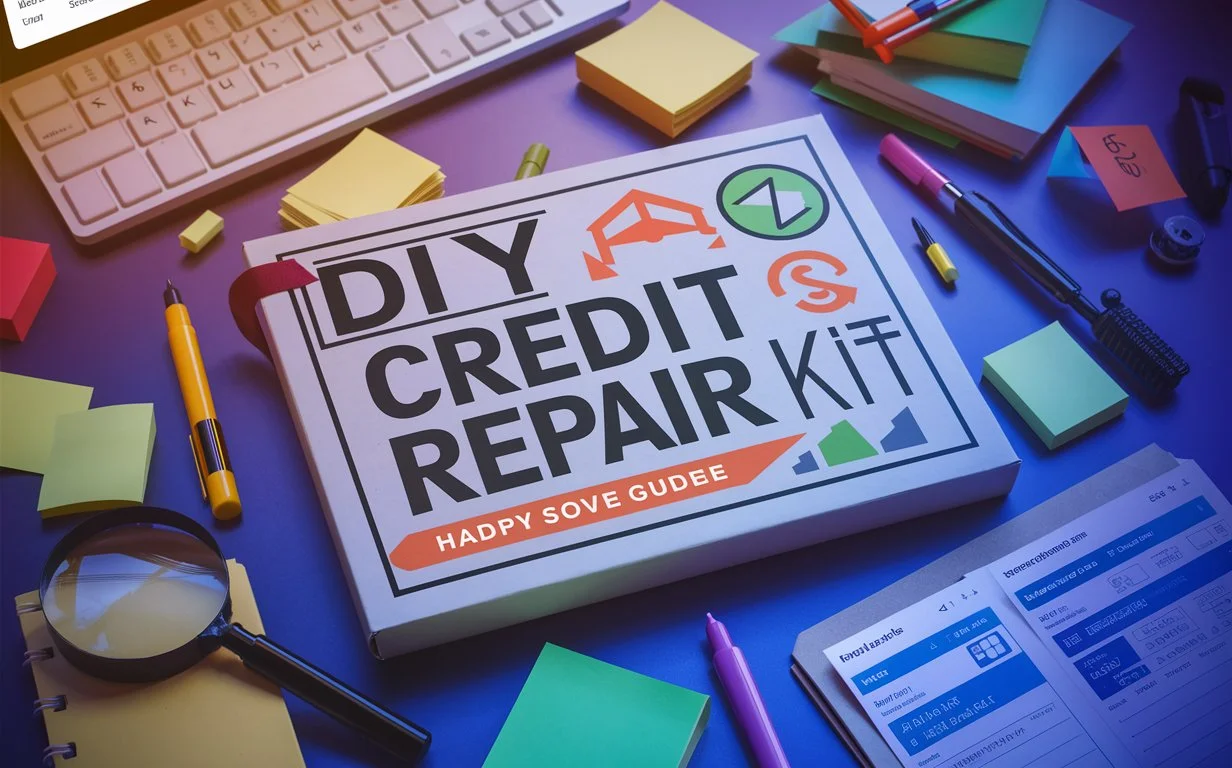
A "Do It Yourself Credit Repair Kit" isn't a magical product, but rather a structured approach or a collection of resources designed to empower individuals to fix their own credit. It typically includes educational materials, templates for dispute letters, checklists, and guidance on navigating the credit reporting system. The core idea is to equip you with the knowledge and tools to identify inaccuracies on your credit reports and systematically work towards their correction, thereby improving your credit score.
Is a DIY Credit Repair Kit Right for You?
Deciding whether a DIY credit repair kit aligns with your needs involves assessing your current financial situation, your willingness to invest time and effort, and your comfort level with administrative tasks. If you have a moderate number of errors on your credit report, are a self-starter, and are looking for a cost-effective solution, a DIY approach can be highly effective. Conversely, if your credit issues are complex, involve extensive identity theft, or if you lack the time or inclination for detailed record-keeping and communication, professional credit repair services might be a better fit. In 2025, with increased digital access to information and resources, the DIY path is more accessible than ever.
Factors to Consider:
- Time Commitment: DIY credit repair requires a significant time investment for research, letter writing, and follow-up.
- Complexity of Issues: Simple errors are manageable; complex issues like identity theft or bankruptcy may benefit from professional guidance.
- Budget: A DIY kit is significantly cheaper than hiring a professional service.
- Motivation and Organization: You need to be motivated, organized, and persistent to see results.
- Understanding of Credit: A willingness to learn about credit scoring and reporting is crucial.
Components of a Comprehensive DIY Credit Repair Strategy
A truly effective DIY credit repair strategy goes beyond just sending dispute letters. It involves a multi-faceted approach that addresses the root causes of credit issues and builds a foundation for long-term financial health. Think of it as building a sturdy house; you need a strong foundation, well-constructed walls, and a solid roof.
Essential Elements:
- Credit Report Analysis Tools: Understanding how to read and interpret your credit reports from all three major bureaus (Equifax, Experian, TransUnion) is paramount. This includes identifying late payments, incorrect account information, hard inquiries, public records, and potential identity theft markers.
- Dispute Letter Templates: Having well-crafted, legally compliant templates for disputing inaccurate information is crucial. These templates should be adaptable to various types of errors.
- Record-Keeping System: A robust system for tracking all communications, documents, and timelines is essential. This ensures you can prove your efforts and follow up effectively.
- Educational Resources: Access to reliable information about credit scoring models (like FICO and VantageScore), consumer protection laws (such as the Fair Credit Reporting Act - FCRA), and best practices for credit management is vital.
- Budgeting and Financial Planning Tools: Addressing the underlying financial habits that may have led to credit problems is a key component. This includes budgeting, debt management strategies, and planning for future financial goals.
- Credit Monitoring Services (Optional but Recommended): While not strictly part of the "kit," subscribing to a credit monitoring service can alert you to changes on your report, helping you catch new errors or fraudulent activity quickly.
Step-by-Step Guide to DIY Credit Repair in 2025
Embarking on DIY credit repair in 2025 requires a systematic and informed approach. The digital landscape has made accessing information and initiating disputes easier, but the core principles remain the same. This guide breaks down the process into actionable steps.
Step 1: Obtain Your Credit Reports
Your first action is to get copies of your credit reports from all three major bureaus: Equifax, Experian, and TransUnion. As of 2025, you are entitled to a free report from each bureau annually via AnnualCreditReport.com. You can also often get free credit scores and reports from your bank or credit card issuer. Scrutinize each report carefully for any discrepancies.
Step 2: Analyze Your Credit Reports for Errors
This is where diligent effort pays off. Look for:
- Personal Information Errors: Incorrect addresses, names, Social Security numbers, or employment history.
- Account Errors: Accounts that don't belong to you, incorrect balances, incorrect payment statuses (e.g., a paid account showing as delinquent), duplicate accounts, or accounts listed as open when they should be closed.
- Public Record Errors: Incorrect information about bankruptcies, liens, or judgments.
- Inquiries: Unrecognized hard inquiries that could be a sign of identity theft.
- Late Payments: Verify if late payments are accurate. If they are not, dispute them.
Step 3: Gather Supporting Documentation
For every error you find, collect any documentation that proves it's an error. This might include:
- Bank statements showing payments made.
- Receipts for purchases.
- Court records that disprove a public record entry.
- Letters from creditors confirming account status.
- Police reports if you are a victim of identity theft.
Step 4: Draft and Send Dispute Letters
You need to send a separate dispute letter to the credit bureau reporting the inaccurate information. If you know which creditor or data furnisher is providing the incorrect information, you can also send a dispute letter directly to them. The FCRA gives you the right to dispute information. Your letters should be:
- Sent via Certified Mail with Return Receipt Requested: This provides proof of mailing and delivery.
- Clear and Concise: State the inaccuracy clearly and explain why it is wrong.
- Include Supporting Documents: Attach copies (never originals) of your evidence.
- Request Correction: Ask for the specific inaccuracy to be removed or corrected.
- Keep a Copy: Always retain a copy of the letter and the return receipt for your records.
Example Snippet for a Dispute Letter:
"Dear [Credit Bureau Name] Investigations Department, I am writing to dispute the following information on my credit report, account number [Account Number]. The account listed as [describe inaccuracy, e.g., '30 days late'] on [date] is inaccurate. I have attached [mention documentation, e.g., 'a copy of my bank statement showing payment was made on X date'] which demonstrates this error. Please investigate this matter and remove this inaccurate information from my credit report."
Step 5: Follow Up and Monitor Progress
Credit bureaus have 30 days (sometimes 45 days if you provide additional information during the initial 30-day period) to investigate your dispute. They will contact the creditor or data furnisher for verification. If the information is found to be inaccurate, it must be corrected or removed. You should receive an updated credit report. If the dispute is denied, you have the right to add a statement to your credit file explaining your side of the story.
Step 6: Address Negative Items That Are Accurate
If the negative information on your report is accurate, disputing it won't work. In this case, your strategy shifts to mitigating its impact and working to improve your overall credit profile. This involves:
- Paying Down Debt: Focus on reducing credit card balances, especially those close to their credit limits.
- Making On-Time Payments: Payment history is the most significant factor in credit scores.
- Negotiating with Creditors: For accounts in collections, you might be able to negotiate a settlement for less than the full amount owed. A "pay for delete" agreement, where a debt collector agrees to remove the negative entry from your report in exchange for payment, is ideal but not guaranteed.
- Building Positive History: Open new, responsible credit accounts if appropriate and manage them well.
Step 7: Re-evaluate and Repeat
Credit repair is often an ongoing process. After the initial disputes and adjustments, periodically check your credit reports and scores. Continue to practice good financial habits. If new errors appear or if certain inaccuracies persist, you may need to repeat the dispute process.
Common Pitfalls to Avoid with DIY Credit Repair
While a DIY credit repair kit offers a cost-effective path to a better credit score, several common mistakes can derail your efforts. Being aware of these pitfalls can help you navigate the process more effectively and avoid wasted time and frustration.
Pitfall 1: Expecting Overnight Results
Credit repair is a marathon, not a sprint. It takes time for credit bureaus and creditors to investigate disputes and for corrected information to reflect on your reports. Furthermore, the impact of positive changes on your credit score also takes time to materialize. Realistic expectations are key to maintaining motivation.
Pitfall 2: Not Understanding Your Rights
Failing to familiarize yourself with the Fair Credit Reporting Act (FCRA) and other relevant consumer protection laws is a significant oversight. These laws outline your rights regarding credit reporting, dispute processes, and what information can and cannot remain on your report. Understanding these rights is your most powerful tool.
Pitfall 3: Sending Vague or Unsubstantiated Disputes
Simply stating "this is wrong" without providing clear reasons or supporting evidence is unlikely to result in a correction. Credit bureaus and furnishers need specific details and proof to act. Ensure your dispute letters are precise and accompanied by relevant documentation.
Pitfall 4: Disputing Accurate Information
The FCRA primarily protects you against inaccurate or unverifiable information. Attempting to dispute accurate negative information (like a legitimate late payment or a debt you owe) will not work and can be seen as frivolous. Focus your efforts on factual errors.
Pitfall 5: Falling for "Credit Repair Scams"
Be wary of companies that promise guaranteed results, ask for upfront fees before providing any service, or suggest you lie about your identity or create a new credit file. Legitimate credit repair services (and DIY efforts) work within the existing legal framework. The Federal Trade Commission (FTC) provides valuable information on avoiding credit repair scams.
Pitfall 6: Neglecting Positive Credit Building
Focusing solely on removing negative items without building positive credit history is like trying to bail out a leaky boat without plugging the holes. Once negative items are removed or their impact diminishes, you need positive accounts and responsible payment behavior to boost your score.
Pitfall 7: Inconsistent Record-Keeping
Losing track of correspondence, dispute dates, or supporting documents can make it difficult to follow up or prove your case if challenged. A well-organized system is non-negotiable for effective DIY credit repair.
Pitfall 8: Not Monitoring Your Credit Regularly
After initial disputes, it's crucial to continue monitoring your credit reports. New errors can appear, or fraudulent activity might occur. Regular monitoring allows you to catch and address issues promptly.
DIY Credit Repair vs. Professional Services: A Comparison
Choosing between a DIY credit repair kit and hiring a professional credit repair service is a significant decision. Each has its own set of advantages and disadvantages, and the best choice depends on your individual circumstances, financial situation, and personal preferences. Here's a detailed comparison to help you decide in 2025.
| Feature | DIY Credit Repair Kit | Professional Credit Repair Service |
|---|---|---|
| Cost: | Low (cost of materials, potentially a digital kit or template purchase) | High (often charged monthly fees, per-item fees, or a combination) |
| Time Commitment: | High (requires significant personal effort, research, and communication) | Low to Moderate (service handles most of the work, but requires client input) |
| Control: | Full control over the process and decisions. | Less direct control; you rely on the service's expertise and methods. |
| Speed of Results: | Variable; can be slow if not managed effectively. | Potentially faster due to experience and established relationships, but not guaranteed. |
| Learning Curve: | Steeper; you must educate yourself on credit laws and processes. | Lower; the service provides expertise and guidance. |
| Complexity of Issues: | Best for straightforward errors; can be overwhelming for complex cases. | Can handle more complex issues, including identity theft, but still within legal limits. |
| Personalization: | Highly personalized as you are directly involved. | Can be personalized, but might be more standardized based on service offerings. |
| Risk of Scams: | Low, as you are in control and dealing with legitimate sources. | Moderate; need to vet services carefully to avoid fraudulent companies. (FTC warns about upfront fees). |
| Legal Knowledge: | Requires self-education on FCRA and other laws. | Professionals are expected to have in-depth legal knowledge. |
| Empowerment: | Empowering, as you gain valuable financial literacy. | Less empowering, as you are delegating the task. |
When DIY Might Be Better:
- You have a limited budget.
- You have the time and motivation to learn and manage the process yourself.
- Your credit report errors are relatively minor and straightforward.
- You want to gain a deeper understanding of your credit and financial management.
When Professional Services Might Be Better:
- Your credit report contains significant errors, complex issues, or potential identity theft.
- You lack the time or inclination to handle the process yourself.
- You prefer to delegate the task to experts.
- You have the financial resources to invest in professional help.
Remember, even with professional services, you still need to be actively involved in providing information and monitoring progress. No legitimate service can remove accurate negative information from your credit report.
Understanding Your Credit Reports: The Foundation of DIY Repair
Before you can effectively repair your credit, you must thoroughly understand what's in your credit reports. These documents are a snapshot of your credit history and financial behavior, compiled by the three major credit bureaus: Equifax, Experian, and TransUnion. In 2025, with enhanced digital access, this understanding is more critical than ever.
Key Sections of a Credit Report:
- Personal Information: This section includes your name, addresses (current and previous), Social Security number, date of birth, and employment history. Errors here can be serious and may indicate identity theft.
- Credit Accounts: This is the largest section, detailing all your credit accounts, including credit cards, mortgages, auto loans, student loans, and personal loans. For each account, you'll find:
- Creditor name
- Account number (often partially masked)
- Date opened
- Credit limit or loan amount
- Current balance
- Payment history (whether payments were on time, late, or missed)
- Status (e.g., open, closed, charged off, in collections)
- Public Records: This section lists negative public information, such as bankruptcies, tax liens, civil judgments, and child support obligations. The FCRA has specific rules about how long these can remain on your report (e.g., bankruptcies typically stay for 7-10 years).
- Inquiries: This section shows who has requested to view your credit report.
- Hard Inquiries: Occur when you apply for credit (e.g., a new credit card, loan). These can slightly lower your score.
- Soft Inquiries: Occur when you check your own credit, or when a company checks your credit for pre-approval offers or employment screening. These do not affect your score.
Why Accurate Reports Matter:
Your credit reports are used by lenders, landlords, insurers, and even employers to assess your creditworthiness and reliability. Inaccuracies can lead to:
- Denial of loans or credit cards
- Higher interest rates on loans
- Rejection of rental applications
- Higher insurance premiums
- Difficulty securing employment in certain fields
How to Analyze for Errors:
When reviewing your reports, compare the information across all three bureaus. Often, errors appear on one report but not others. Look for inconsistencies, outdated information, or accounts you don't recognize. For example, a credit card you closed and paid off years ago should not still be listed as open with a balance. A payment marked as 30 days late might be incorrect if you have proof of on-time payment.
The Creditworthy Insights report from 2025 indicates that approximately 20% of consumers find errors on their credit reports, with a significant portion of those errors being material and impacting their credit scores. This highlights the critical importance of thorough analysis.
Disputing Errors on Your Credit Report: The DIY Way
Disputing errors on your credit report is the cornerstone of DIY credit repair. The Fair Credit Reporting Act (FCRA) grants you the right to dispute any information on your credit report that you believe is inaccurate or incomplete. Here's how to navigate this process effectively.
The Two-Pronged Dispute Approach:
You can dispute inaccuracies with either the credit bureau or the data furnisher (the company that originally reported the information, like your bank or credit card company). It's often recommended to dispute with both, especially if the bureau's investigation doesn't resolve the issue.
Disputing with the Credit Bureau:
1. Identify the Error: Pinpoint the specific inaccurate information on your Equifax, Experian, or TransUnion report.
2. Draft Your Dispute Letter:
- Be Specific: Clearly state which account or piece of information you are disputing and why it is inaccurate.
- Provide Account Details: Include your name, address, Social Security number, and the account number associated with the disputed item.
- Reference the FCRA: Mention that you are disputing under the provisions of the FCRA.
- Request Correction/Removal: Clearly state what action you want the bureau to take.
- Attach Supporting Evidence: Include copies of any documents that prove your claim (e.g., payment receipts, letters from creditors). Never send originals.
- Keep a Copy: Retain a copy of your letter and all attachments for your records.
3. Send via Certified Mail: Mail your letter via certified mail with a return receipt requested. This provides legal proof that the bureau received your dispute and when.
4. Follow Up: Credit bureaus have 30 days (extendable to 45 days if you provide additional information during the initial 30-day period) to investigate your dispute. They will typically contact the data furnisher. You will receive an updated credit report and a letter detailing the results of their investigation.
Disputing Directly with the Data Furnisher:
Sometimes, contacting the source of the information directly can be faster or more effective, especially if the credit bureau's investigation stalls or if you have direct communication channels with the creditor.
1. Identify the Data Furnisher: Determine which company reported the inaccurate information.
2. Draft a Similar Dispute Letter: Follow the same principles as disputing with the credit bureau, but address the letter to the data furnisher's consumer relations or dispute department. Clearly state the inaccuracy and provide your account number with them.
3. Send via Certified Mail: Again, use certified mail with return receipt requested.
4. Document Everything: Keep records of all communication, including dates, times, and names of people you speak with.
What If the Dispute is Denied?
If the credit bureau or data furnisher concludes the information is accurate and denies your dispute, you still have options:
- Add a Consumer Statement: You have the right to add a brief statement (up to 100 words) to your credit file explaining your side of the story. This statement will be included any time your credit report is accessed.
- Re-dispute with New Evidence: If you find new evidence, you can submit a new dispute.
- Consult a Consumer Attorney: For persistent or egregious errors, you may consider seeking legal advice from a consumer protection attorney.
According to a 2025 report by the Consumer Financial Protection Bureau (CFPB), approximately 70% of disputes filed by consumers result in some form of correction or deletion of information, underscoring the effectiveness of a well-executed DIY dispute process.
Building Positive Credit Habits for Long-Term Success
While removing inaccuracies is a critical part of credit repair, true financial health comes from building and maintaining positive credit habits. A DIY credit repair kit should ideally include guidance on these practices, as they are the foundation for a strong credit score and a secure financial future. In 2025, with evolving credit scoring models, consistent good behavior is more important than ever.
Key Positive Credit Habits:
- Pay All Bills On Time, Every Time: Payment history is the most significant factor in your credit score, accounting for about 35% of the FICO score. Even a single late payment can have a substantial negative impact. Set up automatic payments or reminders to ensure you never miss a due date.
- Keep credit utilization Low: Credit utilization ratio (CUR) is the amount of credit you're using compared to your total available credit. Experts recommend keeping your CUR below 30%, and ideally below 10%, for the best impact on your score. This applies to each individual card and your overall credit.
- Avoid Opening Too Many New Accounts at Once: While responsible use of new credit can be beneficial, applying for multiple credit accounts in a short period can result in numerous hard inquiries, which can lower your score temporarily.
- Maintain a Mix of Credit: Lenders like to see that you can responsibly manage different types of credit, such as revolving credit (credit cards) and installment loans (mortgages, auto loans). However, do not open accounts you don't need solely for the sake of credit mix.
- Monitor Your Credit Reports Regularly: As discussed, regularly checking your credit reports helps you catch errors and fraudulent activity early. This proactive approach is crucial for maintaining a healthy credit profile.
- Be Patient: Building good credit takes time. The positive effects of responsible behavior accumulate over months and years.
- Understand Your Credit Score: Familiarize yourself with the factors that influence your credit score (payment history, credit utilization, length of credit history, credit mix, and new credit). This knowledge empowers you to make informed financial decisions.
Strategies for Improvement:
- Debt Reduction: Prioritize paying down high-interest debt, especially credit card balances. Consider the debt snowball or debt avalanche method.
- Secured Credit Cards: If you have a damaged credit history, a secured credit card (which requires a cash deposit as collateral) can be an excellent tool to rebuild credit. Use it responsibly and pay it off monthly.
- Credit-Builder Loans: Some credit unions and banks offer credit-builder loans. You make payments on the loan, but the money is held in a savings account until the loan is fully repaid, after which you receive the funds. This demonstrates consistent repayment behavior.
- Authorized User Status: Becoming an authorized user on a trusted individual's credit card (e.g., a family member with excellent credit) can help you benefit from their positive payment history. However, ensure they manage their account responsibly, as their negative behavior could also affect you.
By consistently applying these positive credit habits, you not only repair past damage but also build a strong foundation for future financial opportunities, making a DIY credit repair kit a truly valuable investment in your long-term financial well-being.
Legal Rights and Protections for Consumers
Understanding your legal rights is a critical component of any DIY credit repair strategy. The U.S. government has enacted several laws to protect consumers from unfair or deceptive practices in credit reporting and debt collection. In 2025, these protections remain robust and are your primary defense against inaccuracies and predatory practices.
Key Legislation:
- The Fair Credit Reporting Act (FCRA): This is the most important law governing credit reporting. It dictates:
- Accuracy: Credit bureaus and furnishers must ensure the information they report is accurate.
- Dispute Rights: You have the right to dispute any inaccurate or incomplete information on your credit report.
- Investigation: Bureaus must investigate your disputes within a reasonable time (usually 30 days).
- Disclosure: You are entitled to free copies of your credit report annually from each of the three major bureaus.
- Permissible Purpose: Only entities with a legitimate need can access your credit report.
- Reinvestigation: If information is found to be inaccurate, it must be corrected or removed.
- Consumer Statement: You can add a statement to your file explaining disputed information.
- The Fair Debt Collection Practices Act (FDCPA): This act regulates the behavior of third-party debt collectors. It prohibits them from using abusive, deceptive, or unfair practices, such as:
- Harassing or threatening consumers.
- Contacting you at inconvenient times or places.
- Misrepresenting the amount of debt owed.
- Threatening legal action they cannot or do not intend to take.
- Reporting false information to credit bureaus.
- The Fair Credit Billing Act (FCBA): This act provides protections for consumers with credit card billing disputes. It allows you to dispute billing errors on your credit card statements and requires card issuers to investigate.
- The Credit Repair Organizations Act (CROA): This federal law sets specific rules for credit repair organizations. It prohibits them from charging fees before services are rendered, requires them to provide written contracts, and outlines their prohibited practices. It's crucial to understand this law when considering professional help, as many legitimate DIY kits operate within its spirit by providing educational materials and templates rather than direct repair services.
How These Laws Empower You:
- Challenging Inaccuracies: The FCRA is your primary tool for disputing errors. By understanding its provisions, you can effectively challenge incorrect information.
- Dealing with Debt Collectors: The FDCPA protects you from harassment and deception by debt collectors. Knowing your rights can help you manage collection attempts effectively and prevent them from unfairly impacting your credit.
- Protecting Your Credit Card Rights: The FCBA ensures you have recourse for billing errors on your credit cards.
- Avoiding Scams: CROA helps you identify and avoid fraudulent credit repair organizations.
It's essential to stay informed about these laws, as they are constantly being interpreted and sometimes updated. Resources like the Consumer Financial Protection Bureau (CFPB) website are invaluable for current information and guidance on your consumer rights.
The Future of Credit Repair and Your Role
The landscape of credit repair is continuously evolving, influenced by technological advancements, regulatory changes, and shifting consumer behaviors. As we move further into 2025 and beyond, understanding these trends and your role within them is crucial for maintaining financial well-being.
Emerging Trends in Credit Repair:
- AI and Automation: Artificial intelligence is increasingly being used to analyze credit reports, identify potential errors, and even draft dispute letters. While AI can streamline the process, human oversight remains essential for complex cases and ensuring accuracy.
- Data Furnisher Responsibility: Regulators are placing greater emphasis on the accuracy and integrity of data provided by furnishers (lenders, creditors, etc.). This means more accountability for companies reporting information, potentially leading to fewer errors originating from their end.
- Alternative Data: The use of "alternative data" (e.g., rent payments, utility bills, subscription services) in credit scoring is expanding. While this can help individuals with thin credit files, it also introduces new possibilities for data errors and requires careful monitoring.
- Increased Consumer Awareness: With greater access to financial education and resources online, consumers are becoming more empowered and proactive in managing their credit. This trend supports the viability and effectiveness of DIY credit repair.
- Focus on Financial Wellness: The industry is shifting from mere "credit repair" to a broader concept of "financial wellness," which encompasses budgeting, debt management, savings, and overall financial literacy.
Your Proactive Role:
In this evolving environment, your role as a consumer is more critical than ever:
- Be an Informed Advocate: Continuously educate yourself about your rights, credit scoring models, and financial best practices.
- Embrace Technology Wisely: Utilize digital tools and AI-powered services cautiously, always verifying information and understanding the underlying processes.
- Prioritize Prevention: The best credit repair is prevention. Develop and maintain strong financial habits to avoid accumulating errors or negative marks in the first place.
- Stay Vigilant: Regularly monitor your credit reports and scores for any changes, both positive and negative.
- Demand Accuracy: Do not hesitate to dispute any inaccuracies you find, leveraging your rights under consumer protection laws.
- Focus on Long-Term Goals: Understand that credit repair is a step towards broader financial goals, such as homeownership, secure retirement, or starting a business.
The future of credit repair is one where empowered consumers, armed with knowledge and effective tools, play a central role. A DIY credit repair kit, when used as a comprehensive educational and action-oriented guide, is an excellent way to equip yourself for this journey. By understanding the process, your rights, and the ongoing importance of good financial habits, you can effectively manage your credit and build a stronger financial future.
In conclusion, a "Do It Yourself Credit Repair Kit" is a valuable resource for individuals seeking to take control of their financial health. By understanding your rights under laws like the FCRA, diligently analyzing your credit reports, and systematically disputing inaccuracies, you can effectively improve your credit score. Remember that consistent, positive financial habits are the bedrock of long-term creditworthiness. While professional services exist, a DIY approach offers cost savings and empowers you with crucial financial literacy. Embrace the journey of credit repair with patience and persistence, and you'll pave the way for a more secure financial future.