How Do Credit Repair Companies Work?

credit repair companies offer a structured approach to improving your credit score by identifying and rectifying inaccuracies on your credit reports. They act as intermediaries, communicating with credit bureaus and creditors on your behalf to challenge questionable items, aiming to boost your financial standing and unlock better loan terms.
Understanding How Credit Repair Companies Work
In the complex world of personal finance, a good credit score is often the key to unlocking opportunities, from securing a mortgage with favorable rates to getting approved for a new car loan or even renting an apartment. However, many individuals find themselves struggling with a less-than-ideal credit score due to past financial missteps, identity theft, or simple errors on their credit reports. This is where credit repair companies step in, offering their expertise to help individuals navigate the often-intimidating process of improving their creditworthiness. But how exactly do these companies work, and what can you expect from their services? This comprehensive guide will delve deep into the mechanisms behind credit repair, providing you with the knowledge to make informed decisions about your financial future.
At its core, credit repair is about addressing inaccuracies and negative items on your credit reports that are dragging down your score. Credit bureaus like Equifax, Experian, and TransUnion compile these reports, which detail your credit history, including payment history, amounts owed, length of credit history, credit mix, and new credit. While these bureaus strive for accuracy, errors can and do occur. These errors can range from incorrect late payments, accounts that don't belong to you, or outdated information that should have been removed. Credit repair companies specialize in identifying these discrepancies and working to have them corrected or removed.
The primary mechanism through which credit repair companies operate is by leveraging your rights under federal laws, most notably the Fair Credit Reporting Act (FCRA). The FCRA grants consumers the right to dispute inaccurate information on their credit reports. Credit repair companies act as your authorized representative, communicating with the credit bureaus and the original creditors on your behalf. They will typically request copies of your credit reports from all three major bureaus, analyze them for potential issues, and then formulate dispute letters to send to the relevant parties.
This process involves a systematic approach. First, they'll meticulously review your credit reports to pinpoint any errors. This could include identifying accounts that are past the statute of limitations for reporting, accounts that have been marked as delinquent when payments were made on time, or accounts that were opened fraudulently. Once potential inaccuracies are identified, the company will draft formal dispute letters. These letters are sent to the credit bureaus and, in some cases, to the original creditors who reported the information. The FCRA mandates that credit bureaus investigate these disputes within a specific timeframe, usually 30 days, though this can be extended to 45 days for disputes received near the end of a reporting cycle. During this investigation, the credit bureaus must contact the furnisher of the information (the creditor) to verify its accuracy. If the furnisher cannot provide adequate proof of the information's validity, it must be removed from your credit report.
It's crucial to understand that credit repair companies do not have a magic wand. They cannot remove accurate, negative information from your credit report, such as legitimate late payments or bankruptcies that are still within the legally allowed reporting period. Their effectiveness hinges on the presence of errors or unverifiable information. For instance, if a debt collector reports an account that is past the statute of limitations for collection, or if a creditor cannot verify the debt when challenged, it can be removed. Similarly, if an account belonging to someone else with a similar name appears on your report, a credit repair company can work to have it removed.
The service typically involves an initial consultation to assess your credit situation, followed by a monthly fee for ongoing services. The duration of their engagement varies depending on the complexity of your credit report and the nature of the inaccuracies. Some companies offer different service tiers, with more comprehensive packages including credit monitoring and identity theft protection.
Leveraging Your Rights Under the FCRA
The Fair Credit Reporting Act (FCRA) is the cornerstone of credit repair. This federal law empowers consumers with specific rights regarding their credit reports. Credit repair organizations are essentially facilitators who help you exercise these rights effectively. They understand the nuances of the FCRA, including:
- The Right to Dispute Inaccurate Information: Consumers have the right to dispute any information on their credit report that they believe is inaccurate or incomplete.
- The Right to Know What's on Your Report: You are entitled to a free copy of your credit report from each of the three major credit bureaus annually via AnnualCreditReport.com.
- The Right to Have Inaccurate Information Removed: If a dispute reveals that information is indeed inaccurate, it must be corrected or removed from your report.
- The Right to Have Outdated Information Removed: Most negative information, like late payments and collections, can only remain on your report for seven years (ten years for bankruptcies).
Credit repair companies use this legal framework to their advantage. They meticulously review your reports, identify potential violations of your FCRA rights, and draft formal dispute letters that adhere to legal requirements. This strategic approach aims to maximize the chances of successful challenges.
Communication with Credit Bureaus and Creditors
A significant part of a credit repair company's work involves acting as your authorized representative in communications with credit bureaus (Equifax, Experian, TransUnion) and the original creditors or debt collectors who report information to these bureaus. They manage the correspondence, ensuring that disputes are filed correctly and that all necessary documentation is provided. This can be a time-consuming and complex process for individuals to undertake on their own. By outsourcing this to professionals, you can save time and ensure that the communication is handled in a legally compliant and effective manner.
Analysis and Strategy Development
Before initiating any disputes, reputable credit repair companies will conduct a thorough analysis of your credit reports. They look for patterns, inconsistencies, and specific items that are prime candidates for dispute. This analysis isn't just about spotting obvious errors; it involves understanding the legal reporting timelines and the requirements for creditors to validate debts. Based on this analysis, they develop a tailored strategy for each client, which might involve:
- Challenging individual negative items: Focusing on specific late payments, collections, or judgments.
- Requesting debt validation: For collection accounts, they may request proof that the debt is valid and that the collector has the right to collect it.
- Identifying outdated information: Ensuring that information older than the statutory reporting period is removed.
- Investigating potential identity theft: If fraudulent accounts are suspected, they can help initiate the process of reporting and removing them.
This strategic approach is what differentiates professional credit repair from simply sending a few letters yourself. It's about understanding the system and using it to your advantage.
The Credit Repair Process Explained Step-by-Step
Understanding the step-by-step process is crucial for anyone considering professional credit repair. While the specifics can vary slightly between companies, the general workflow remains consistent. This structured approach ensures that all avenues are explored to improve your credit profile. By following these stages, you can better gauge the progress and understand the efforts being made on your behalf.
Step 1: Initial Consultation and Credit Report Analysis
The journey begins with an initial consultation. During this phase, you'll discuss your financial situation, credit goals, and any specific concerns you have about your credit reports. The credit repair company will then request access to your credit reports from all three major credit bureaus (Equifax, Experian, and TransUnion). Many companies offer to pull these reports for you, or they will guide you on how to obtain them yourself. Once they have your reports, a team of analysts will meticulously review them. They are looking for:
- Inaccurate personal information: Such as incorrect addresses, employers, or names.
- Late payments that are incorrect: If you paid on time but it's reported as late.
- Accounts that do not belong to you: Potentially due to identity theft or clerical errors.
- Collection accounts that are outdated or unverifiable: Debts that are past the statute of limitations or for which the collector cannot provide proof.
- Public records: Such as bankruptcies, liens, or judgments that may be inaccurately reported or past their reporting limit.
- Duplicate negative entries: The same negative item appearing multiple times.
This analysis is foundational. The more thorough the initial review, the more effective the subsequent dispute process will be. Some companies may also offer credit score monitoring services at this stage to track progress.
Step 2: Developing a Dispute Strategy
Based on the detailed analysis, the credit repair company will formulate a personalized strategy. This isn't a one-size-fits-all approach. They will identify which items are most likely to be removed or corrected and prioritize them. The strategy might involve:
- Direct disputes with credit bureaus: Filing challenges for specific inaccuracies.
- Requesting debt validation from creditors: For collection accounts, demanding proof of the debt's validity and ownership.
- Sending goodwill letters: In some cases, they might advise or assist in sending letters to creditors requesting the removal of minor negative marks if a strong customer relationship exists.
- Addressing identity theft concerns: If fraudulent activity is suspected, guiding you through the necessary steps to report it.
You will typically be informed of this strategy and the specific items they plan to dispute. Transparency at this stage is a hallmark of a reputable company.
Step 3: Sending Dispute and Validation Letters
This is where the active work begins. The credit repair company will draft and send formal dispute letters to the relevant credit bureaus. These letters are carefully worded to comply with the FCRA and clearly outline the alleged inaccuracies. For collection accounts, they will send debt validation requests to the original creditor or collection agency. These letters require the creditor to provide specific documentation to prove the debt is yours and that they have the legal right to collect it. The FCRA gives consumers the right to dispute, and these letters are the formal mechanism for exercising that right.
Step 4: Monitoring Responses and Follow-Up
Once disputes are filed, the credit bureaus and creditors have a legal obligation to investigate. Credit bureaus typically have 30 days (sometimes up to 45 days) to investigate and respond to disputes. During this period, the credit repair company will monitor the progress. They will review the responses from the credit bureaus and the evidence provided by creditors. If the investigation is inconclusive, or if the creditor fails to provide adequate validation, the credit repair company will follow up with further correspondence, escalating the dispute if necessary. This persistent follow-up is crucial, as it can take multiple rounds of communication to achieve results.
Step 5: Re-evaluation and Continued Disputes
As information is corrected or removed from your credit reports, your credit score may begin to improve. However, the process is often ongoing. The credit repair company will continue to monitor your credit reports and identify new opportunities for dispute or correction. They may re-evaluate previously disputed items if new information comes to light or if an item reappears after being removed. This iterative process ensures that your credit reports are kept as accurate and favorable as possible. The duration of service typically depends on the complexity of your credit issues and the responsiveness of the credit bureaus and creditors.
Step 6: Reporting and Score Tracking
Throughout the process, reputable credit repair companies will provide you with regular updates on their progress. This might include copies of correspondence sent and received, summaries of investigations, and notifications of any changes made to your credit reports. Many also offer access to credit score tracking tools, allowing you to see how your score is evolving as negative items are addressed. This transparency helps you understand the value of the service and the impact it's having on your financial health.
What Credit Repair Companies Can and Cannot Do
It's vital to have realistic expectations when engaging a credit repair company. Their effectiveness is directly tied to the presence of errors and unverifiable information on your credit reports. Understanding their capabilities and limitations ensures you're investing in a service that can genuinely help you.
What Credit Repair Companies Can Do:
- Dispute Inaccurate Information: This is their primary function. They can challenge late payments, incorrect account balances, accounts that don't belong to you, incorrect inquiries, and other factual errors.
- Identify and Challenge Outdated Information: They can ensure that negative items that have exceeded their legal reporting period (typically seven years for most negative items, ten for bankruptcies) are removed.
- Request Debt Validation: For collection accounts, they can demand that the collection agency provide proof that the debt is valid, that they own it, and that they have the legal right to collect it. If the agency cannot provide sufficient proof, the item may be removed.
- Address Identity Theft Issues: If you suspect your identity has been stolen and fraudulent accounts opened, they can assist in the process of disputing these accounts and getting them removed from your report.
- Remove Duplicate Negative Entries: Sometimes, the same negative item can be reported by multiple sources or appear multiple times. Credit repair companies can work to eliminate these redundancies.
- Negotiate with Creditors (Limited Scope): While not their primary function, some companies may, as part of a broader strategy, assist in communicating with creditors to negotiate settlements or payment plans, though this is often a separate service or requires specific expertise.
- Educate Consumers: Reputable companies will often educate you on how credit works, the importance of timely payments, and strategies for maintaining good credit going forward.
What Credit Repair Companies Cannot Do:
- Remove Accurate, Legitimate Negative Information: They cannot remove late payments that you genuinely made, bankruptcies that are within the reporting period, or any other negative information that is true and verifiable.
- improve your credit score Instantly: Credit repair is a process. While some items may be removed quickly, significant score improvement often takes time and consistent effort.
- Guarantee Specific Results: No legitimate credit repair company can guarantee that they will remove all negative items or achieve a specific credit score. Such promises are often red flags.
- Create a New Credit Identity: They cannot help you obtain an Employer Identification Number (EIN) to use as a credit number or engage in any illegal activities to build credit.
- Remove Inquiries: Hard inquiries that result from your credit applications cannot be removed unless they were made without your permission.
- Stop Debt Collection Immediately: While they can dispute debts, they cannot unilaterally stop a debt collector from contacting you. You have separate rights under the Fair Debt Collection Practices Act (FDCPA) for this.
- Offer Services Without a Contract: Legitimate credit repair organizations are required by law to provide you with a written contract detailing their services, fees, and cancellation policy.
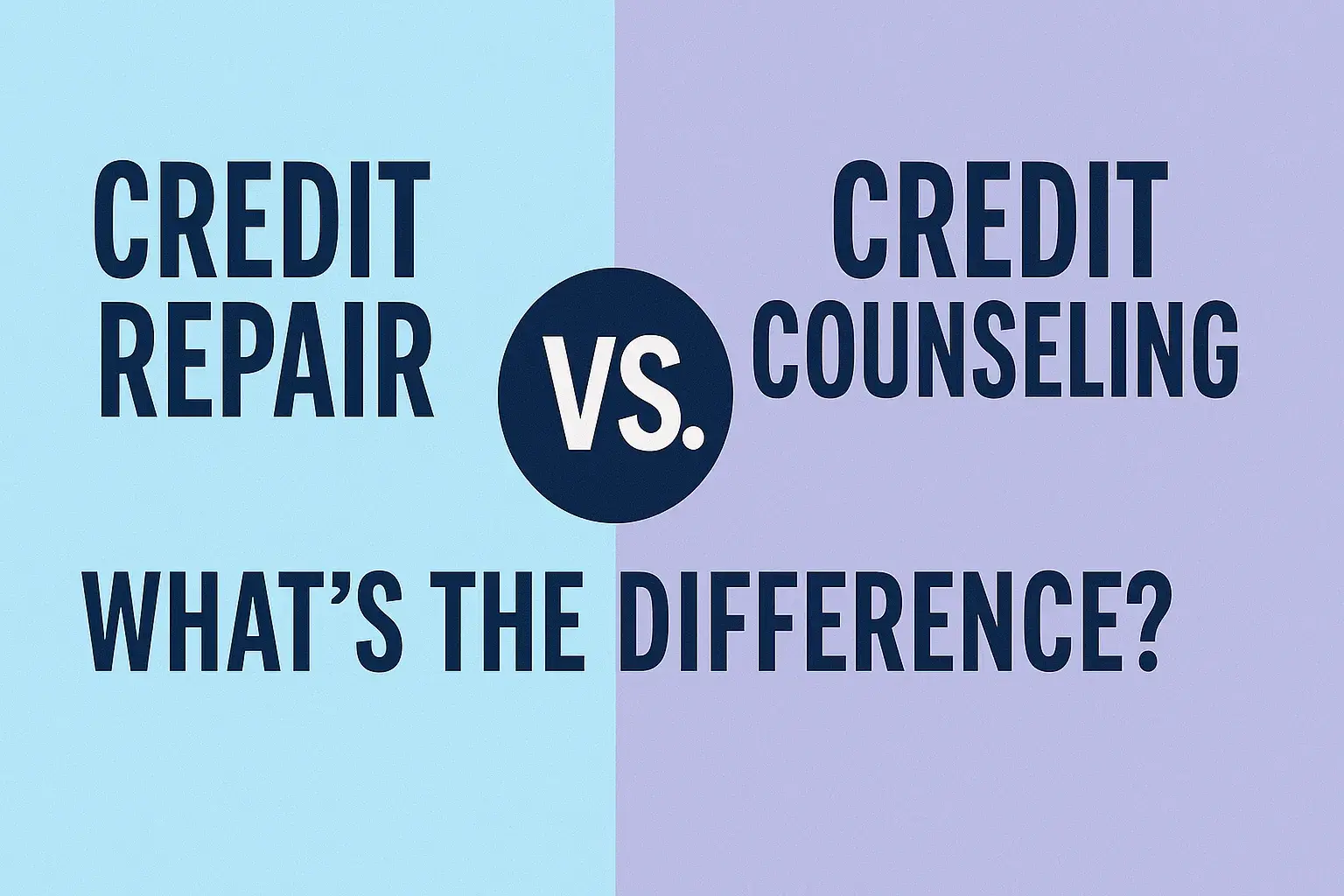
It's important to distinguish credit repair companies from credit counseling agencies. Credit counseling agencies typically focus on helping you manage debt through debt management plans, budgeting, and financial education. They may help you consolidate payments but do not directly dispute items on your credit report in the same way credit repair companies do. Understanding this distinction is key to choosing the right service for your needs.
Choosing the Right Credit Repair Company
With numerous credit repair companies vying for your business, selecting a reputable and effective one is paramount. A poor choice can lead to wasted money and little to no improvement in your credit standing. Here’s a guide to help you make an informed decision.
Red Flags to Watch Out For:
- Guarantees of Results: No company can guarantee the removal of specific items or a certain score increase. Be wary of any company making such promises.
- Upfront Fees for Services Not Yet Rendered: The Credit Repair Organizations Act (CROA) prohibits charging fees before services are fully performed. While some companies charge an initial setup fee, be cautious if they demand a large sum upfront for services they haven't begun.
- Lack of a Written Contract: A legitimate company will always provide a clear, written contract outlining services, fees, timelines, and cancellation policies.
- Requests for Personal Information Beyond What's Necessary: Be cautious if they ask for your bank account password, Social Security number upfront without proper verification, or other highly sensitive details beyond what's needed to access your credit reports.
- Unrealistic Promises: If it sounds too good to be true, it probably is. Credit repair takes time and effort; quick fixes are rarely legitimate.
- Pressure Tactics: A reputable company will allow you time to consider their offer and ask questions.
What to Look For in a Reputable Company:
- Clear Explanation of Services: They should clearly articulate how they work, what they can and cannot do, and what their process entails.
- Transparency in Fees: Understand their fee structure. Many charge a one-time setup fee and a monthly fee for ongoing services. Ensure you know exactly what you're paying for.
- Written Contract: As mentioned, a detailed contract is essential. Review it carefully before signing.
- Positive Reviews and Testimonials: Look for reviews from other customers, but be discerning. Check independent review sites as well as the company's own website.
- BBB Accreditation and Rating: While not a sole indicator, a good rating with the Better Business Bureau (BBB) can be a positive sign.
- Experienced Staff: Inquire about the experience and training of their credit analysts and dispute specialists.
- Focus on Education: A good company will also educate you on maintaining good credit long-term.
- Compliance with CROA: Ensure they are compliant with the Credit Repair Organizations Act, which provides consumer protections.
Questions to Ask Potential Companies:
- What is your fee structure? Are there any hidden costs?
- What is your process for disputing items on my credit report?
- How long does the process typically take?
- Can you provide examples of items you've successfully disputed for other clients?
- What are your cancellation policies?
- Do you offer credit monitoring services?
- What qualifications do your dispute specialists have?
- How often will I receive updates on my progress?
By conducting thorough research and asking the right questions, you can significantly increase your chances of finding a credit repair company that will genuinely help you improve your credit health.
Alternatives to Credit Repair Companies
While credit repair companies can be beneficial for some, they are not the only path to improving your credit score. Several alternatives exist that can be equally, if not more, effective, especially if you are willing to invest your own time and effort.
DIY Credit Repair:
The most direct alternative is to repair your credit yourself. This involves leveraging your rights under the FCRA to dispute inaccuracies on your credit reports. The process includes:
- Obtaining Your Credit Reports: Get free copies from AnnualCreditReport.com.
- Analyzing Your Reports: Meticulously review each report for errors, outdated information, or unverifiable debts.
- Drafting Dispute Letters: Write clear, concise letters to the credit bureaus and creditors, outlining the specific inaccuracies and citing your rights under the FCRA.
- Sending Certified Mail: Send your dispute letters via certified mail with a return receipt requested to have proof of delivery.
- Following Up: Monitor the investigation process and respond to any requests for further information.
Pros: Cost-effective (only postage and time), full control over the process, educational.
Cons: Time-consuming, requires a good understanding of credit laws, can be frustrating.
Non-Profit Credit Counseling Agencies:
These agencies, often affiliated with organizations like the National Foundation for Credit Counseling (NFCC), offer a range of services, including:
- Budgeting and Financial Education: Helping you create a realistic budget and manage your money effectively.
- Debt Management Plans (DMPs): Consolidating your unsecured debts into a single monthly payment, often with reduced interest rates.
- Assistance with Financial Difficulties: Providing guidance on dealing with creditors and navigating financial hardship.
While they don't typically dispute credit report errors directly, they help address the root causes of credit problems, which can lead to score improvement over time.
Pros: Often free or low-cost, comprehensive financial guidance, reputable and regulated.
Cons: May not directly address specific credit report inaccuracies, focus is on debt management.
Secured Credit Cards and Credit-Builder Loans:
These financial products are designed specifically for individuals with limited or damaged credit to help them build a positive credit history.
- Secured Credit Cards: You provide a cash deposit, which becomes your credit limit. Responsible use (making on-time payments) is reported to the credit bureaus, helping to build your credit history.
- Credit-Builder Loans: You make payments on a loan that is held in an account. Once the loan is fully repaid, you receive the funds. Your timely payments are reported to the credit bureaus.
Pros: Directly helps build positive credit history, relatively easy to obtain, can improve credit utilization and payment history.
Cons: Requires some upfront funds (for secured cards) or a commitment to loan payments, doesn't fix existing errors.
Authorized User Strategy:
If you have a trusted friend or family member with excellent credit, they can add you as an authorized user to one of their well-managed credit cards. The positive history of that account can then appear on your credit report, potentially boosting your score.
Pros: Can provide a quick boost to credit history and utilization.
Cons: Relies on the primary cardholder's responsible behavior; if they miss payments, it can hurt your credit. The primary cardholder must be willing and trustworthy.
Direct Negotiation with Creditors:
For specific issues, such as a single late payment or a disputed charge, you might be able to resolve the matter directly with the creditor. Explain your situation, provide proof of payment or error, and politely request they correct the record or remove the negative mark.
Pros: Can be effective for isolated issues, no cost involved.
Cons: Requires good communication skills and persistence, not suitable for complex credit report issues.
Choosing the right approach depends on your specific situation, financial resources, and willingness to be hands-on. Often, a combination of these strategies can be the most effective path to a healthier credit score.
The Cost of Credit Repair Services
Understanding the financial commitment involved in using a credit repair company is essential. Costs can vary significantly based on the company, the complexity of your credit issues, and the services offered. It's crucial to distinguish between legitimate fees and potentially predatory charges.
Typical Fee Structures:
Most reputable credit repair companies operate on a fee-for-service model, often with a combination of an initial setup fee and a recurring monthly fee.
- Setup Fee: This is a one-time charge paid when you first sign up. It typically covers the initial credit report analysis, the development of your dispute strategy, and the preparation of the first set of dispute letters. These fees can range from $50 to $200 or more.
- Monthly Service Fee: This recurring fee covers the ongoing work of disputing items, communicating with credit bureaus and creditors, monitoring your credit reports, and providing updates. Monthly fees generally fall between $50 and $150. Some companies may charge per deleted item, but this is less common and can be a red flag if not structured properly.
Total Cost: For a typical engagement that lasts anywhere from 6 to 24 months, you could expect to pay anywhere from $500 to over $3,000 in total, depending on the factors mentioned above.
Factors Influencing Cost:
- Number of Items to Dispute: If you have numerous negative items or complex issues (like identity theft), the process will likely take longer and involve more work, thus costing more.
- Complexity of Disputes: Some disputes are straightforward, while others require extensive research, evidence gathering, and follow-up.
- Services Included: Companies that offer additional services like credit monitoring, identity theft protection, or debt negotiation may charge higher fees.
- Company Reputation and Longevity: Established companies with a proven track record might command higher prices due to their expertise and perceived reliability.
What to Watch Out For Regarding Fees:
- Upfront Fees Exceeding Legal Limits: The Credit Repair Organizations Act (CROA) generally prohibits charging fees before services are performed. While a setup fee for initial work is permissible, be wary of companies demanding large sums upfront for services they haven't yet rendered.
- Guaranteed Fees for Results: No company can guarantee results. If a company charges a fee based on a promise of removing specific items, it's a major red flag.
- Hidden Fees: Always ensure you understand the entire fee structure. Ask for a clear breakdown of all potential costs.
- Unnecessary Add-on Services: Some companies may push expensive add-on services that you don't necessarily need.
Comparison Table: Typical Costs vs. DIY
| Service | Estimated Cost (2025) | Pros | Cons |
|---|---|---|---|
| Reputable Credit Repair Company | $500 - $3,000+ (over 6-24 months) | Expertise, time-saving, structured process | Costly, no guaranteed results, requires trust in the company |
| DIY Credit Repair | $0 - $50 (for postage, certified mail) | Free, full control, educational | Time-consuming, requires research and persistence, can be frustrating |
| Non-Profit Credit Counseling | Free to low-cost ($25-$50/month for DMPs) | Comprehensive financial guidance, debt management | Doesn't directly dispute credit report errors |
When evaluating costs, always consider the potential return on investment. If a credit repair company can help you secure a mortgage with a lower interest rate, the savings over the life of the loan could far outweigh the cost of their services.
Legal and Ethical Considerations in Credit Repair
The credit repair industry is subject to significant regulation to protect consumers from fraudulent or misleading practices. Understanding these legal and ethical boundaries is crucial for both consumers and service providers.
The Credit Repair Organizations Act (CROA):
This federal law, enacted in 1996, provides key protections for consumers engaging with credit repair companies. Key provisions include:
- Written Contracts: CROA mandates that any agreement between a consumer and a credit repair organization must be in writing and clearly outline the services to be provided, the total cost, and the timeframe for those services.
- Cancellation Rights: Consumers have the right to cancel the contract within three business days of signing it without penalty. This is often referred to as a "cooling-off period."
- Prohibition on Advance Fees: Credit repair organizations generally cannot charge fees for services before they are fully performed. While a reasonable setup fee for initial work is permissible, they cannot demand payment for services that haven't yet been rendered.
- No Misleading Claims: Companies are prohibited from making false or misleading claims about their services or the results consumers can expect.
- Required Disclosures: Consumers must be informed of their rights under federal law, including their right to dispute information with credit bureaus directly and their right to obtain free credit reports.
The Fair Credit Reporting Act (FCRA):
While CROA governs the credit repair industry, FCRA is the law that grants consumers the fundamental rights that credit repair companies help them exercise. As previously discussed, FCRA gives consumers the right to dispute inaccurate information on their credit reports and requires credit bureaus and furnishers of information to investigate these disputes.
Ethical Practices in Credit Repair:
Beyond legal requirements, ethical conduct is vital for building trust and delivering genuine value. Ethical credit repair companies adhere to the following principles:
- Transparency: Being upfront about fees, services, limitations, and the dispute process.
- Honesty: Not making guarantees or promises they cannot keep. Clearly stating that accurate negative information cannot be removed.
- Client Education: Empowering clients with knowledge about credit management and helping them develop sustainable financial habits.
- Confidentiality: Protecting client information and privacy.
- Professionalism: Maintaining respectful and effective communication with clients, credit bureaus, and creditors.
- Compliance: Adhering strictly to all relevant federal and state laws.
Common Scams and How to Avoid Them:
Unfortunately, the credit repair industry has its share of bad actors. Be aware of:
- Guaranteed Results: As mentioned, this is a major red flag.
- "Credit Sweeping": This refers to illegally creating a new credit identity by obtaining an EIN and using it to establish credit. This is fraud and can have severe legal consequences.
- High Upfront Fees for Unperformed Services: Avoid companies demanding large payments before any work begins.
- Lack of Written Contracts: Always insist on a contract.
- Pressure Tactics: Legitimate companies won't pressure you into signing immediately.
If a company seems too good to be true, or if you encounter any of these red flags, it's best to walk away and seek assistance from a reputable source or consider the DIY approach.
Real-World Impact and 2025 Statistics
The impact of credit repair on individuals can be profound, leading to tangible financial benefits. Understanding the current landscape and projected trends for 2025 can help illustrate this impact.
Impact on Loan Approvals and Interest Rates:
A higher credit score significantly increases the likelihood of loan approval for mortgages, auto loans, personal loans, and credit cards. Furthermore, it directly influences the interest rates offered. For instance, in 2025, a consumer with a credit score of 750 or higher might qualify for a mortgage interest rate of around 5.5%, while someone with a score of 650 might face rates closer to 7.5%. Over the 30-year term of a $300,000 mortgage, this difference can amount to tens of thousands of dollars in saved interest.
Example: Consider Sarah, who had several errors on her credit report that lowered her score to 620. After working with a credit repair company for 12 months, her score improved to 710. This allowed her to get approved for a car loan at 6.9% APR instead of the 11.5% APR she was initially offered. On a $25,000 loan over five years, this saved her approximately $3,500 in interest.
Statistics on Credit Report Errors (2025 Projections):
Errors on credit reports remain a persistent issue. While exact figures fluctuate, industry analyses and consumer advocacy groups suggest that:
- Approximately 20-25% of consumers have at least one error on their credit reports that could negatively impact their score.
- Of those errors, about 5-10% are significant enough to cause a denial of credit or result in less favorable terms.
- The Consumer Financial Protection Bureau (CFPB) continues to receive a substantial volume of complaints related to credit reporting, with inaccuracies being a primary concern. For 2025, projections indicate that the number of disputes filed with credit bureaus will remain high, underscoring the ongoing need for accurate reporting.
These statistics highlight the prevalence of issues that credit repair companies are designed to address.
The Role of Credit Repair in Financial Well-being:
Beyond loan terms, improved credit scores can unlock other financial opportunities:
- Renting Apartments: Landlords often check credit scores, and a good score can make it easier to secure housing.
- Lower Insurance Premiums: In many states, insurance companies use credit-based insurance scores to help determine premiums for auto and homeowners insurance. A better score can lead to lower rates.
- Employment Opportunities: Some employers conduct credit checks as part of the hiring process, particularly for positions involving financial responsibility.
By correcting errors and building a stronger credit profile, individuals can experience enhanced financial freedom and security. The average credit score improvement reported by credit repair companies often ranges from 20 to 50 points within the first six months, with some experiencing more substantial gains depending on the initial issues.
Future Trends in Credit Reporting and Repair:
As technology advances, so too do the methods of credit reporting and potentially credit repair. Trends for 2025 and beyond include:
- Increased Use of AI in Dispute Resolution: Credit bureaus are exploring AI to streamline dispute processes, which could lead to faster investigations.
- Alternative Data in Credit Scoring: The inclusion of non-traditional data (like rent and utility payments) in credit scoring models may become more widespread, potentially offering new avenues for credit building.
- Enhanced Consumer Protections: Ongoing regulatory scrutiny is likely to lead to further consumer protections in the credit reporting and repair industries.
While the landscape evolves, the fundamental principles of disputing inaccuracies and building positive credit history remain central to improving one's financial standing.
Conclusion
Credit repair companies operate by leveraging your legal rights under the Fair Credit Reporting Act to challenge inaccuracies and unverifiable information on your credit reports. They meticulously analyze your reports, develop dispute strategies, and communicate with credit bureaus and creditors on your behalf. While they cannot remove accurate negative information, they can be instrumental in correcting errors that unfairly drag down your score, potentially leading to significant improvements in loan approvals, interest rates, and overall financial opportunities. Choosing a reputable company involves scrutinizing their fee structure, understanding their processes, and avoiding those that make unrealistic guarantees. Remember, transparency, ethical practices, and adherence to laws like CROA are hallmarks of legitimate credit repair services. For those seeking to improve their creditworthiness, understanding how these companies work is the first step toward a healthier financial future.