How Much Does A Credit Repair Cost?
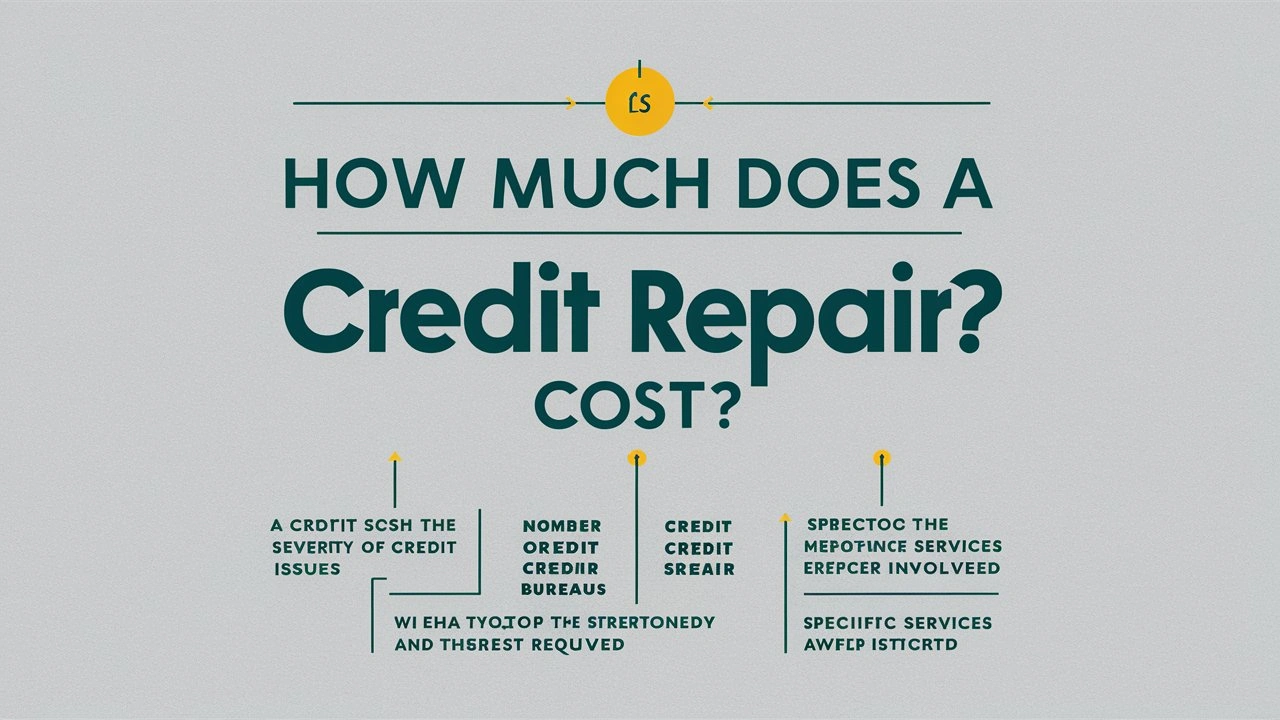
Understanding the cost of credit repair is crucial for anyone looking to improve their financial standing. This guide breaks down the typical expenses, from one-time fees to monthly retainers, helping you budget effectively and choose the right service for your needs in 2025.
Understanding Credit Repair Costs
Embarking on a journey to repair your credit can feel daunting, and one of the primary concerns for many individuals is the financial investment required. The question, "How much does credit repair cost?" is central to this decision-making process. In 2025, the landscape of credit repair services offers a range of pricing models, each with its own implications for your budget and the overall effectiveness of the service. It's not a one-size-fits-all answer, as the cost is influenced by several variables, including the complexity of your credit issues, the chosen service provider, and the specific services you require. Understanding these costs upfront is paramount to making an informed choice and ensuring you select a reputable service that delivers tangible results without breaking the bank.
credit repair companies operate with the goal of disputing inaccuracies on your credit reports, negotiating with creditors, and providing guidance to help you build a stronger credit profile. The fees associated with these services are designed to cover their operational costs, the expertise of their credit counselors, and the technology they employ to manage client accounts and communication with credit bureaus. While some services may appear inexpensive initially, it's vital to look beyond the sticker price and consider the value and potential return on investment. A higher upfront cost doesn't always guarantee better results, just as a lower cost doesn't necessarily mean a compromise on quality. This comprehensive guide will delve into the various cost structures, average pricing for 2025, and essential factors to consider when budgeting for credit repair.
Factors Influencing Credit Repair Pricing
The cost of credit repair is not a fixed number. Several key factors contribute to the pricing structure offered by different companies. Understanding these variables will help you better assess quotes and determine what constitutes a fair price for the services you need.
Complexity of Credit Issues
The more significant and numerous the negative items on your credit report, the more work a credit repair company will likely need to do. This can include disputing late payments, charge-offs, collections, bankruptcies, and judgments. A credit report riddled with errors and severe negative marks will typically require more extensive investigation, communication, and negotiation, leading to higher service fees.
- Minor Errors: A few isolated inaccuracies might be addressed relatively quickly, resulting in lower costs.
- Multiple Delinquencies: Several late payments across different accounts will demand more attention.
- Serious Negative Items: Bankruptcies, foreclosures, or significant collection accounts are complex and time-consuming to dispute, often incurring higher fees.
- Identity Theft or Fraud: Cases involving identity theft or fraudulent accounts require specialized handling and can increase costs due to the added complexity and legal aspects.
Number of Credit Bureaus to Be Contacted
Most credit repair services will work with all three major credit bureaus: Equifax, Experian, and TransUnion. However, some may charge based on the number of bureaus they actively dispute information with. While it's generally advisable to have all three addressed, be aware if a company charges per bureau, as this can add up quickly.
Scope of Services Offered
Credit repair companies offer a spectrum of services. Some focus solely on disputing errors, while others provide a more holistic approach that includes:
- Credit report analysis and consultation
- Dispute letter generation and mailing
- Negotiation with creditors for debt settlement or removal
- Budgeting and financial education
- Monitoring of credit score and report changes
- Assistance with identity theft recovery
The more comprehensive the service package, the higher the price will likely be. Always clarify what is included in the fee to avoid surprises.
Reputation and Experience of the Company
Established credit repair companies with a proven track record and a team of experienced credit professionals often command higher prices. Their expertise, established relationships with credit bureaus, and successful dispute strategies are valuable assets. While newer or less experienced companies might offer lower rates, they may lack the same level of effectiveness or customer service.
Geographic Location and Regulatory Compliance
While less of a direct cost factor for the consumer in terms of service fees, the regulatory environment in a particular state can influence how credit repair companies operate and structure their pricing. Some states have stricter regulations regarding upfront fees and contract terms, which can affect the overall cost.
Additional Services
Some companies bundle credit monitoring services, identity theft protection, or access to credit-building tools as part of their packages. While these can be valuable, they also contribute to the overall cost. Evaluate whether these add-ons are necessary for your situation or if you can obtain them separately at a lower cost.
Common Credit Repair Fee Structures
Credit repair companies employ various pricing models. Understanding these structures is key to comparing offers and identifying the most cost-effective option for your specific needs. The most common models include:
1. Monthly Retainer Fee
This is the most prevalent fee structure. You pay a recurring monthly fee for ongoing credit repair services. The duration of the service can vary, typically ranging from 3 to 12 months, depending on the complexity of your credit report and the company's approach.
- Pros: Predictable monthly expense, allows for continuous service over time.
- Cons: Can become expensive if the repair process takes longer than anticipated, fees are paid regardless of progress.
- Typical Cost: $75 to $150 per month.
2. One-Time Setup Fee Plus Monthly Fee
Many companies combine an initial, one-time fee for setting up your account and conducting an initial credit analysis with a subsequent monthly retainer. The setup fee covers the initial work involved in reviewing your credit reports and formulating a dispute strategy.
- Pros: Covers initial heavy lifting, allows for a structured start.
- Cons: Higher upfront cost, requires a commitment to the monthly fee thereafter.
- Typical Cost: Setup fees can range from $50 to $300, with monthly fees similar to the retainer model ($75-$150).
3. Per-Item Fee Structure
Less common, this model charges a fee for each specific item that is disputed or removed from your credit report. Some companies might charge a fee for each inquiry removed, each late payment disputed, or each collection account addressed.
- Pros: You only pay for results achieved, can be cost-effective if you have very few issues.
- Cons: Can be unpredictable and expensive if you have numerous items to dispute, may incentivize companies to focus on quantity over quality.
- Typical Cost: $50 to $150 per item disputed or removed.
4. Performance-Based Fees
Some companies claim to offer performance-based pricing, meaning you only pay when specific results are achieved, such as the removal of a negative item. However, this model is rare and often has hidden caveats or is used by less reputable companies. Be extremely cautious with such offers, as they can be misleading.
- Pros: Seems appealing as you pay for results.
- Cons: Very rare, often comes with hidden fees or stringent conditions, can be a red flag for scams.
5. Bundled Services
Many credit repair companies offer packages that include credit monitoring, identity theft protection, and other financial tools. These bundles can offer convenience but may increase the overall cost compared to purchasing services individually.
- Pros: All-in-one solution, convenience.
- Cons: May pay for services you don't need, can be more expensive than à la carte options.
It's crucial to understand the exact fee structure of any credit repair company before signing an agreement. Ask for a detailed breakdown of all potential charges and ensure there are no hidden fees.
Average Cost of Credit Repair in 2025
Based on current market trends and industry analysis for 2025, the average cost of professional credit repair services typically falls within a defined range. While exact figures can fluctuate based on the factors mentioned earlier, you can expect to invest a certain amount for effective credit repair.
Typical Total Investment
For a comprehensive credit repair service that addresses multiple issues over several months, the total cost can range significantly. Most individuals can expect to spend between $700 and $2,000 over the course of their service, which usually lasts between 4 to 12 months.
Breakdown of Average Costs
Let's break down the average costs by fee structure:
Monthly Retainer Model:
- Average Monthly Fee: $75 - $150
- Estimated Duration: 6 months
- Estimated Total Cost: $450 - $900 (for monthly fees alone)
One-Time Setup Fee + Monthly Fee Model:
- Average Setup Fee: $100 - $300
- Average Monthly Fee: $75 - $150
- Estimated Duration: 6 months
- Estimated Total Cost: $550 - $1,200 (Setup + 6 months of monthly fees)
Per-Item Fee Model (Less Common):
This is highly variable. If a company charges $100 per item and you have 10 items to dispute, the cost would be $1,000. This model is often less predictable and can be more expensive for complex cases.
Factors Affecting the Average in 2025
- Inflation: General economic conditions and inflation can influence service pricing.
- Technological Advancements: Companies investing in advanced dispute resolution software might have slightly higher overheads.
- Competition: A competitive market can sometimes drive prices down, while a lack of competition might allow for higher pricing.
- Regulatory Changes: New regulations can impact operational costs for credit repair agencies.
Important Considerations for 2025 Pricing:
- Free Consultation: Reputable companies always offer a free initial consultation and credit analysis. Use this to get a clear understanding of your situation and an estimated cost.
- Contract Length: Be wary of companies that promise unrealistic timelines or lock you into very long contracts. Most credit repair issues can be addressed within 6-12 months.
- No Guarantees: No legitimate credit repair company can guarantee specific results (e.g., a certain score increase or removal of all negative items).
When comparing prices, always consider the total cost over the expected service period and the range of services included. A slightly higher monthly fee might be justified if it includes more comprehensive support or a more experienced team.
Free Alternatives and DIY Credit Repair
While professional credit repair services offer convenience and expertise, they come with a cost. Fortunately, there are effective free alternatives and methods for individuals who prefer a do-it-yourself (DIY) approach to improving their credit score.
1. Direct Dispute with Credit Bureaus
You have the legal right to dispute any inaccurate information on your credit reports directly with the three major credit bureaus (Equifax, Experian, and TransUnion). This is completely free of charge.
- Process:
- Obtain your free credit reports from AnnualCreditReport.com.
- Review your reports carefully for any errors (e.g., incorrect personal information, accounts you don't recognize, incorrect payment history, wrong balances).
- Write a dispute letter to the credit bureau(s) detailing the inaccuracies and providing supporting documentation.
- The credit bureaus have 30 days (sometimes 45) to investigate your dispute.
This method requires time, patience, and meticulous record-keeping, but it can be highly effective for correcting errors.
2. Negotiating with Creditors
If you have accounts in collections or are struggling with late payments, you can often negotiate directly with your creditors. This is also a free process.
- Strategies:
- Contact the creditor or collection agency.
- Explain your situation and your willingness to pay.
- Negotiate a settlement amount (often less than the full debt) or a payment plan.
- Crucially, get any agreement in writing before making payments.
This can help reduce outstanding debts and improve your payment history over time.
3. Credit Counseling Agencies
Non-profit credit counseling agencies, often accredited by organizations like the National Foundation for Credit Counseling (NFCC) or the Financial Counseling Association of America (FCAA), offer free or low-cost credit advice and education.
- Services:
- Budgeting assistance
- Debt management plans (DMPs) – where they negotiate with creditors on your behalf for a small monthly fee, which is often less than professional credit repair.
- Financial education workshops
- Counseling on managing debt and improving credit
These agencies can provide valuable guidance without the high fees of for-profit credit repair companies.
4. Credit Monitoring Services (DIY Approach)
While many credit repair companies bundle credit monitoring, you can subscribe to these services independently. Monitoring your credit regularly helps you spot errors quickly and track your progress.
- Benefits:
- Alerts for new inquiries, accounts, or significant changes
- Access to your credit score
- Early detection of potential identity theft
Many services offer free trials or low monthly costs ($10-$30/month).
5. Educational Resources
Numerous reputable websites, government agencies, and financial institutions offer free educational resources on credit management and repair.
- Examples:
- Consumer Financial Protection Bureau (CFPB)
- Federal Trade Commission (FTC)
- Major credit bureaus' educational sections
- Reputable financial blogs and websites
Learning about credit scoring models (like FICO and VantageScore) and understanding consumer credit laws can empower you to manage your credit effectively.
When DIY Might Be Best:
- You have a few clear errors on your credit report that you can easily dispute.
- You are disciplined and have the time to dedicate to the process.
- You have a limited budget and want to avoid monthly fees.
- Your credit issues are relatively minor and don't require complex negotiation.
While DIY credit repair requires more effort, it can be a highly rewarding and cost-effective way to take control of your financial future.
What to Expect in a Credit Repair Contract
Signing a contract with a credit repair company is a significant financial and personal commitment. It's essential to understand all terms and conditions before you agree. Reputable companies will provide a clear, comprehensive contract that outlines their services, fees, and your rights.
Key Elements of a Credit Repair Contract:
1. Services Provided
The contract should clearly detail the specific services the company will perform. This includes:
- The number of disputes they will file per month.
- Which credit bureaus they will contact.
- Whether they will negotiate with creditors.
- Any credit monitoring or educational services included.
Be wary of vague descriptions; you should know exactly what you are paying for.
2. Fees and Payment Schedule
This is one of the most critical sections. The contract must explicitly state:
- The total cost of the service.
- The fee structure (e.g., monthly retainer, setup fee, per-item fee).
- The payment schedule (e.g., due dates for monthly payments).
- Any additional fees that may apply.
Understand if the fees are fixed or can change over time.
3. Contract Duration and Termination Clause
The contract should specify the expected length of the service. More importantly, it should clearly outline:
- How you can terminate the contract (e.g., with written notice).
- The notice period required for termination.
- Any fees associated with early termination.
- What happens to your account and any data upon termination.
You should have the right to cancel at any time without penalty, as mandated by the Credit Repair Organizations Act (CROA).
4. Your Rights and Responsibilities
A good contract will inform you of your rights, including:
- Your right to cancel the contract within a specified period (often 3 business days).
- Your right to review and receive copies of all documents sent to or received from credit bureaus and creditors.
- Your right to dispute information directly with the credit bureaus.
It should also outline your responsibilities, such as providing necessary information and documents promptly.
5. Company's Obligations and Disclaimers
The contract should state the company's obligations, such as:
- Acting in good faith.
- Providing regular updates on progress.
- Not charging fees for services not yet rendered.
It should also include necessary disclaimers, such as not guaranteeing specific credit score increases or the removal of all negative items.
6. Refund Policy
Understand the company's policy on refunds. If they fail to deliver services as promised or if you terminate the contract, what is their refund policy?
Legal Protections (Credit Repair Organizations Act - CROA)
In the United States, the Credit Repair Organizations Act (CROA) provides significant consumer protections. Key provisions include:
- No Advance Fees: Companies generally cannot charge you before they have completed the services they promised.
- 3-Day Cancellation Right: You have the right to cancel the contract within three business days of signing it, without penalty.
- Written Contract Required: All agreements must be in writing and signed by both parties.
- Disclosure Requirements: Companies must disclose your rights and their obligations clearly.
Ensure the contract you sign complies with CROA. If a company refuses to provide a written contract or asks for excessive upfront fees, it's a major red flag.
Always read the contract thoroughly, ask questions about anything you don't understand, and never feel pressured to sign. If possible, have a legal professional or a trusted financial advisor review the contract before you commit.
Choosing the Right Credit Repair Service
With numerous credit repair companies available, selecting the right one can be challenging. A good choice can significantly impact your credit score and financial well-being. Here’s a guide to help you make an informed decision in 2025.
1. Research and Reputation
Start by researching potential companies. Look for:
- Online Reviews: Check reputable review sites (e.g., BBB, Trustpilot, Google Reviews). Be discerning; some reviews can be fake.
- Company History: How long has the company been in business? Longevity often indicates stability and experience.
- Accreditation: While not always a guarantee, accreditation from industry bodies can be a positive sign.
- Legal Compliance: Ensure they comply with the Credit Repair Organizations Act (CROA).
2. Services Offered and Customization
Does the company offer the specific services you need? Some focus on disputing errors, while others offer debt negotiation or financial coaching. A good company will:
- Offer a Free Consultation: This is crucial for them to assess your credit report and for you to understand their approach.
- Tailor Services: The best services customize their strategy to your unique credit situation, rather than using a one-size-fits-all approach.
- Provide Transparency: They should clearly explain what they will do and what you can expect.
3. Fee Structure and Transparency
As discussed, understand the fee structure clearly. A reputable company will:
- Be Upfront About All Costs: No hidden fees.
- Offer Flexible Payment Options: While monthly retainers are common, ensure the total cost aligns with your budget.
- Not Charge Excessive Upfront Fees: CROA limits upfront fees.
- Provide a Clear Contract: All terms, fees, and services should be in writing.
4. Communication and Customer Service
Effective communication is vital for credit repair. Look for a company that:
- Responds Promptly: To your inquiries and concerns.
- Provides Regular Updates: You should be informed of progress, disputes filed, and responses received.
- Offers Multiple Communication Channels: Phone, email, and possibly an online portal.
- Has Knowledgeable Staff: Their counselors should be well-versed in credit reporting laws and practices.
5. Realistic Promises and Guarantees
Be extremely wary of companies that:
- Guarantee Specific Results: Such as a guaranteed credit score increase or removal of all negative items. This is impossible to promise.
- Promise Instant Results: Credit repair takes time, often months.
- Ask for Payment Before Services are Rendered: This violates CROA.
A good company will explain the process and set realistic expectations.
6. Comparison of Top Providers (Hypothetical 2025 Example)
To illustrate, consider a comparison table. Note that specific pricing and offerings can change.
| Company Name | Typical Monthly Fee | Setup Fee | Key Services | BBB Rating | Customer Reviews |
|---|---|---|---|---|---|
| Credit Solutions Pro | $99 | $199 | Dispute management, credit education, creditor negotiation | A+ | Generally positive, good communication |
| My Credit Fixers | $120 | $99 | Aggressive dispute strategy, credit monitoring included | A | Mixed, some report slow progress |
| Your Credit Health | $80 | $250 | Personalized financial coaching, dispute assistance | B+ | Positive for coaching, higher setup fee |
| Budget Credit Help | $75 | $50 | Basic dispute services, focus on affordability | B | Mixed, may be slower for complex issues |
Note: This table is for illustrative purposes only. Actual company offerings and ratings may vary. Always conduct your own up-to-date research.
By carefully evaluating these factors, you can significantly increase your chances of selecting a credit repair service that is effective, ethical, and a good fit for your financial goals.
Red Flags to Watch Out For
When seeking credit repair services, it's crucial to be vigilant. The industry, unfortunately, attracts some unscrupulous operators. Recognizing and avoiding these red flags can save you time, money, and potential financial harm.
1. Guarantees of Specific Results
Red Flag: Any company that guarantees you will achieve a specific credit score increase, remove all negative items, or get approved for credit is likely a scam. Credit repair is a complex process influenced by many factors, and no one can predict exact outcomes.
Why it's a red flag: Legitimate services cannot make such promises due to the unpredictable nature of credit bureau and creditor responses.
2. Charging Fees Before Services are Rendered
Red Flag: Companies that demand payment for services before they have performed any work or before the contract is signed are violating the Credit Repair Organizations Act (CROA). This includes substantial upfront fees for services that haven't begun.
Why it's a red flag: CROA mandates that credit repair organizations cannot charge fees until the services are performed. While some may charge a reasonable setup fee for initial analysis, large upfront payments are suspicious.
3. Lack of a Written Contract
Red Flag: Refusal to provide a detailed written contract, or pressuring you to sign without reviewing it thoroughly. The contract should clearly outline all services, fees, terms, and your cancellation rights.
Why it's a red flag: A written contract is a legal requirement under CROA and protects both parties. Its absence suggests the company may have something to hide.
4. Vague Service Descriptions
Red Flag: When a company cannot clearly explain what services they will provide, how many disputes they will file, or what their process entails. They might use jargon or evasive language.
Why it's a red flag: Transparency is key. You should understand exactly what you are paying for and how the company plans to help you.
5. Pressure Tactics or Urgency
Red Flag: High-pressure sales tactics, claims of "limited-time offers," or insisting you sign up immediately. Legitimate services allow you time to consider your options.
Why it's a red flag: Scammers often use urgency to prevent you from doing your due diligence or seeking advice.
6. Advising You to Ignore Credit Bureaus or Creditors
Red Flag: A company telling you to stop communicating with credit bureaus or creditors, or to close your credit accounts. This can be detrimental to your credit and may be a sign of a fraudulent operation.
Why it's a red flag: Direct communication and honest financial management are crucial for credit repair. Such advice is counterproductive.
7. Unrealistic Promises About Debt Elimination
Red Flag: Claims that they can "erase" or "settle" all your debts for pennies on the dollar without a clear, legal strategy. While debt settlement is a valid option, it's a separate service with its own risks and processes.
Why it's a red flag: Credit repair focuses on inaccuracies on your report. Debt elimination is a different financial goal that requires different strategies and often involves negotiation or bankruptcy, not just disputing report items.
8. Poor Online Reputation or Lack of Information
Red Flag: A company with numerous negative reviews, unresolved complaints with the Better Business Bureau (BBB), or a lack of verifiable contact information (physical address, phone number).
Why it's a red flag: A company's online presence and customer feedback are indicators of their legitimacy and service quality.
9. Asking You to Obtain a New Social Security Number or EIN
Red Flag: This is illegal and a sign of a fraudulent operation. Your Social Security Number is tied to your identity and credit history. Creating a new one is a crime.
Why it's a red flag: This is a clear indicator of an illegal scheme designed to defraud you and potentially the government.
If you encounter any of these red flags, it's best to walk away and continue your search for a reputable credit repair service or consider the DIY approach.
Maximizing Your Investment in Credit Repair
Investing in credit repair is a significant step towards financial health, but to truly maximize your return on investment, you need to be an active participant in the process. Simply handing over your credit report and fees is not enough. Here’s how to ensure you get the most value from your credit repair service in 2025.
1. Be an Active Participant
Stay Involved: Don't treat credit repair as a passive service. Regularly communicate with your credit repair specialist, ask questions, and understand the strategies being employed.
Provide Necessary Information Promptly: If the company requests documents or information (like proof of address or identity verification), provide them quickly to avoid delaying the process.
Track Your Progress: Obtain copies of your credit reports periodically (especially after the company indicates disputes have been processed) to verify the changes being made.
2. Complement Services with Good Financial Habits
Pay Bills On Time: Payment history is the most significant factor in your credit score. Ensure all your current bills are paid on time, every time. This is non-negotiable for credit improvement.
Keep Credit Utilization Low: Aim to keep your credit card balances below 30% of your credit limit, and ideally below 10%. High utilization negatively impacts your score.
Avoid New Debt: While undergoing credit repair, try to avoid taking on new loans or credit cards unless absolutely necessary. New debt can complicate the repair process and potentially lower your score.
Budgeting and Financial Planning: Work with your credit repair specialist or use resources to create a realistic budget. Understanding where your money goes is fundamental to long-term financial stability.
3. Understand Your Credit Reports and Scores
Educate Yourself: Learn about the factors that influence your credit score (payment history, credit utilization, length of credit history, credit mix, new credit). This knowledge empowers you to make better financial decisions.
Monitor Your Score: Use credit monitoring services (either bundled or independent) to track your score's progress. This helps you see the impact of the repair efforts and your own good habits.
4. Set Realistic Expectations
Patience is Key: Credit repair is not an overnight fix. It takes time for disputes to be processed and for positive habits to reflect on your report. Understand that the process can take several months, sometimes up to a year or more for complex cases.
Focus on Accuracy: The primary goal of credit repair is to ensure your credit report accurately reflects your creditworthiness. Removing legitimate negative information is not the aim; removing inaccuracies is.
5. Review and Understand Your Contract
Know Your Rights: Be aware of your rights under the CROA, including the right to cancel. If you are unhappy with the service, don't hesitate to exercise these rights.
Understand the Fees: Ensure you fully grasp all associated costs and payment terms to avoid financial surprises.
6. Consider DIY for Certain Issues
Empower Yourself: For simple errors or if your budget is extremely tight, consider the DIY approach. You can dispute items directly with the credit bureaus for free. This can save you money that can be better used elsewhere, like paying down debt.
Combine Approaches: You might choose a credit repair service for complex disputes while handling simpler issues yourself.
7. Long-Term Credit Building
Focus Beyond Repair: Once negative items are addressed or removed, focus on building a positive credit history. This includes responsible credit card use, managing installment loans, and maintaining a good payment record.
Credit-Builder Loans: Consider secured credit cards or credit-builder loans from reputable financial institutions to establish or rebuild a positive credit history.
By actively engaging with your credit repair service, adopting sound financial practices, and educating yourself about credit, you can significantly enhance the effectiveness of your investment and pave the way for a stronger financial future.
Conclusion
The cost of credit repair in 2025 is a multifaceted consideration, ranging from approximately $700 to $2,000 for comprehensive services over several months. While monthly retainer fees between $75-$150 are common, often paired with a setup fee, understanding the specific fee structure, the complexity of your credit issues, and the scope of services offered by a company is paramount. Remember that free alternatives like DIY dispute processes and non-profit credit counseling are viable options for those on a tighter budget or with simpler credit concerns. Always scrutinize contracts, be wary of unrealistic guarantees, and prioritize transparent, reputable providers. By combining professional assistance with diligent personal financial habits, you can effectively maximize your investment in credit repair and pave the way for a healthier financial future.