How Much Does It Cost To Repair Your Credit?
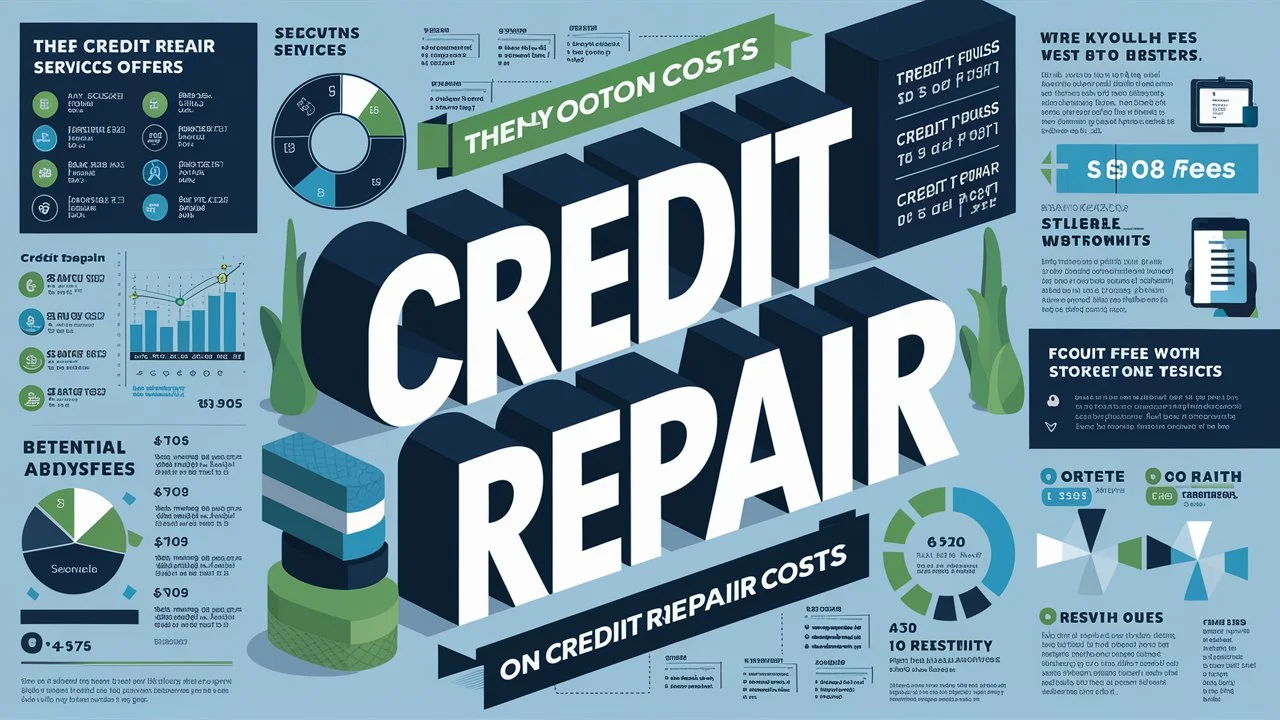
Understanding the cost of credit repair is crucial for anyone looking to improve their financial standing. This guide breaks down the typical expenses involved, from do-it-yourself methods to professional services, empowering you to make informed decisions for a healthier credit future in 2025.
Understanding Credit Repair Costs
The question "How much does it cost to repair your credit?" doesn't have a single, straightforward answer. The expense can range from virtually nothing for a do-it-yourself approach to several hundred or even thousands of dollars for professional services. The primary driver of cost is the method you choose and the complexity of your credit issues. In 2025, the market offers a spectrum of solutions, each with its own financial implications. Understanding these options is the first step toward achieving your credit goals without overspending.
Credit repair isn't a one-size-fits-all service. It involves a process of identifying and disputing inaccuracies on your credit reports, negotiating with creditors, and implementing strategies to build positive credit history. The time and effort, or the fees paid to a professional, directly correlate with the cost. For instance, simple errors might be rectifiable with minimal effort, while significant issues like identity theft or prolonged periods of default could require more extensive and costly interventions.
It's important to distinguish between legitimate credit repair services and predatory schemes. Reputable services will be transparent about their fees and processes, while scams often promise unrealistic results for upfront payments. By understanding the typical cost structures and what constitutes fair pricing, consumers can better navigate the credit repair landscape and avoid falling victim to fraudulent operations. This comprehensive guide aims to demystify these costs, providing you with the knowledge to make an informed decision in 2025.
Factors Influencing Credit Repair Expenses
Several key factors determine the overall cost of repairing your credit. These elements can significantly impact whether you lean towards a DIY approach or opt for professional assistance, and they dictate the pricing models employed by credit repair companies.
Complexity of Credit Issues
The severity and nature of the negative items on your credit report are primary cost drivers. Simple errors, such as incorrect personal information or minor inaccuracies in account details, are generally easier and cheaper to resolve. However, if your credit report contains more significant issues like:
- Late payments that are several years old
- Accounts in collections
- Charge-offs
- Bankruptcies
- Judgments or liens
- Identity theft incidents
These complex issues often require more time, expertise, and potentially legal intervention, leading to higher repair costs. The more disputes and negotiations involved, the greater the expense.
Number of Negative Items
The sheer volume of negative items on your credit report directly influences the cost. Each inaccurate or negative item typically needs to be addressed individually. A credit report with one or two minor errors will cost far less to repair than one with a dozen significant negative marks across multiple accounts. Credit repair companies often charge per item disputed or have tiered pricing based on the number of items they need to address.
Credit Repair Method Chosen
As discussed, the method you choose is a major determinant of cost.
- DIY Credit Repair: This involves you taking the reins, which primarily incurs costs for postage, certified mail, credit monitoring services, and potentially credit report fees. The labor is your own time.
- Credit Repair Companies: These services charge fees for their expertise, time, and resources. Fees can be structured in various ways, including monthly retainers, per-item fees, or success-based fees (though the latter is less common and regulated).
- Credit Counseling Agencies: Non-profit credit counseling agencies may offer lower-cost or free services for debt management plans, which can indirectly help repair credit by establishing a structured repayment plan. Their costs are usually minimal or based on ability to pay.
Timeframe for Repair
While credit repair is not an overnight process, some methods might promise faster results, often at a higher price. Be wary of services guaranteeing rapid fixes, as legitimate credit repair takes time. The longer the process takes due to the complexity of your case, the more you might end up paying, especially with monthly retainer fees from professional services.
Additional Services
Some credit repair companies offer bundled services, such as debt negotiation, debt settlement, or financial education. While these can be beneficial, they often come with additional fees. It's important to understand what is included in the base credit repair package and what constitutes an add-on service with extra charges.
Credit Monitoring Services
Most credit repair processes, whether DIY or professional, benefit from ongoing credit monitoring. This allows you to track your progress, identify new errors quickly, and stay informed about changes to your credit report. While not strictly a repair cost, it's an essential accompanying expense, typically ranging from $15 to $40 per month in 2025.
DIY Credit Repair: The Budget-Friendly Approach
For individuals with the time, patience, and determination, repairing credit on your own can be the most cost-effective method. The primary investment here is your time and effort, with minimal out-of-pocket expenses. In 2025, the tools and resources available for DIY credit repair are more accessible than ever.
Essential Costs for DIY Credit Repair
The costs associated with a DIY approach are generally limited to the following:
- Obtaining Your Credit Reports: You are entitled to one free credit report from each of the three major credit bureaus (Equifax, Experian, and TransUnion) every 12 months through AnnualCreditReport.com. However, if you need more frequent access or want reports from other sources, there might be a small fee, typically $1 to $2 per report, or bundled packages for around $30-$50.
- Postage and Certified Mail: When you dispute information with credit bureaus or creditors, sending your dispute letters via certified mail with a return receipt requested is highly recommended. This provides proof of mailing and delivery. Expect to spend approximately $7-$10 per letter for postage and certified mail fees. If you have multiple disputes, this cost can add up.
- Credit Monitoring Services: While not mandatory, subscribing to a credit monitoring service is invaluable for DIYers. It alerts you to changes on your credit report, helps you track progress, and can identify new inaccuracies promptly. Many services offer free trials, but paid plans in 2025 typically range from $15 to $40 per month. Some may offer annual discounts.
- Educational Resources: While many resources are free online (like government consumer protection sites and reputable financial blogs), some individuals might opt for paid credit repair guides or courses. These can range from $20 to $200, but are generally optional.
Estimated DIY Cost Range
For a typical DIY credit repair effort involving a few disputes and ongoing monitoring, you could expect to spend anywhere from $0 to $500 over a period of 6-12 months. This assumes you leverage free credit reports and focus on essential expenses like postage and monitoring. If you need to purchase additional credit reports or opt for more premium monitoring services, the upper end of this range could increase.
Pros and Cons of DIY Credit Repair
- Pros:
- Significantly lower cost compared to professional services.
- Full control over the process and communication.
- Develops valuable financial literacy and understanding of credit.
- Cons:
- Time-consuming and can be mentally taxing.
- Requires a thorough understanding of consumer protection laws (like the FCRA).
- Mistakes in the dispute process can delay or hinder repair efforts.
- May not be suitable for individuals with very complex or extensive credit issues.
The DIY approach is best suited for individuals who have a relatively straightforward credit report with a few clear inaccuracies and who are willing to dedicate time to learning and executing the process themselves.
Professional Credit Repair Services: What to Expect
When DIY methods seem overwhelming or ineffective, professional credit repair services offer expertise and a structured approach to improving your credit score. These companies charge fees for their services, which can vary widely based on their pricing models and the scope of work required. In 2025, understanding these fee structures is crucial to avoid unexpected expenses.
Common Fee Structures for Credit Repair Companies
Credit repair companies typically employ one or a combination of the following fee structures:
- Monthly Retainer Fees: This is the most common model. You pay a fixed fee each month for the services rendered. These fees can range from $50 to $150 per month. This fee usually covers the ongoing work of disputing items, communicating with bureaus and creditors, and providing credit monitoring. The total cost can accumulate over time, often ranging from $500 to $2,000 or more, depending on how long the repair process takes.
- Per-Item Fees: Some companies charge a fee for each negative item they successfully dispute or remove from your credit report. This can range from $50 to $200 per item. While this might seem appealing if you have only a few items, it can become very expensive if you have numerous issues.
- Setup or Initial Fees: Many services charge an upfront fee to cover the initial analysis of your credit reports, setting up your account, and developing your personalized credit repair plan. These fees can range from $50 to $300.
- Success-Based Fees: While less common and regulated in some areas, some services might charge a fee only after a specific negative item is removed or an account is corrected. This model is often more transparent but can be more expensive overall.
Average Cost of Professional Credit Repair in 2025
Based on industry trends and current offerings, the average cost for professional credit repair services in 2025 typically falls within the following range:
- Initial Setup Fee: $50 - $300
- Monthly Service Fee: $50 - $150
- Total Cost (over 6-12 months): $600 - $2,000+
It's important to note that these are averages. Complex cases involving extensive credit damage, multiple bankruptcies, or identity theft could potentially incur higher costs. Conversely, simpler cases might be resolved more quickly and thus cost less.
What's Typically Included in Professional Services?
Reputable credit repair companies usually offer a comprehensive suite of services designed to address your credit issues:
- In-depth Credit Report Analysis: Reviewing your reports from all three bureaus to identify inaccuracies, outdated information, and potential errors.
- Dispute Letter Generation: Drafting and sending dispute letters to credit bureaus and creditors on your behalf, adhering to FCRA guidelines.
- Negotiation with Creditors: Sometimes, they may negotiate with creditors for goodwill adjustments or settlements, though this is more common in debt settlement services.
- Credit Monitoring: Most services include credit monitoring as part of their package, allowing you to track progress and stay informed.
- Guidance and Education: Providing advice on how to manage credit responsibly and build a positive credit history moving forward.
Choosing a Reputable Credit Repair Company
When selecting a professional service, prioritize transparency, a clear understanding of their fees, and a good track record. Look for companies that:
- Are registered with the Consumer Financial Protection Bureau (CFPB).
- Do not charge upfront fees before any work is done (this is illegal in many jurisdictions).
- Offer a clear contract outlining services, fees, and cancellation policies.
- Have positive reviews and testimonials from satisfied clients.
- Avoid making guarantees of specific score increases or item removals, as these are often unrealistic.
A thorough comparison of different services and their offerings is essential to find the best fit for your financial situation and credit repair goals.
Comparing Credit Repair Options
Deciding between DIY credit repair and professional services involves weighing costs, time commitment, and the complexity of your credit situation. In 2025, the landscape offers distinct advantages and disadvantages for each approach, making a direct comparison crucial for informed decision-making.
DIY vs. Professional Services: A Cost-Benefit Analysis
| Feature | DIY Credit Repair | Professional Credit Repair |
|---|---|---|
| Estimated Cost (6-12 months) | $0 - $500 | $600 - $2,000+ |
| Time Commitment | High (Requires significant personal effort) | Low (Company handles most of the work) |
| Expertise Required | Self-taught (Needs research on FCRA, dispute processes) | Provided by professionals (Experienced in credit law and dispute tactics) |
| Control Over Process | Full control | Limited control (Company manages communication) |
| Speed of Results | Variable (Can be slow if mistakes are made) | Variable (Depends on complexity, but often systematic) |
| Best For | Individuals with simple errors, limited budget, and time. | Individuals with complex issues, limited time, or who prefer expert handling. |
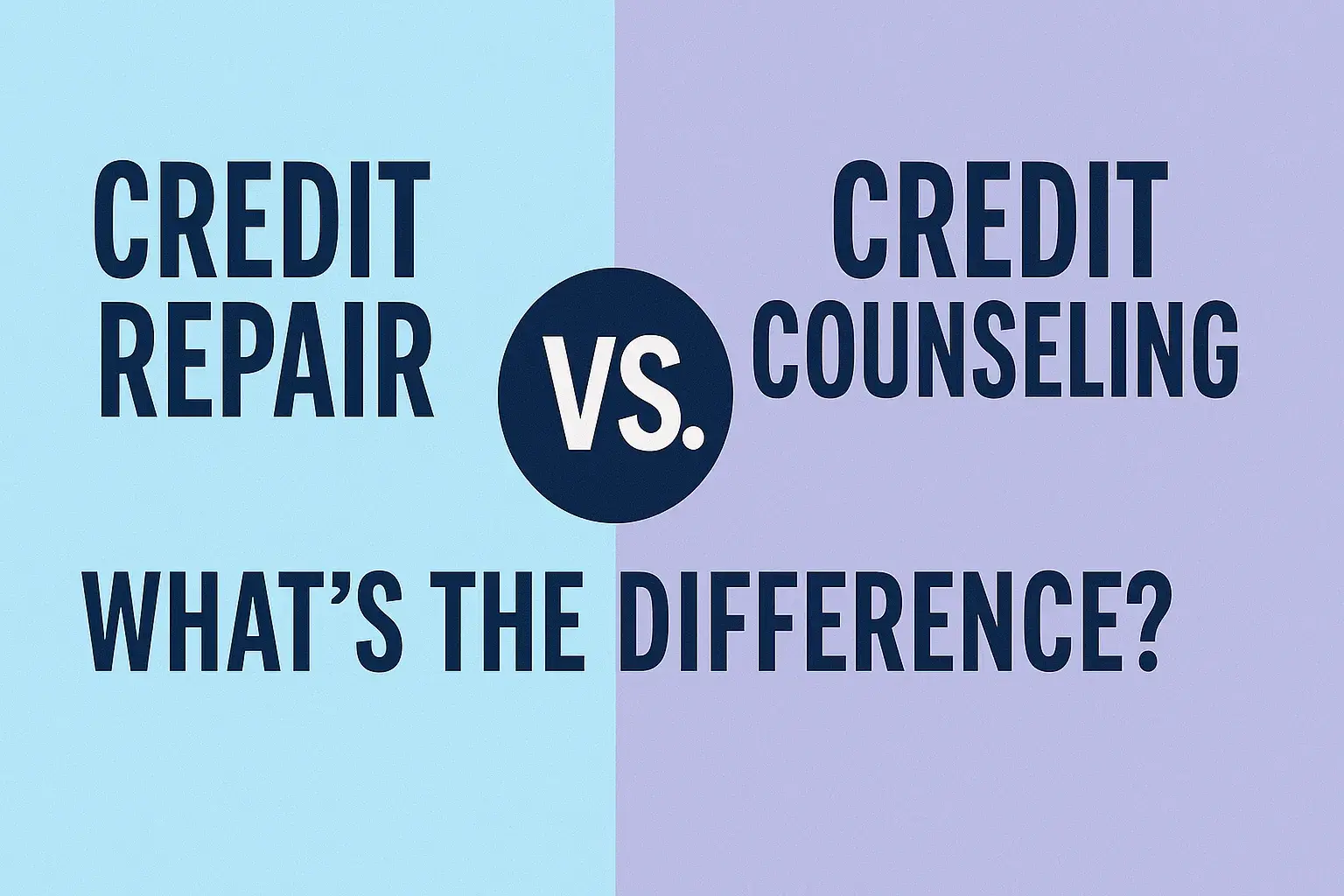
Credit Counseling vs. Credit Repair Companies
It's important to differentiate between credit repair companies and non-profit credit counseling agencies. While both aim to help consumers manage their finances, their methods and costs differ significantly:
- Credit Repair Companies: Focus on disputing inaccuracies on credit reports. They charge fees for this service.
- Credit Counseling Agencies (Non-Profit): Focus on debt management, budgeting, and financial education. They often offer Debt Management Plans (DMPs) where they negotiate with creditors for lower interest rates and consolidated payments. Their fees are typically much lower than credit repair companies, and some services may be free or sliding-scale based on income. While DMPs can improve credit over time by ensuring timely payments, they do not directly dispute errors on credit reports.
If your primary goal is to remove inaccuracies, a credit repair company is more direct. If your main concern is overwhelming debt and managing payments, a credit counselor might be a better first step. Some individuals may benefit from using both services sequentially or in parallel, depending on their specific financial challenges.
What About Credit Monitoring Services?
Credit monitoring services are an essential companion to any credit repair strategy, whether DIY or professional. They provide real-time alerts about changes to your credit report, including new inquiries, new accounts, and any changes in your credit score. In 2025, these services typically cost between $15 and $40 per month. While not a direct repair cost, they are crucial for:
- Tracking the progress of your credit repair efforts.
- Detecting new fraudulent activity or errors promptly.
- Understanding the impact of your actions on your credit score.
Many credit repair companies include credit monitoring in their monthly fees, so it's important to clarify whether this is an additional cost or part of the package.
Evaluating the Return on Investment (ROI)
The "cost" of credit repair should be viewed as an investment. A higher credit score can lead to:
- Lower interest rates on loans (mortgages, auto loans, personal loans).
- Reduced insurance premiums.
- Easier approval for rentals and utilities without security deposits.
- Improved job prospects (some employers check credit).
For example, a lower mortgage interest rate on a $300,000 loan could save you tens of thousands of dollars over 30 years. Therefore, spending $1,000-$2,000 on effective credit repair could yield significant long-term financial benefits, making it a worthwhile investment for many.
Hidden Costs and Red Flags to Watch For
Navigating the world of credit repair can be fraught with hidden costs and deceptive practices. Being aware of these potential pitfalls is crucial to avoid overspending and protect yourself from fraudulent operations in 2025. Reputable services are transparent, while those with hidden agendas often employ misleading tactics.
Common Hidden Costs
Beyond the advertised fees, several less obvious costs can add up:
- Excessive Upfront Fees: While initial setup fees are common, excessively high upfront charges before any work is performed are a major red flag. The Credit Repair Organizations Act (CROA) restricts charging fees before services are rendered.
- Bundled Services You Don't Need: Some companies may push unnecessary add-on services like debt settlement or credit building loans. While these might have their place, ensure they are genuinely beneficial to your situation and that their costs are clearly itemized.
- Mandatory Credit Monitoring: While beneficial, some companies might require you to use their specific, often more expensive, credit monitoring service, rather than allowing you to use a cheaper alternative you might already have.
- Fees for Information You Can Get for Free: Some less scrupulous services might charge you for credit reports or scores that you can legally obtain for free through channels like AnnualCreditReport.com.
- Unclear Cancellation Policies: Hidden fees can also arise from difficulty in canceling services. If a company makes it hard to cancel, you might continue to be billed.
Red Flags of Fraudulent or Ineffective Services
Be extremely cautious if a credit repair company exhibits any of the following behaviors:
- Guarantees of Specific Results: No legitimate credit repair service can guarantee the removal of accurate negative information or a specific credit score increase. The credit bureaus and creditors have legal rights regarding reporting accurate information.
- Requests for Payment Before Services are Rendered: As mentioned, this is a major violation of the CROA and a strong indicator of a scam.
- Lack of Transparency in Fees: If a company is vague about their pricing structure, what services are included, and what the total potential cost might be, walk away.
- Unrealistic Promises: Claims of "cleaning your credit" or removing all negative information quickly are often too good to be true.
- Asking You to Vacate a Debt: Legitimate services do not advise you to stop paying your bills or to dispute debts you know are valid.
- No Physical Address or Contact Information: A legitimate business should have a verifiable physical address and clear contact details.
- High-Pressure Sales Tactics: Companies that pressure you into signing up immediately without giving you time to consider your options may be hiding something.
- Lack of a Written Contract: Always insist on a detailed written contract that outlines all terms, conditions, fees, and cancellation policies.
How to Protect Yourself
To safeguard your finances and credit:
- Do Your Research: Thoroughly investigate any company you consider. Check reviews, look for complaints with the Better Business Bureau (BBB) and the Consumer Financial Protection Bureau (CFPB).
- Understand the Law: Familiarize yourself with the Credit Repair Organizations Act (CROA) and your rights under the Fair Credit Reporting Act (FCRA).
- Read the Contract Carefully: Before signing anything, read every word. If you don't understand something, ask for clarification or seek legal advice.
- Never Pay for Information You Can Get for Free: Utilize AnnualCreditReport.com for your free credit reports.
- Consult with Non-Profit Credit Counselors: For debt management issues, non-profit credit counseling agencies are often a more affordable and trustworthy resource.
- Trust Your Gut: If something feels off about a company or their promises, it's best to err on the side of caution.
By staying vigilant and informed, you can avoid costly mistakes and ensure that your investment in credit repair is well-spent.
Maximizing Your Credit Repair Investment
Investing in credit repair, whether through DIY efforts or professional services, is a significant financial decision. To ensure you get the most value from your investment in 2025, it's crucial to adopt a strategic approach that goes beyond just disputing errors. This involves understanding how credit scoring works, building positive habits, and continuously monitoring your progress.
1. Understand Your Credit Score and How It's Calculated
A core component of maximizing your credit repair investment is understanding the factors that influence your credit score. The most common scoring models, like FICO and VantageScore, weigh several categories:
- Payment History (35%): Consistently paying bills on time is the most critical factor.
- Amounts Owed (30%): Keeping credit utilization low (ideally below 30% of your credit limit) is vital.
- Length of Credit History (15%): Older accounts generally have a positive impact.
- Credit Mix (10%): Having a variety of credit types (e.g., credit cards, installment loans) can be beneficial.
- New Credit (10%): Opening too many new accounts in a short period can lower your score.
Knowing this breakdown helps you focus your efforts on the areas that will yield the greatest improvements, making your repair efforts more efficient.
2. Implement Positive Credit Habits Consistently
Credit repair isn't just about removing negative items; it's also about building positive ones. Once inaccuracies are addressed, focus on these habits:
- Pay All Bills On Time, Every Time: Set up automatic payments or reminders for all your financial obligations.
- Reduce Credit Utilization: Pay down credit card balances. Aim to keep your utilization ratio below 30% for each card and overall.
- Avoid Opening Too Many New Accounts: Only apply for credit when you genuinely need it.
- Keep Old Accounts Open: If possible, keep older, unused credit cards open to maintain a longer average credit history, provided they don't have high annual fees.
- Use Credit Responsibly: Make small, regular purchases on a credit card and pay them off immediately to show responsible usage.
3. Leverage Credit Monitoring Services Effectively
As mentioned, credit monitoring is an essential tool. To maximize its value:
- Review Alerts Promptly: Don't ignore notifications. Investigate any changes or alerts immediately.
- Track Your Score Changes: Most services provide credit score tracking. Monitor how your score fluctuates and identify which actions have the most positive impact.
- Use Score Simulators: Some services offer tools that simulate how certain actions (like paying off a debt) might affect your score.
4. Consider Credit Counseling for Debt Management
If significant debt is a primary driver of your credit issues, a reputable non-profit credit counseling agency can be a valuable part of your investment. They can help you:
- Create a realistic budget.
- Negotiate with creditors for lower interest rates or payment plans.
- Establish a Debt Management Plan (DMP) that can improve your payment history over time.
While not directly "credit repair," managing debt effectively is foundational to a healthy credit profile.
5. Be Patient and Persistent
Credit repair is a marathon, not a sprint. Legitimate improvements take time. The average credit repair process can take anywhere from 6 to 24 months, depending on the complexity of the issues. Celebrate small victories, such as the removal of an inaccurate item or a modest score increase, and stay committed to your plan. Persistence is key to long-term financial health.
6. Negotiate with Creditors When Possible
For accounts that are past due or in collections, explore negotiation options. Sometimes, creditors or collection agencies may be willing to settle for less than the full amount owed, or agree to remove negative marks in exchange for payment. While credit repair companies may assist with this, you can also attempt negotiations yourself.
7. Seek Professional Advice for Complex Situations
If you are dealing with identity theft, significant financial hardship, or complex legal judgments, consider consulting with a qualified financial advisor or an attorney specializing in consumer law. While these services may incur higher costs, they can be essential for resolving severe issues and ensuring your rights are protected.
By integrating these strategies, you can ensure that every dollar and hour spent on credit repair yields the maximum possible benefit, leading to a stronger credit score and improved financial well-being.
Conclusion: Making the Right Choice
The cost to repair your credit in 2025 is a variable figure, influenced by the chosen method, the complexity of your credit report, and the services you utilize. Whether you opt for the budget-friendly DIY approach, which primarily costs your time and minimal fees for postage and monitoring, or invest in professional credit repair services ranging from $600 to over $2,000, understanding the value proposition is key. Credit counseling offers a different, often lower-cost, path focused on debt management. Ultimately, the most significant cost is often inaction.
To maximize your investment, focus on understanding credit scoring, consistently practicing positive financial habits, and leveraging credit monitoring tools effectively. Be vigilant against hidden fees and red flags that signal fraudulent operations. The decision between DIY and professional help hinges on your personal circumstances—your available time, budget, and the severity of your credit issues. By making an informed choice and committing to the process, you can effectively repair your credit, unlock better financial opportunities, and build a more secure future.