How Repair My Credit?
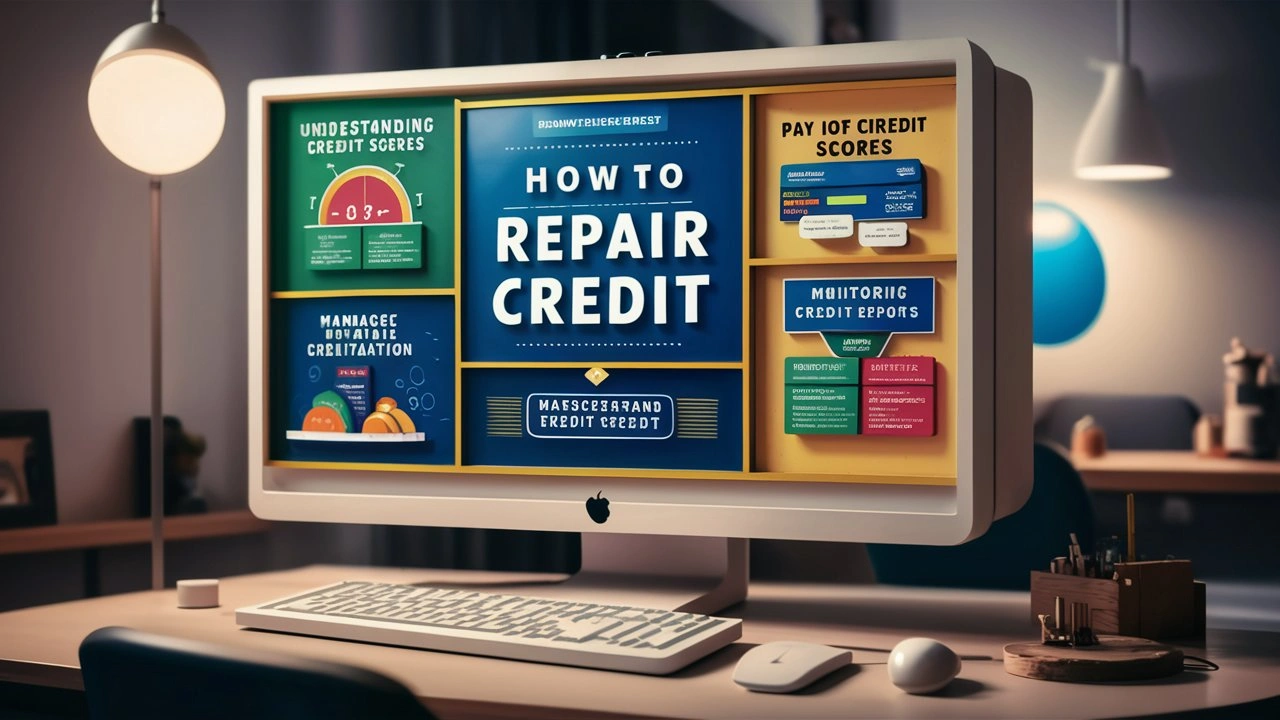
Facing credit challenges can feel overwhelming, but understanding "how to repair my credit" is the first step towards financial freedom. This comprehensive guide will equip you with actionable strategies, current 2025 insights, and a clear roadmap to rebuild a stronger credit profile, empowering you to achieve your financial goals.
Understanding Credit Scores and Their Importance
In 2025, your credit score remains a pivotal factor in your financial life. It's a three-digit number, typically ranging from 300 to 850, that lenders use to assess your creditworthiness – essentially, how likely you are to repay borrowed money. A higher score signifies lower risk, opening doors to better loan terms, lower interest rates, and even easier approval for rentals and some jobs. Understanding how credit scores are calculated is the foundational step in learning how to repair my credit effectively. The most common scoring models, like FICO and VantageScore, consider several key factors, each weighted differently.
The Key Factors Influencing Your Credit Score
While specific algorithms vary, the core components remain consistent across major scoring models. Knowing these will help you prioritize your efforts when aiming to improve your credit.
- Payment History (35%): This is the most significant factor. Consistently paying your bills on time, every time, is paramount. Late payments, missed payments, and defaults can severely damage your score.
- Amounts Owed (30%): This refers to your credit utilization ratio – the amount of credit you're using compared to your total available credit. Keeping this ratio low, ideally below 30%, is crucial. High utilization suggests you might be overextended.
- Length of Credit History (15%): The longer you've had credit accounts open and in good standing, the better. This demonstrates a history of responsible credit management over time.
- Credit Mix (10%): Having a mix of different types of credit, such as credit cards, installment loans (like mortgages or auto loans), can be beneficial. It shows you can manage various credit products responsibly.
- New Credit (10%): Opening many new credit accounts in a short period can negatively impact your score. It can signal financial distress or increased risk.
Why Your Credit Score Matters in 2025
The impact of your credit score extends far beyond just securing loans. In today's financial landscape, a strong credit score can offer significant advantages:
- Lower Interest Rates: This is perhaps the most tangible benefit. A higher score can save you thousands of dollars over the life of a mortgage, auto loan, or personal loan. For instance, a borrower with a score of 780 might qualify for an interest rate of 5.5% on a 30-year mortgage, while someone with a score of 650 might face rates of 7.5% or higher. This difference can translate to tens of thousands in saved interest.
- Easier Loan and Credit Card Approvals: Lenders are more willing to extend credit to individuals with proven track records of responsible repayment.
- Better Insurance Premiums: In many states, insurance companies use credit-based insurance scores to determine premiums for auto and homeowners insurance. A better score can lead to lower insurance costs.
- Rental Applications: Landlords frequently check credit reports to assess the reliability of potential tenants. A good score can make it easier to secure your desired apartment or home.
- Employment Opportunities: Some employers, particularly in financial or security-sensitive roles, may review credit reports as part of their background checks.
Understanding these factors is the first step in answering the question, "How to repair my credit?" By focusing on the areas that have the most significant impact, you can direct your efforts for maximum improvement.
Identifying What's Hurting Your Credit
Before you can effectively repair your credit, you need to pinpoint the specific issues that are dragging your score down. This diagnostic phase is critical. It involves obtaining your credit reports from the major credit bureaus and carefully reviewing them for inaccuracies and negative information.
How to Obtain Your Credit Reports
Under federal law, you are entitled to a free credit report from each of the three major credit bureaus – Equifax, Experian, and TransUnion – once every 12 months. The official source for these free reports is AnnualCreditReport.com. It's highly recommended to stagger your requests throughout the year, obtaining one report every four months, to monitor your credit continuously.
In 2025, the process remains straightforward:
- Visit AnnualCreditReport.com.
- Provide the necessary personal information to verify your identity.
- Request your reports from Equifax, Experian, and TransUnion.
- Download and save your reports for thorough review.
Many credit monitoring services also offer access to your credit reports and scores, often with additional tools and alerts, though these may come with a subscription fee.
Common Culprits of Low Credit Scores
Once you have your reports, look for the following common issues that negatively impact credit scores:
- Late Payments: Any payment made more than 30 days past its due date will be reported to the credit bureaus and can significantly lower your score. The longer the delay (60, 90, 120+ days), the more severe the impact.
- High Credit Utilization: If your balances on credit cards are close to their limits, this signals high risk. For example, carrying a $4,000 balance on a card with a $5,000 limit results in an 80% utilization ratio, which is detrimental.
- Collections Accounts: If a debt has been sent to a collection agency, it will appear on your report and severely damage your score.
- Charge-offs: This occurs when a lender has determined that a debt is unlikely to be collected and writes it off as a loss. It's a severe negative mark.
- Bankruptcies: A bankruptcy filing is one of the most damaging events for a credit score, remaining on your report for seven to ten years.
- Foreclosures and Repossessions: These indicate a failure to meet significant financial obligations.
- Judgments: Legal judgments against you for unpaid debts will appear on your credit report.
- Errors and Inaccuracies: It's crucial to check for mistakes. Incorrect personal information, accounts that aren't yours, or incorrect payment statuses can all be present.
Analyzing Your Credit Reports for Actionable Insights
When reviewing your reports, take a systematic approach:
- Personal Information: Verify your name, address, Social Security number, and employment history. Any discrepancies should be disputed.
- Account Status: Check the payment history for each account. Look for any late payments, delinquencies, or accounts marked as in collections or charged off.
- Credit Inquiries: Note any recent "hard inquiries," which occur when you apply for credit. Too many can lower your score. Soft inquiries (like those for pre-approved offers or background checks) do not affect your score.
- Public Records: Look for bankruptcies, judgments, or liens.
- Balances and Limits: Calculate your credit utilization for each revolving account (credit cards) and overall.
This detailed analysis forms the bedrock of your credit repair strategy. By understanding precisely what’s wrong, you can then implement targeted solutions to answer the question, "How to repair my credit?" effectively.
Essential Steps to Repair Your Credit
Repairing credit is a marathon, not a sprint. It requires patience, diligence, and a strategic approach. The following steps are fundamental to rebuilding a strong credit profile and achieving financial stability.
Step 1: Obtain and Review Your Credit Reports
As detailed in the previous section, this is the non-negotiable first step. You cannot fix what you do not understand. Get your free reports from Equifax, Experian, and TransUnion via AnnualCreditReport.com.
Step 2: Dispute Errors and Inaccuracies
Credit reports are not infallible. Errors can and do occur. If you find any inaccuracies, such as incorrect late payments, accounts that don't belong to you, or wrong balances, you must dispute them.
- Gather Evidence: Collect any documentation that supports your claim (e.g., proof of payment, account statements).
- Contact the Credit Bureaus: You can file disputes online, by mail, or by phone with each credit bureau. The Fair Credit Reporting Act (FCRA) requires bureaus to investigate your dispute within 30 days (or 45 days if you provide additional information after the initial filing).
- Contact the Creditor: It's often beneficial to also contact the creditor or data furnisher directly to resolve the issue.
Correcting errors can lead to a significant and immediate boost in your credit score.
Step 3: Pay Down High-Interest Debt and Credit Card Balances
High credit utilization is a major score killer. Aim to reduce your balances, especially on high-interest credit cards.
- Prioritize High-Interest Debt (Debt Avalanche): Focus on paying off the card with the highest interest rate first, while making minimum payments on others. This saves you the most money on interest over time.
- Prioritize Smallest Balances (Debt Snowball): Some people prefer paying off the smallest balance first, regardless of interest rate, for psychological wins.
- Negotiate with Creditors: If you're struggling to make payments, contact your creditors. They may be willing to offer a hardship plan, lower interest rates, or a settlement.
Reducing your credit utilization ratio to below 30% (and ideally below 10%) is a critical goal.
Step 4: Make All Payments On Time, Every Time
Payment history is the single most important factor in your credit score. Even one late payment can have a substantial negative impact.
- Set Up Automatic Payments: For recurring bills, automate payments to ensure they are never missed.
- Use Calendar Reminders: Set reminders a few days before due dates.
- Pay at Least the Minimum: If you can't pay the full balance, always pay at least the minimum amount due by the deadline to avoid a late payment mark.
Step 5: Avoid Opening New Credit Accounts Unnecessarily
While building credit history is important, opening too many new accounts in a short period can hurt your score due to hard inquiries and a shorter average account age. Only apply for credit when you genuinely need it.
Step 6: Consider a Secured Credit Card or Credit-Builder Loan
If you have a very poor credit history or no credit history, these tools can help you establish positive payment behavior.
- Secured Credit Card: Requires a cash deposit that usually equals your credit limit. Your spending history is reported to the bureaus.
- Credit-Builder Loan: You make payments on a loan that is held in an account. Once you've paid it off, you receive the funds. Your payment history is reported.
These options provide a structured way to demonstrate responsible credit management.
By diligently following these essential steps, you lay a robust foundation for credit repair. The key is consistency and a proactive approach to managing your finances.
Strategies for Improving Your Credit Reports
Beyond the foundational steps, several strategic approaches can accelerate your credit repair journey and lead to a stronger credit profile. These methods focus on optimizing the factors that influence your credit score.
Optimizing Credit Utilization Ratio (CUR)
As mentioned, CUR is a major driver of your score. Here’s how to keep it low:
- Pay Down Balances: The most direct method. Aim to pay down credit card balances significantly.
- Increase Credit Limits: Request a credit limit increase from your existing credit card issuers. If approved, your CUR will decrease without you spending more money. Be cautious, as some issuers may perform a hard inquiry for this.
- Spread Out Spending: If you have multiple credit cards, try to distribute your spending across them rather than maxing out one.
- Pay Before the Statement Closing Date: Your credit utilization is typically reported to the bureaus based on your balance on the statement closing date. Paying down your balance before this date can result in a lower reported utilization, even if you use the card again before the due date.
Example: If you have a credit card with a $5,000 limit and a $4,000 balance, your CUR is 80%. If you pay it down to $1,500 before the statement closing date, your CUR drops to 30%, which is much more favorable for your score.
The Power of Credit Mix
While not as impactful as payment history or utilization, having a healthy mix of credit types can positively influence your score. This includes:
- Revolving Credit: Credit cards, lines of credit.
- Installment Loans: Mortgages, auto loans, student loans, personal loans.
If you only have credit cards, consider taking out a small, manageable installment loan (like a credit-builder loan) and making consistent, on-time payments. However, do not take on debt you don't need solely for the sake of credit mix.
Managing New Credit and Inquiries
Applying for multiple credit accounts in a short period can signal risk to lenders and negatively impact your score.
- Space Out Applications: If you need to apply for new credit, do so strategically, spacing out applications over several months.
- Understand Hard vs. Soft Inquiries: Hard inquiries occur when you apply for credit and can lower your score by a few points. Soft inquiries (e.g., checking your own credit, pre-approved offers) do not affect your score.
Negotiating with Creditors and Collection Agencies
For accounts that are past due or in collections, negotiation can be a powerful tool.
- Settlement Offers: You may be able to negotiate a settlement for less than the full amount owed, especially for older debts. Get any settlement agreement in writing before making a payment. Note that a settled debt may still appear on your report but will be marked as settled, which is better than unpaid.
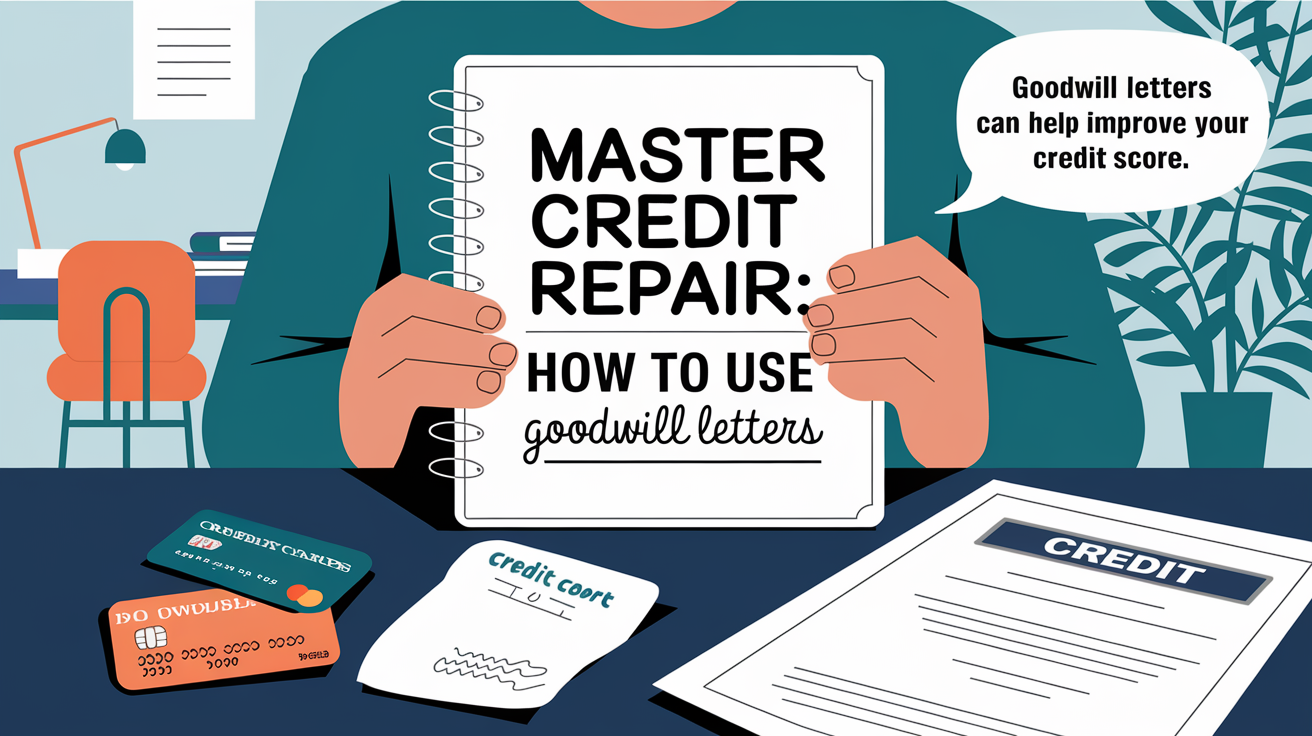
- Goodwill Adjustments: If you have a history of on-time payments with a particular creditor and have a single recent late payment, you can write a "goodwill letter" requesting they remove the late payment mark as a courtesy. This is not guaranteed but can sometimes work.
Building a Positive Payment History on New Accounts
For those using secured credit cards or credit-builder loans, consistent, on-time payments are essential.
- Treat Them Like Real Credit: Use secured cards for small, planned purchases that you can pay off immediately.
- Make Timely Payments: Always pay at least the minimum by the due date.
These strategies, when implemented consistently, contribute significantly to improving your credit reports and, consequently, your credit score.
Dealing with Negative Items on Your Credit Report
Negative items on your credit report can be daunting, but understanding how to address them is crucial for effective credit repair. Each type of negative item has specific strategies for management and potential removal.
Late Payments and Delinquencies
These are among the most common negative marks.
- Time Heals: The most straightforward way to mitigate late payments is to wait. Their impact lessens over time, and they typically fall off your report after seven years.
- Goodwill Letters: As mentioned, if you have a good relationship with the creditor and the late payment is an isolated incident, you can try writing a goodwill letter.
- Dispute if Inaccurate: If a late payment was reported in error, dispute it immediately with the credit bureau and the creditor.
Collections Accounts
When a debt is sent to collections, it significantly damages your score.
- Validate the Debt: Before paying anything, send a debt validation letter to the collection agency within 30 days of their initial contact. This requires them to prove they own the debt and have the right to collect it.
- Negotiate a Pay-for-Delete: This is a powerful strategy. You offer to pay a portion of the debt (or the full amount) in exchange for the collection agency agreeing to remove the collection account entirely from your credit report. Get this agreement in writing *before* you pay. While not all agencies will agree, it's worth trying.
- Pay the Debt: If pay-for-delete isn't possible, paying the debt is still beneficial. It will be updated to "paid collection," which is less damaging than an unpaid one.
Note: Even if you pay off a collection account, it will still remain on your report for seven years from the original delinquency date.
Charge-Offs
A charge-off means the lender has given up on collecting the debt and written it off as a loss.
- Negotiate a Settlement: You can often negotiate a settlement for less than the full amount owed. A settled charge-off is better than an unpaid one.
- Timeframe: Like collections, charge-offs remain on your report for seven years from the original delinquency date.
Bankruptcies
Bankruptcies are severe negative items with long-lasting effects.
- Chapter 7: Typically remains on your report for 10 years.
- Chapter 13: Typically remains on your report for 7 years, but can stay up to 10 years depending on the case.
There is generally no way to remove a legitimate bankruptcy from your report before its statutory period expires. The focus here is on rebuilding credit *around* the bankruptcy.
Foreclosures and Repossessions
These indicate a failure to meet significant financial obligations.
- Timeframe: These also typically remain on your report for seven years from the original delinquency date.
- Rebuilding: The primary strategy is to demonstrate responsible credit behavior through other accounts after these events.
Disputing Inaccurate Negative Information
This is a critical strategy for *all* negative items. If any negative information on your report is incorrect, you have the right to dispute it.
- Documentation is Key: Provide proof that the information is wrong (e.g., payment records, account statements, identity theft affidavits).
- Follow Up: If the bureau doesn't correct the error after the investigation, you can file a complaint with the Consumer Financial Protection Bureau (CFPB).
Understanding Statute of Limitations
While negative items remain on your credit report for a set period (usually seven years), the statute of limitations for debt collection varies by state. This statute dictates how long a creditor or collector can legally sue you to collect a debt. It does *not* affect how long the debt stays on your credit report.
Addressing negative items requires a clear understanding of their nature and your rights. For accurate negative items, the focus shifts to time and demonstrating positive financial behavior. For inaccurate ones, diligent dispute is the path forward.
Building a Positive Credit History for the Future
Once you've addressed negative items and started improving your credit, the focus shifts to building a robust, positive credit history that will serve you well for years to come. This is about establishing a track record of responsible financial behavior.
Leveraging Credit-Building Tools
For individuals with limited credit history or those recovering from past issues, specific tools are invaluable:
- Secured Credit Cards: These are excellent for starting fresh. Use them for small, planned purchases (e.g., gas, groceries) and pay the balance in full each month. This demonstrates consistent, on-time payments and low utilization. Many issuers convert secured cards to unsecured ones after a period of responsible use.
- Credit-Builder Loans: These small loans are designed to help you build credit. You make payments over a set term, and the loan amount is released to you upon completion. This showcases your ability to manage installment debt.
- Authorized User Status: If a trusted friend or family member with excellent credit adds you as an authorized user on their long-standing, low-utilization credit card, their positive history can reflect on your report. However, be aware that if they miss payments or run up balances, it can hurt you too. Ensure you trust their financial habits implicitly.
- Rent and Utility Reporting Services: Services like Experian Boost, RentReporters, or LevelCredit allow you to have your on-time rent, utility, and streaming service payments added to your credit report. While not universally adopted by all scoring models, they can provide a small boost, especially for those with thin credit files.
Responsible Credit Card Management
For existing or new credit cards, responsible management is key:
- Keep Balances Low: Always strive to keep your credit utilization ratio below 30%, and ideally below 10%.
- Pay On Time: This cannot be stressed enough. Set up reminders or auto-pay to ensure you never miss a due date.
- Avoid Maxing Out Cards: Even if you pay it off quickly, consistently maxing out cards can negatively impact your score.
- Hold Onto Old Accounts: If you have older credit cards with no annual fee and no debt, consider keeping them open. The length of your credit history is a factor, and closing old accounts can shorten your average account age and increase your overall utilization.
Managing Installment Loans Wisely
If you have or take on installment loans (mortgages, auto loans, personal loans):
- Make On-Time Payments: This is crucial for installment loans as well.
- Avoid Prepayment Penalties: If you plan to pay off a loan early, check for any prepayment penalties.
- Don't Close Paid-Off Accounts: Once an installment loan is paid off, it's generally fine to leave it on your report. It demonstrates a history of responsible repayment.
The Role of Time and Consistency
Building a strong credit history is a long-term endeavor. The most effective strategy is consistent, responsible behavior over time.
- Patience: Credit repair and building take time. Negative items will eventually fall off, and positive history will accumulate.
- Regular Monitoring: Continue to check your credit reports periodically (e.g., annually) to ensure accuracy and track your progress.
By actively using these tools and maintaining disciplined financial habits, you can steadily build a positive credit history that opens up better financial opportunities.
Credit Repair Companies: Pros and Cons
When faced with the complexities of credit repair, many individuals consider hiring a professional credit repair company. These companies offer to help consumers improve their credit scores and reports. However, it's essential to understand their services, costs, and potential drawbacks.
What Credit Repair Companies Do
Reputable credit repair companies typically offer services such as:
- Reviewing Credit Reports: They analyze your credit reports to identify potential errors or inaccuracies.
- Disputing Inaccuracies: They can assist in filing disputes with credit bureaus on your behalf to challenge questionable information.
- Negotiating with Creditors: Some may offer to negotiate with creditors or collection agencies for settlements or removal of negative items, often through "pay-for-delete" arrangements.
- Providing Advice: They may offer guidance on managing credit and improving financial habits.
Potential Pros of Using Credit Repair Companies
- Expertise: They have knowledge of credit reporting laws and dispute processes, which can be beneficial if you're unfamiliar with them.
- Time Savings: They can handle the administrative tasks of disputing items, saving you time and effort.
- Objectivity: An external party might be more objective in identifying issues on your report.
- Negotiation Power: Some companies have established relationships with creditors or collection agencies that might facilitate negotiations.
Potential Cons and Risks of Credit Repair Companies
- Cost: Most credit repair companies charge fees, which can be significant. These often include upfront fees, monthly service fees, and sometimes per-item fees. In 2025, these fees can range from $50 to $150 per month or more, plus potential setup charges.
- No Guarantees: Credit repair companies cannot guarantee specific results or a certain score increase. The effectiveness depends heavily on the accuracy of your credit reports and your cooperation.
- Illegal Practices: Be wary of companies that promise to remove accurate negative information (which is illegal), guarantee specific score increases, or ask for payment before any services are rendered. The Credit Repair Organizations Act (CROA) protects consumers from fraudulent practices.
- Misleading Claims: Some companies may overpromise and underdeliver, leaving you with less money and no significant improvement in your credit.
- DIY is Often Possible: Many of the services offered by credit repair companies can be performed by consumers themselves for free, such as disputing errors and negotiating with creditors.
When to Consider a Credit Repair Company
Hiring a credit repair company might be worth considering if:
- You have a very complex credit history with numerous errors.
- You lack the time or confidence to navigate the dispute process yourself.
- You have researched and found a reputable company with transparent pricing and a proven track record.
How to Choose a Reputable Company
If you decide to use a credit repair company:
- Check for Accreditation: Look for companies accredited by the Better Business Bureau (BBB) or other reputable organizations.
- Understand Fees: Ensure you fully understand all fees involved before signing any contract. Avoid companies that charge high upfront fees.
- Read Reviews: Search for independent reviews and testimonials.
- Ask Questions: Don't hesitate to ask about their process, success rates, and what specific services they offer.
- Ensure a Written Contract: A reputable company will provide a clear, written contract outlining services, fees, and cancellation policies.
Ultimately, the decision to use a credit repair company is personal. While they can offer assistance, understanding that you can often achieve similar results through diligent DIY efforts is crucial. Always prioritize transparency and legality.
Maintaining Good Credit Long-Term
Achieving good credit is a significant accomplishment, but maintaining it requires ongoing vigilance and good financial habits. The principles of credit repair are also the principles of credit maintenance. By staying disciplined, you can ensure your credit score remains strong and continues to support your financial goals.
The Foundation: Consistent On-Time Payments
This is the bedrock of good credit. Continue to make all your bill payments on time, every time.
- Automate Payments: For recurring bills like credit cards, loans, and utilities, set up automatic payments from your bank account. This minimizes the risk of forgetting a due date.
- Budgeting: A well-managed budget ensures you have the funds available to meet your financial obligations.
- Payment Reminders: Use calendar alerts or banking app notifications to remind you of upcoming due dates.
Managing Credit Utilization Strategically
Keep your credit utilization ratio low. Aim for below 30%, and ideally below 10%.
- Regularly Monitor Balances: Keep an eye on your credit card balances and make payments strategically to keep utilization low, especially before statement closing dates.
- Avoid Carrying High Balances: While carrying a balance might seem manageable in the short term, it accrues interest and keeps your utilization high. Pay down balances as much as possible.
- Consider Credit Limit Increases: Periodically requesting credit limit increases on existing cards can help lower your utilization ratio, provided you don't increase your spending to match.
Monitoring Your Credit Reports Regularly
Don't wait for a problem to arise. Regular monitoring helps you catch errors or fraudulent activity early.
- Annual Check: Obtain your free credit reports from Equifax, Experian, and TransUnion annually via AnnualCreditReport.com.
- Credit Monitoring Services: Consider using a reputable credit monitoring service. These services often provide alerts for significant changes to your credit report, such as new accounts opened in your name or changes in your credit score.
- Review for Accuracy: Even if you don't find errors, review your reports to understand your credit profile and ensure everything is as expected.
Strategic Use of Credit
Good credit isn't about avoiding credit altogether; it's about using it wisely.
- Maintain a Healthy Credit Mix: Having a mix of credit types (revolving and installment) can be beneficial.
- Open New Accounts Prudently: Only apply for credit when you genuinely need it. Avoid applying for multiple accounts in a short period, as this can lead to multiple hard inquiries and lower your score temporarily.
- Keep Old Accounts Open: If you have older credit cards with no annual fees that you manage responsibly, keep them open. They contribute to your length of credit history and can help keep your utilization low.
Avoiding Common Pitfalls
- Identity Theft: Protect your personal information. Be cautious about sharing your Social Security number and be aware of phishing scams.
- Impulse Purchases: Avoid making large, unplanned purchases that you can't afford to pay off quickly.
- Closing Accounts Unnecessarily: As mentioned, closing old, unused credit cards can negatively impact your credit utilization and average age of accounts.
Financial Planning and Goals
Maintaining good credit is intertwined with overall financial health.
- Emergency Fund: Having an emergency fund can prevent you from needing to rely on credit cards for unexpected expenses, thus helping maintain low utilization.
- Long-Term Financial Goals: Keep your long-term goals in mind (e.g., buying a home, retirement). A strong credit score is a valuable asset in achieving these.
By embedding these practices into your financial routine, you ensure that your credit score remains a tool that empowers you, rather than a hurdle to overcome. Consistent effort and smart financial decisions are the keys to long-term credit health.
Conclusion: Learning how to repair my credit is an achievable goal with the right knowledge and a commitment to consistent action. By thoroughly understanding your credit reports, disputing inaccuracies, diligently managing your payment history and credit utilization, and building positive financial habits over time, you can significantly improve your creditworthiness. Remember that credit repair is a journey, not an overnight fix. Patience, persistence, and strategic financial management are your greatest allies. Start today by reviewing your reports, implementing the strategies outlined in this guide, and proactively managing your finances. Your future financial well-being depends on the steps you take now.