How Repair Your Credit?
Rebuilding a damaged credit score can seem daunting, but it's entirely achievable with a strategic, step-by-step approach. This guide provides actionable insights and proven methods to help you understand how to repair your credit effectively, empowering you to take control of your financial future and unlock better opportunities.
Understanding Your Credit Score and Report
Before embarking on the journey of credit repair, a foundational understanding of what constitutes your credit score and how your credit report is compiled is essential. Think of your credit report as your financial resume, detailing your borrowing and repayment history. Your credit score, on the other hand, is a three-digit number that lenders use to quickly assess your creditworthiness.
What is a Credit Score?
Credit scores are numerical representations of your credit risk. The most common scoring model is FICO, with scores typically ranging from 300 to 850. A higher score indicates a lower risk to lenders, making it easier to qualify for loans, credit cards, and even rent an apartment or secure a job. Conversely, a lower score signals higher risk, potentially leading to higher interest rates, denied applications, or the need for a co-signer.
Key Factors Influencing Your Credit Score:
- Payment History (35%): This is the most critical factor. Consistently paying bills on time is paramount. Late payments, defaults, and bankruptcies significantly damage your score.
- Amounts Owed (30%): This refers to your credit utilization ratio – the amount of credit you're using compared to your total available credit. Keeping this ratio low, ideally below 30%, is crucial.
- Length of Credit History (15%): The longer you've had credit accounts and managed them responsibly, the better.
- Credit Mix (10%): Having a mix of different credit types (e.g., credit cards, installment loans like mortgages or auto loans) can be beneficial, but this is a less impactful factor.
- New Credit (10%): Opening too many new accounts in a short period can negatively affect your score, as it may indicate financial distress.
What is a Credit Report?
Your credit report is a detailed record of your credit history, compiled by credit bureaus. In the United States, the three major credit bureaus are Equifax, Experian, and TransUnion. Each bureau maintains its own version of your credit report, which may contain slight variations. Your report typically includes:
- Personal Information: Name, address, Social Security number, date of birth, and employment history.
- Credit Accounts: Details of all your credit cards, loans, and other credit lines, including the lender, account number, date opened, credit limit, current balance, and payment history.
- Public Records: Information on bankruptcies, liens, and judgments.
- Credit Inquiries: A record of who has accessed your credit report. "Hard inquiries" (when you apply for credit) can slightly lower your score, while "soft inquiries" (like checking your own score) do not.
Understanding these components is the first step in knowing how to repair your credit. It allows you to identify what's working and what's not.
Identifying the Root Causes of Poor Credit
Before you can effectively repair your credit, you need to pinpoint the specific issues that are dragging your score down. This involves a thorough review of your credit report and an honest assessment of your financial habits.
Reviewing Your Credit Reports
The first and most crucial step is to obtain copies of your credit reports from all three major bureaus. You are entitled to a free report from each bureau every 12 months through AnnualCreditReport.com. In 2025, this service remains the most reliable source for your free reports.
When reviewing your reports, look for:
- Late Payments: Are there any past-due accounts that have been reported?
- High Credit Utilization: Are your credit card balances very close to their limits?
- Collections Accounts: Do you have any accounts that have been sent to a collection agency?
- Charge-offs: Are there any accounts that the lender has declared as unlikely to be repaid?
- Public Records: Any bankruptcies, liens, or judgments?
- Incorrect Personal Information: Is your name spelled correctly? Is your address accurate?
- Duplicate Accounts or Incorrect Balances: Are there any discrepancies in the amounts owed or account statuses?
Common Culprits Behind Low Credit Scores
Several common financial behaviors and circumstances can lead to a damaged credit score. Identifying which of these apply to you is key to developing a targeted repair strategy.
1. Late or Missed Payments
This is arguably the most damaging factor. Even a single 30-day late payment can significantly impact your score. The longer the delinquency (60, 90, or more days), the greater the negative effect.
2. High Credit Utilization Ratio
Using a large portion of your available credit signals to lenders that you may be overextended. For example, if you have a credit card with a $10,000 limit and a balance of $8,000, your utilization ratio is 80%, which is considered very high.
3. Collections Accounts
When you fail to pay a debt, the creditor may eventually sell it to a collection agency. These accounts, even if the debt is old, can remain on your report for up to seven years and severely depress your score.
4. Charge-Offs
A charge-off occurs when a lender determines that a debt is unlikely to be collected and writes it off as a loss. This is a serious negative mark on your credit report.
5. Bankruptcy
A bankruptcy filing is one of the most severe negative items that can appear on your credit report. Chapter 7 bankruptcies can stay on your report for up to 10 years, while Chapter 13 bankruptcies typically remain for seven years.
6. Excessive Credit Applications
Applying for multiple credit cards or loans in a short period can result in numerous "hard inquiries" on your report, which can lower your score. Lenders may view this as a sign of financial desperation.
7. Lack of Credit History
Conversely, having no credit history at all (being "credit invisible") can also make it difficult to obtain credit, as lenders have no data to assess your risk. This is often referred to as "thin credit files."
By meticulously reviewing your reports and understanding these common issues, you can create a clear roadmap for how to repair your credit.
Disputing Errors on Your Credit Report
A significant portion of credit reports contain inaccuracies. These errors, whether minor or major, can unfairly lower your credit score and hinder your repair efforts. The Fair Credit Reporting Act (FCRA) gives you the right to dispute any information on your credit report that you believe is inaccurate or incomplete.
Why Disputing Errors is Crucial
Incorrect information can manifest in various ways:
- Accounts that don't belong to you.
- Late payments that were actually made on time.
- Incorrectly reported balances or credit limits.
- Duplicate negative entries for the same debt.
- Outdated information that should have been removed.
Even a single error can have a ripple effect, impacting your credit score and your ability to qualify for financial products. Therefore, diligent dispute is a cornerstone of how to repair your credit.
The Step-by-Step Dispute Process
The dispute process is straightforward but requires attention to detail. You can initiate a dispute with the credit bureau directly, or sometimes with the creditor that furnished the information.
Step 1: Gather Evidence
Before you dispute, collect all relevant documentation. This might include:
- Copies of your credit reports from all three bureaus.
- Statements showing on-time payments.
- Proof of identity and address.
- Any correspondence with the creditor or collection agency.
Step 2: Contact the Credit Bureau
You can file a dispute online, by mail, or by phone with each credit bureau that lists the inaccurate information. Online disputes are generally the fastest.
- Equifax: Visit their official website or mail your dispute.
- Experian: Visit their official website or mail your dispute.
- TransUnion: Visit their official website or mail your dispute.
When filing by mail, it's recommended to send a certified letter with a return receipt requested. This provides proof that your dispute was received.
Step 3: Clearly State the Discrepancy
In your dispute letter or online form, clearly identify the specific item on your credit report that is inaccurate. Explain precisely why you believe it is incorrect and provide any supporting evidence you have. For example, "The account listed as [Account Number] with a balance of $X was paid in full on [Date], as shown by the attached statement."
Step 4: The Investigation Process
Once you file a dispute, the credit bureau has a legal obligation to investigate your claim. They typically have 30 days (or 45 days if you file within 30 days of receiving a credit report) to investigate. During this time, the bureau will contact the creditor or information furnisher to verify the accuracy of the disputed information.
Step 5: Resolution and Outcome
After the investigation, the credit bureau will notify you of the results. If your dispute is successful, the inaccurate information will be corrected or removed from your credit report. If the dispute is denied, you have the right to submit additional information or ask for a review of the decision. You can also add a statement to your credit report explaining your side of the story.
It's important to be persistent. If you find errors, take the time to dispute them. This is a critical and often overlooked step in learning how to repair your credit.
Strategies for Managing and Reducing Debt
High levels of debt, particularly credit card debt, are a major drag on your credit score. Effectively managing and reducing this debt is fundamental to improving your creditworthiness. This section outlines proven strategies to tackle your outstanding balances.
Understanding Your Debt
Before you can manage your debt, you need a clear picture of what you owe. List all your debts, including:
- Creditor name
- Total balance
- Interest rate (APR)
- Minimum monthly payment
This comprehensive overview will help you prioritize your repayment efforts.
Debt Reduction Strategies
Several popular methods can help you systematically pay down debt:
1. The Debt Snowball Method
This method focuses on paying off your smallest debts first, regardless of interest rate. You make minimum payments on all debts except the smallest, on which you put any extra money. Once the smallest debt is paid off, you roll that payment amount into the next smallest debt, creating a "snowball" effect. This method provides psychological wins and can boost motivation.
2. The Debt Avalanche Method
This strategy prioritizes paying off debts with the highest interest rates first, while making minimum payments on all others. By tackling the highest APR debts, you minimize the total amount of interest paid over time. This is mathematically the most efficient way to pay off debt.
3. Debt Consolidation
Debt consolidation involves combining multiple debts into a single, new loan. The goal is to secure a lower interest rate or a more manageable monthly payment. Common consolidation options include:
- Personal Loans: Unsecured loans from banks or credit unions.
- Balance Transfer Credit Cards: Transferring high-interest balances to a card with a 0% introductory APR. Be aware of transfer fees and the APR after the introductory period.
- Home Equity Loans or HELOCs: Using your home's equity to secure a loan. This is a secured loan, so your home is at risk if you default.
While consolidation can simplify payments and potentially lower interest costs, it doesn't address the underlying spending habits that led to the debt.
4. Debt Management Plans (DMPs)
Offered by non-profit credit counseling agencies, a DMP consolidates your unsecured debts into one monthly payment. The agency negotiates with your creditors, often securing lower interest rates and waived fees. You make a single payment to the agency, which then distributes it to your creditors. DMPs typically require you to close your credit card accounts.
Tips for Managing Credit Cards
Credit cards are a double-edged sword. Used wisely, they can help build credit; used poorly, they can lead to overwhelming debt.
- Pay More Than the Minimum: Always aim to pay more than the minimum payment due. This significantly reduces the principal balance and the interest paid.
- Keep Utilization Low: As mentioned earlier, aim to keep your credit utilization ratio below 30% on each card and overall.
- Avoid Cash Advances: Cash advances come with high fees and interest rates that start accruing immediately.
- Understand Fees: Be aware of annual fees, late fees, over-limit fees, and foreign transaction fees.
Negotiating with Creditors
If you're struggling to make payments, don't hesitate to contact your creditors. They may be willing to work with you to create a more manageable payment plan, temporarily reduce your interest rate, or waive late fees. This proactive approach can prevent accounts from going into collections.
Successfully managing and reducing debt is a cornerstone of how to repair your credit and establish a healthier financial foundation.
Building a Positive Credit History
Once you've addressed errors and begun managing your debt, the next crucial step in credit repair is actively building a positive credit history. This involves demonstrating responsible credit behavior over time.
Responsible Use of Credit Cards
Credit cards are powerful tools for building credit when used correctly. For individuals with limited credit history or those rebuilding from past mistakes, consider these options:
- Secured Credit Cards: These require a cash deposit that typically equals your credit limit. This deposit acts as collateral, making them less risky for lenders and easier to obtain. Use the card for small, everyday purchases and pay the balance in full each month.
- Credit-Builder Loans: Offered by some banks and credit unions, these loans involve you making payments on a loan that is held in a savings account. Once the loan is fully repaid, you receive the money, and the payment history is reported to the credit bureaus.
- Authorized User Status: Becoming an authorized user on a trusted individual's credit card (like a family member) can add positive payment history to your report. However, ensure the primary cardholder manages the account responsibly, as their actions will also affect your credit.
For existing credit cards, focus on consistent, on-time payments and keeping balances low. This demonstrates to lenders that you are a reliable borrower.
On-Time Payments are Paramount
As highlighted earlier, payment history is the most significant factor in your credit score. Make it a priority to pay every bill on time, every time. Set up automatic payments or calendar reminders to avoid missing due dates.
Maintaining Low Credit Utilization
Aim to keep your credit utilization ratio below 30% on all your credit cards. For example, if a card has a $5,000 limit, try to keep the balance below $1,500. Even better, aim for below 10% utilization. Paying down balances before the statement closing date can also help keep your reported utilization low.
Diversifying Your Credit Mix (Carefully)
While not as impactful as payment history or utilization, having a mix of credit types can be beneficial. This might include a credit card, an installment loan (like an auto loan or mortgage), or a secured loan. However, do not open new accounts solely for the purpose of diversifying your credit mix, especially if you cannot manage them responsibly. The risk of taking on unnecessary debt outweighs the minor benefit.
The Importance of Time
Building good credit is a marathon, not a sprint. The longer you demonstrate responsible financial behavior, the more your credit score will improve. Positive actions taken today will gradually outweigh past negative marks over time.
Securing a Co-signer (Use with Caution)
If you're struggling to qualify for credit on your own, a co-signer with excellent credit may be able to help. A co-signer agrees to be responsible for the debt if you are unable to pay. However, this puts the co-signer's credit at risk, so it should only be considered if you are confident in your ability to repay the debt.
By consistently implementing these strategies, you actively contribute to a positive credit history, which is fundamental to understanding how to repair your credit and build a stronger financial future.
The Importance of Credit Monitoring
Once you've started the process of repairing your credit, continuous monitoring is essential. It allows you to track your progress, identify new issues promptly, and protect yourself from identity theft.
Why Monitor Your Credit?
- Track Progress: See how your efforts to improve your credit are reflected in your scores and reports.
- Detect Errors Quickly: Catch any new inaccuracies or fraudulent activity as soon as they appear.
- Prevent Identity Theft: Receive alerts for significant changes to your credit report, such as new accounts opened in your name or changes in address.
- Stay Informed: Understand how your financial decisions are impacting your creditworthiness.
Methods for Monitoring Your Credit
Several services offer credit monitoring, ranging from free options to paid subscriptions.
1. Free Credit Reports
As mentioned earlier, you can obtain free credit reports from Equifax, Experian, and TransUnion once every 12 months via AnnualCreditReport.com. While valuable for periodic deep dives, this doesn't offer real-time alerts.
2. Free Credit Score Services
Many credit card issuers and financial institutions now offer free access to your credit score (often a FICO score or VantageScore) as a customer benefit. These scores are usually updated monthly and can provide a good general overview of your credit health. However, they typically do not include your full credit report or detailed alerts.
3. Paid Credit Monitoring Services
These services offer more comprehensive monitoring, often including:
- Real-time Alerts: Notifications via email or text for changes on your credit reports (e.g., new inquiries, new accounts, changes in personal information).
- Full Credit Report Access: Regular access to your full credit reports from all three bureaus.
- Credit Score Tracking: Monitoring of your credit score over time.
- Identity Theft Protection: Features like dark web monitoring and insurance for identity theft recovery.
Popular paid services include Credit Karma (which offers free monitoring and scores from TransUnion and Equifax), Credit Sesame, Experian IdentityWorks, and others. While these services come at a cost, the peace of mind and proactive protection they offer can be invaluable, especially during the credit repair process.
What to Do When You See an Alert
If you receive an alert from your monitoring service, don't panic, but act swiftly:
- Review Your Credit Report: Immediately log in to your credit monitoring service or pull your full credit report to understand the specific change.
- Investigate the Cause: Determine if the change is legitimate (e.g., a new credit card you applied for) or suspicious (e.g., an account you don't recognize).
- Dispute Inaccuracies: If the change is an error or fraudulent, follow the dispute process outlined in the previous section.
- Contact Lenders/Creditors: If a new account was opened fraudulently, contact the issuing institution immediately to report it.
- Consider Placing a Fraud Alert or Security Freeze: For suspected identity theft, a fraud alert can notify lenders to verify your identity before extending credit. A security freeze restricts access to your credit report entirely, preventing new accounts from being opened.
Consistent credit monitoring is not just about tracking progress; it's a proactive measure that safeguards your financial identity and is a vital component of a successful credit repair strategy.
When to Seek Professional Credit Repair Assistance
While many aspects of credit repair can be handled independently, there are situations where professional assistance might be beneficial. Understanding when and how to engage with credit repair services is crucial.
What Do credit repair companies Do?
Reputable credit repair organizations can help by:
- Reviewing your credit reports for inaccuracies and potential disputes.
- Assisting with the dispute process by communicating with credit bureaus and creditors on your behalf.
- Providing advice on debt management and credit-building strategies.
- Negotiating with creditors for settlements or payment plans (though this is not always guaranteed).
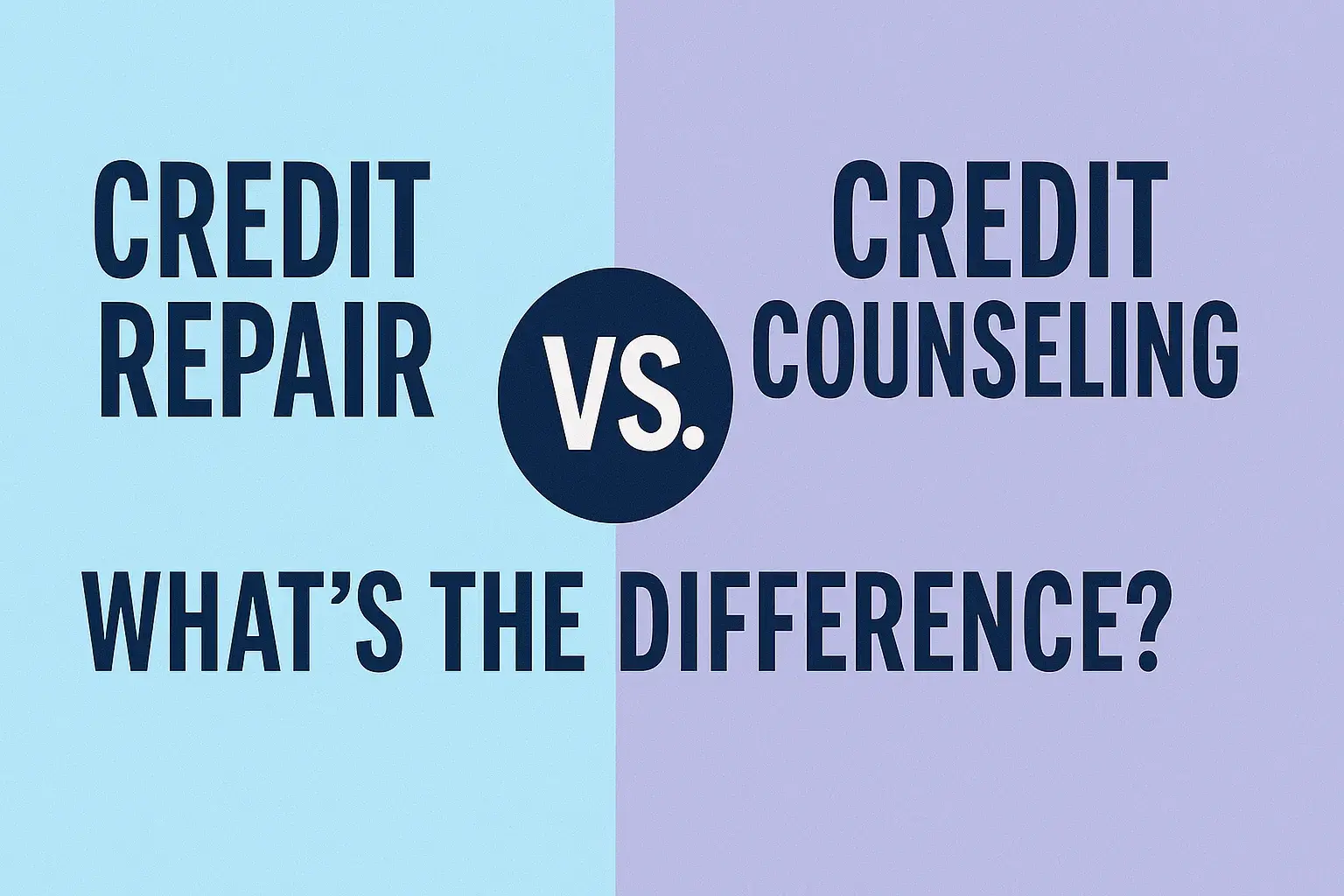
It's important to distinguish between credit repair organizations and credit counseling agencies. Credit counselors typically focus on debt management plans and budgeting, while credit repair organizations focus on disputing inaccuracies on credit reports.
Signs You Might Need Professional Help
Consider seeking professional help if:
- You're Overwhelmed: The sheer volume of information and tasks involved in credit repair feels insurmountable.
- You Have Complex Issues: Your credit report contains significant errors, multiple collection accounts, or judgments that are difficult to untangle on your own.
- You Lack Time: You have a demanding schedule that prevents you from dedicating the necessary time to managing your credit repair process.
- You've Tried and Failed: You've attempted to dispute errors or manage debt but haven't seen the desired results.
- You Need Expert Guidance: You want the benefit of an expert's knowledge and experience to navigate the intricacies of credit reporting laws and creditor interactions.
Choosing a Reputable Credit Repair Company
The credit repair industry has its share of unscrupulous actors. It's vital to choose a company that operates ethically and legally. Look for the following:
- No Guarantees of Specific Results: Legitimate companies cannot guarantee that specific negative items will be removed or promise a certain score increase, as results depend on the accuracy of the information and the cooperation of creditors.
- Clear Fee Structure: Understand all fees upfront. Most reputable companies charge a monthly fee after the initial consultation or a fee per deleted item. Be wary of companies demanding large upfront fees before any work is done.
- Written Contract: Always sign a written contract detailing the services to be provided, the fees, and your cancellation rights.
- Proper Licensing: Ensure the company is registered and licensed in your state, if required.
- Positive Reviews and Reputation: Research the company's track record and read reviews from other clients.
- Compliance with Laws: Reputable companies will adhere to the Credit Repair Organizations Act (CROA) in the U.S., which provides consumer protections.
Be cautious of companies that make unrealistic promises, ask for payment before services are rendered, or advise you to dispute accurate information.
When NOT to Hire a Credit Repair Company
If your credit problems stem solely from a lack of positive credit history or manageable debt, you likely don't need professional help. You can build credit and manage debt effectively through responsible personal finance practices. Also, avoid companies that promise to remove accurate, verifiable negative information – this is often illegal and ineffective.
Engaging professional help can be a valuable part of your journey on how to repair your credit, but it requires careful selection and realistic expectations.
Comparison of Credit Repair Approaches
| Feature | DIY Credit Repair | Professional Credit Repair Service | Credit Counseling Agency |
|---|---|---|---|
| Primary Focus | Disputing errors, managing debt, building credit | Disputing errors, negotiating with creditors | Debt management plans, budgeting, financial education |
| Cost | Minimal (postage, potential report fees) | Monthly fees, per-deletion fees (variable) | Low or no monthly fees, potential setup fee |
| Time Commitment | High | Moderate to Low | Moderate |
| Expertise | Self-taught or research-based | Specialized knowledge of credit laws and disputes | Financial counseling and debt negotiation |
| Best For | Minor errors, manageable debt, time availability | Complex disputes, significant errors, lack of time/expertise | Overwhelming unsecured debt, need for structured repayment plan |
Understanding these options helps you choose the most appropriate path for your specific situation when deciding how to repair your credit.
Conclusion
Repairing your credit is a journey that requires patience, diligence, and a strategic approach. By understanding your credit reports, identifying and disputing errors, effectively managing and reducing debt, and consistently building positive credit history, you can significantly improve your financial standing. Continuous credit monitoring is key to tracking progress and safeguarding against identity theft. While professional assistance can be beneficial in complex cases, many individuals can achieve substantial credit improvement through self-directed efforts.
The most impactful steps you can take right now are to obtain your free credit reports from AnnualCreditReport.com, meticulously review them for inaccuracies, and begin implementing responsible financial habits. Prioritize on-time payments, keep credit utilization low, and be patient. The positive changes you make today will compound over time, leading to better credit scores, lower interest rates, and access to greater financial opportunities. Take control of your credit, and you take control of your financial future.