Does Montana Require a License for Credit Repair Services?

Navigating the world of credit repair can be complex, especially when considering regulatory requirements. This guide directly answers whether Montana requires a license for credit repair services, providing essential insights for consumers and potential service providers alike. We aim to clarify the legal landscape to ensure compliance and informed decision-making.
Montana Credit Repair Licensing: An Overview
The landscape of financial services regulation is intricate, with each state often having its own set of rules. When it comes to credit repair, a critical area of consumer finance, understanding these regulations is paramount. This section provides a foundational understanding of how credit repair services are regulated, setting the stage for a detailed examination of Montana's specific requirements. The primary goal is to ensure consumers are protected from fraudulent or predatory practices and that legitimate businesses can operate within a clear legal framework. In 2025, the emphasis on consumer protection in financial services continues to grow, making adherence to state and federal laws more important than ever.
Understanding Credit Repair Services
Credit repair services, often referred to as credit services organizations (CSOs) or credit repair organizations (CROs), are businesses that offer to help consumers improve their credit reports and scores. They typically achieve this by identifying inaccuracies, disputing erroneous information with credit bureaus (Equifax, Experian, and TransUnion), negotiating with creditors, and providing advice on managing credit. The ultimate aim is to remove negative but accurate information (which is generally not possible) and correct any false or outdated negative entries, thereby boosting a consumer's creditworthiness.
These services operate on the premise that credit reports are not always perfect and that errors can significantly impact a person's ability to obtain loans, rent an apartment, or even secure employment. Common services offered include:
- Disputing Inaccurate Information: Investigating and challenging negative items on a credit report that may be incorrect, such as late payments, collections, or incorrect personal information.
- Negotiating with Creditors: Sometimes, credit repair services may attempt to negotiate with creditors to settle debts or remove negative marks, though this is often limited in scope and effectiveness, especially for accurate information.
- Credit Education and Advice: Providing guidance on budgeting, debt management, and responsible credit usage to help consumers maintain a healthy credit profile moving forward.
- Monitoring Credit Reports: Offering services to track changes in a consumer's credit report and score over time.
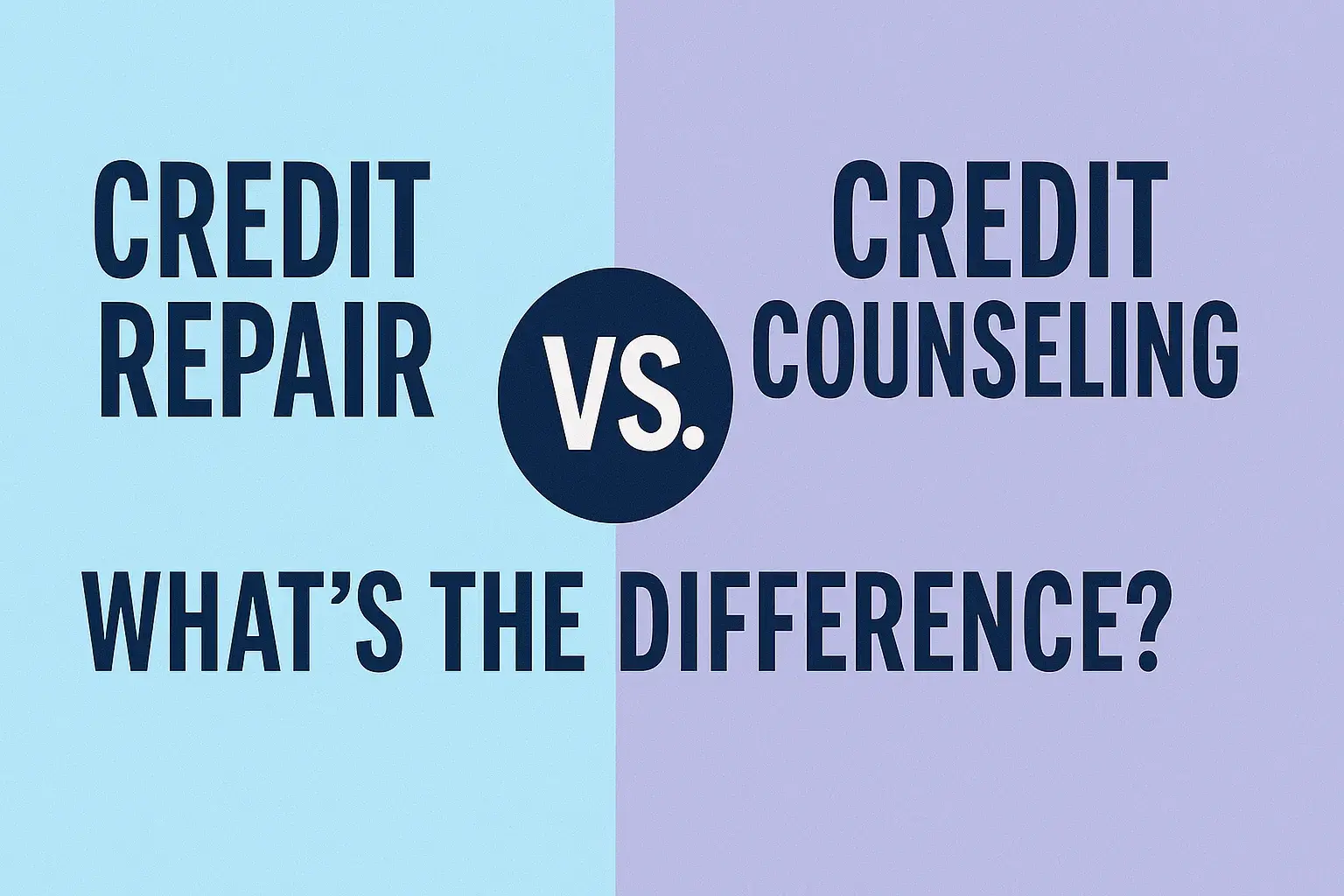
It's crucial to distinguish legitimate credit repair services from credit counseling services. Credit counseling agencies, often non-profit, typically help consumers manage overwhelming debt through debt management plans, while credit repair focuses specifically on improving the accuracy and contents of credit reports.
Federal Regulations Governing Credit Repair
Before delving into state-specific laws, it's essential to understand the federal framework that governs credit repair services across the United States. The primary federal law is the Credit Repair Organizations Act (CROA), enacted in 1996. CROA establishes a baseline of consumer protection that all credit repair organizations must adhere to, regardless of state licensing requirements.
Key provisions of CROA include:
- Disclosure Requirements: CROA mandates that credit repair organizations provide consumers with a detailed disclosure statement at least three days before signing a contract or any other agreement. This statement must include information about the consumer's rights, the services the organization will provide, and the total cost.
- Prohibited Practices: CROA prohibits certain unfair or deceptive practices. For instance, it forbids CROs from advising consumers to dispute accurate information or from misrepresenting their services or the results consumers can expect.
- Contractual Requirements: Any contract between a consumer and a CRO must be in writing and clearly outline the services to be performed, the timeframe for these services, and the consumer's right to cancel the contract within three business days without penalty.
- No Advance Fees: A significant provision of CROA is the prohibition of charging fees before the services have been completed. This "pay-for-performance" model is designed to prevent upfront exploitation.
- Record Keeping: CROs are required to keep copies of all contracts and records of consumer interactions for at least two years.
While CROA sets a national standard, it does not preempt state laws. This means that states can enact stricter regulations, including licensing requirements, to further protect their residents. The Federal Trade Commission (FTC) is the primary federal agency responsible for enforcing CROA.
Montana-Specific Laws and Regulations
Montana, like many states, has its own statutes that govern credit repair services. These laws are designed to supplement federal protections and address specific concerns within the state. Understanding Montana's Consumer Protection Act and any specific provisions related to credit services organizations is crucial for anyone operating or seeking services in the state.
Montana's consumer protection laws are primarily enforced by the Montana Department of Justice, Consumer Protection Division. While the federal CROA sets broad guidelines, state laws can add layers of regulation. For credit repair services, the key question revolves around whether Montana mandates a specific license or registration for these businesses to operate legally within its borders.
Research into Montana's statutes reveals that the state does not have a specific, dedicated licensing regime for "credit repair services" in the same way some other states might license mortgage brokers or collection agencies. However, this does not mean these businesses operate without oversight. Instead, they are subject to broader consumer protection laws and potentially business registration requirements applicable to any entity conducting business in Montana.
Business Registration: Any business operating in Montana must generally register with the Montana Secretary of State. This includes obtaining a business license or registering a trade name if applicable. This is a standard requirement for legal operation and not specific to credit repair.
Consumer Protection Act: Montana's Unfair Trade Practices and Consumer Protection Act (Title 30, Chapter 24 of the Montana Code Annotated) prohibits deceptive and unfair business practices. This act applies broadly to all businesses and would certainly cover credit repair services. Any practice that misleads consumers about the services offered, the potential outcomes, or the costs could be deemed a violation under this act.
Bonding Requirements: Some states require credit repair organizations to be bonded. This bond serves as a financial guarantee to consumers in case the credit repair company engages in fraudulent or deceptive practices. It's important to verify if Montana has such a requirement, although it is not explicitly listed as a "license" for credit repair services themselves.
Contractual Requirements: Similar to federal law, Montana likely enforces strict rules regarding contracts with consumers. These would typically include clear disclosures, cancellation rights, and prohibitions against charging fees before services are rendered, aligning with CROA principles.
The absence of a specific "credit repair license" in Montana means that businesses must focus on complying with the general business registration laws and the robust consumer protection statutes already in place. For consumers, this means scrutinizing any credit repair service provider for adherence to these broader protections.
Does Montana Require a License for Credit Repair Services?
To directly answer the question: As of 2025, Montana does not have a specific state-issued license requirement solely for entities operating as "credit repair services" or "credit services organizations." This means there isn't a dedicated "credit repair license" that a company must obtain from a Montana state agency to legally offer credit repair services within the state.
However, this lack of a specific license does not equate to a free-for-all. Businesses offering credit repair services in Montana are still subject to significant regulations and oversight:
- Federal Compliance: All credit repair organizations operating in Montana must comply with the federal Credit Repair Organizations Act (CROA). This includes adhering to disclosure requirements, prohibiting advance fees, and ensuring written contracts with clear terms and cancellation rights.
- Montana Consumer Protection Laws: Businesses must comply with Montana's Unfair Trade Practices and Consumer Protection Act. This law broadly prohibits deceptive, misleading, or unfair practices in commerce. Any credit repair service that makes false promises, misrepresents its abilities, or engages in high-pressure sales tactics could face penalties under this act.
- General Business Registration: Like any other business operating in Montana, credit repair services must register with the Montana Secretary of State. This typically involves registering the business name, obtaining necessary permits, and paying applicable fees. This is a prerequisite for any legal business operation, not specific to credit repair.
- Potential Bonding: While not a licensing requirement, some states have considered or implemented bonding requirements for credit repair organizations to provide financial recourse for consumers. It is prudent for consumers to inquire if a company they are considering has such a bond, even if not mandated by Montana law, as it can indicate a level of professionalism and financial responsibility.
In summary: While there is no specific "credit repair license" in Montana, businesses must operate legally by complying with federal CROA, Montana's general consumer protection laws, and standard business registration procedures. Consumers should exercise due diligence to ensure any provider they engage with is legitimate and compliant with all applicable laws.
Key Consumer Protections in Montana
Even without a specific credit repair license, Montana consumers are afforded significant protections under existing laws. These protections are crucial for safeguarding individuals seeking to improve their credit standing from potential exploitation.
1. Federal Credit Repair Organizations Act (CROA): As previously discussed, CROA provides a baseline of protection. This includes:
- Right to Cancel: Consumers have a three-business-day right to cancel any contract with a credit repair organization without penalty.
- Disclosure Requirements: A written disclosure statement must be provided before any contract is signed, detailing services, costs, and consumer rights.
- No Advance Payment: Fees cannot be charged before services are rendered. This is a critical safeguard against upfront scams.
- Prohibition of False Claims: CROs cannot make false or misleading claims about their services or the results consumers can expect.
2. Montana's Unfair Trade Practices and Consumer Protection Act: This state law is a powerful tool for consumer protection. It prohibits:
- Deceptive Acts and Practices: This includes misrepresenting the quality, characteristics, or benefits of services, or creating a false impression about the nature of the business. For credit repair, this could mean promising to remove accurate negative information or guaranteeing specific score increases.
- Unfair Acts and Practices: This covers conduct that is unethical or oppressive.
- Enforcement: The Montana Department of Justice, Consumer Protection Division, enforces this act. Consumers can file complaints with this division if they believe they have been subjected to unfair or deceptive practices.
3. Contractual Requirements: Montana law, aligning with CROA, requires that any contract for credit repair services be in writing, clearly state the terms of service, the fees involved, and the consumer's right to cancel. Consumers should always ensure they receive a written contract and understand every clause before signing.
4. Right to Dispute Directly: Consumers have the right to dispute inaccurate information on their credit reports directly with the credit bureaus themselves, free of charge. This is a vital point, as many credit repair services charge fees for actions consumers can legally perform for free.
5. Business Registration and Transparency: While not a license, the requirement for businesses to register with the Secretary of State provides a basic level of accountability. Consumers can often check a business's registration status.
Understanding these protections empowers consumers to make informed decisions and to seek recourse if they encounter problematic credit repair providers in Montana.
Alternatives to Paid Credit Repair Services
Given that Montana does not require specific licensing for credit repair services, and considering the potential costs and the fact that consumers can perform many dispute actions themselves, exploring alternatives is a wise strategy. Many individuals can achieve significant credit improvements through their own efforts or by utilizing free or low-cost resources.
1. Direct Dispute with Credit Bureaus: This is the most fundamental and cost-effective method. Consumers have the legal right to dispute any inaccurate information on their credit reports directly with Equifax, Experian, and TransUnion. The process is straightforward:
- Obtain copies of your credit reports from all three bureaus (you are entitled to one free report from each annually at AnnualCreditReport.com).
- Identify any errors (e.g., incorrect personal information, accounts that don't belong to you, inaccurate late payment notations, outdated negative information that should have been removed).
- Write a dispute letter to the credit bureau detailing the inaccuracies and providing supporting documentation.
- The credit bureaus have 30 days (or 45 days if the dispute is submitted near the end of a 30-day period) to investigate your claim.
2. Non-Profit Credit Counseling Agencies: These organizations, often accredited by agencies like the National Foundation for Credit Counseling (NFCC) or the Financial Counseling Association of America (FCAA), offer invaluable services for free or at a low cost. Their services include:
- Budgeting Assistance: Helping you create a realistic budget to manage your finances.
- Debt Management Plans (DMPs): Negotiating with creditors to consolidate your debts into a single monthly payment, often with reduced interest rates.
- Financial Education: Providing workshops and resources on responsible credit use, saving, and investing.
- Guidance on Credit Reports: While they don't "repair" credit in the same way a CSO does, they can help you understand your credit report and identify areas for improvement.
3. Consumer Financial Protection Bureau (CFPB): The CFPB is a federal agency that offers a wealth of free resources and tools for consumers. They provide information on understanding credit reports, disputing errors, and navigating debt. You can also file complaints with the CFPB, which can help resolve disputes with credit reporting agencies and creditors.
4. Legal Aid Societies and Pro Bono Attorneys: If you believe you have been a victim of identity theft or significant credit reporting errors that a credit bureau or creditor refuses to correct, you may be able to seek assistance from legal aid societies or find attorneys who offer pro bono (free) services.
5. Education and Self-Management: Many reputable financial websites, government resources, and libraries offer free educational materials on credit management. Learning about credit scoring factors and how to build positive credit history can be more empowering in the long run than relying on a third party.
By leveraging these alternatives, consumers in Montana can often achieve their credit improvement goals without incurring the often-substantial fees associated with paid credit repair services.
Choosing a Reputable Credit Repair Provider
While Montana doesn't require a specific license, choosing a credit repair provider still demands careful consideration. If you decide to use a paid service, here’s how to vet potential providers to ensure you're working with a legitimate and ethical company:
1. Verify Federal Compliance (CROA): Ensure the company fully adheres to the Credit Repair Organizations Act. Ask them directly about their compliance. Key questions include:
- Do you provide a written disclosure statement before I sign anything?
- Do you charge fees only after services are rendered?
- Do you offer a written contract outlining all terms and my right to cancel within three days?
2. Check for State Business Registration: Confirm the company is registered to do business in Montana with the Secretary of State. This is a basic indicator of legitimacy.
3. Research Online Reviews and Reputation: Look for reviews on independent platforms, not just testimonials on the company's website. The Better Business Bureau (BBB) is an excellent resource. Pay attention to recurring complaints.
4. Understand Their Services and Promises: Be wary of companies that make unrealistic promises, such as:
- Guaranteeing the removal of all negative information (accurate negative information generally cannot be removed).
- Promising specific credit score increases within a short timeframe.
- Suggesting you obtain a new credit file or Social Security number.
A reputable company will explain that their goal is to ensure accuracy and remove verifiable errors, not to magically erase your credit history.
5. Ask About Fees and Contracts: Understand the fee structure completely. Is it a flat fee, a monthly fee, or a per-item fee? Ensure you receive a contract and read it thoroughly. Never pay significant fees upfront.
6. Look for Transparency: A good credit repair service will be transparent about their processes, what they can and cannot do, and the typical timeframe for results. They should be willing to answer all your questions clearly.
7. Inquire About Their Experience: How long have they been in business? Do they have experience dealing with the specific issues on your credit report?
8. Consider Alternatives: Before committing to a paid service, revisit the alternatives discussed earlier. Often, direct disputes or credit counseling can achieve similar or better results with less financial outlay.
By following these steps, you can significantly reduce the risk of falling victim to a fraudulent or ineffective credit repair service in Montana.
The Role of the Better Business Bureau (BBB)
The Better Business Bureau (BBB) is a non-profit organization that serves as a valuable resource for consumers researching businesses. While the BBB does not regulate businesses or issue licenses, it plays a crucial role in helping consumers make informed decisions, especially when specific state licensing is limited, as is the case with credit repair services in Montana.
Here's how the BBB can assist you:
- Business Profiles and Ratings: The BBB maintains profiles for businesses, providing a rating based on factors like complaint history, time in business, transparency, and adherence to BBB standards. A higher rating (e.g., A+) generally indicates a more trustworthy business.
- Complaint Tracking: The BBB allows consumers to file complaints against businesses. These complaints are then forwarded to the business for a response. The BBB tracks the number of complaints, how they were resolved, and whether the business responded appropriately. A pattern of unresolved complaints can be a significant red flag.
- Accreditation: Businesses can choose to become BBB Accredited. Accreditation signifies that the business meets certain standards of trust and ethical conduct, including a commitment to resolving customer disputes.
- Reviews and Testimonials: While not always as comprehensive as independent review sites, the BBB often aggregates customer reviews and testimonials, offering insights into customer experiences.
- Information on Industry Practices: The BBB often provides educational articles and alerts about common scams or problematic business practices within specific industries, including financial services and credit repair.
How to use the BBB for credit repair services in Montana:
- Search for the Business: Visit the BBB website (bbb.org) and search for the credit repair company you are considering.
- Review the Profile: Examine the business's rating, the number and nature of complaints, and how the company has responded to them.
- Look for Accreditation: See if the company is BBB Accredited and if they have a history of resolving issues.
- Read Customer Reviews: Pay attention to what other consumers have reported about their experiences.
- File a Complaint if Necessary: If you have a negative experience, consider filing a complaint with the BBB to alert other consumers and potentially prompt a resolution.
The BBB is an excellent supplementary tool to federal regulations and general business registration checks. It provides a public record of a company's interactions with consumers and its commitment to ethical business practices, which is particularly important when a specific professional license is not required.
Current Trends and Statistics in Credit Repair (2025)
The credit repair industry is dynamic, influenced by economic conditions, regulatory changes, and consumer behavior. As of 2025, several trends and statistics are shaping the landscape:
1. Increased Consumer Debt and Credit Concerns: Economic pressures, including inflation and rising interest rates throughout 2023-2024, have led to an increase in consumer debt. This, in turn, drives demand for credit repair services as more individuals face financial difficulties and seek to improve their credit scores for essential needs like mortgages and auto loans. Statistics from financial institutions and credit bureaus indicate a slight uptick in consumers seeking debt relief and credit counseling.
2. Focus on Accuracy and Consumer Rights: Regulatory bodies like the CFPB and FTC continue to emphasize consumer rights regarding credit reporting. There's a growing awareness among consumers about their ability to dispute errors directly. This trend encourages credit repair companies to focus on legitimate dispute processes rather than questionable tactics.
3. Rise of Digital and AI-Powered Services: Many credit repair companies are leveraging technology to streamline their operations. This includes AI-powered credit analysis, automated dispute tracking, and online client portals for communication and document submission. These advancements aim to improve efficiency and client experience.
4. Scrutiny of "Guaranteed Removal" Claims: Regulators and consumer advocates are increasingly cracking down on credit repair companies that make unsubstantiated guarantees, particularly regarding the removal of accurate negative information. The FTC has actively pursued enforcement actions against such entities.
5. Growth in Credit Counseling and Financial Wellness Programs: Alongside paid credit repair, there's a parallel growth in demand for free or low-cost credit counseling services and broader financial wellness programs offered by employers and non-profits. This reflects a consumer preference for holistic financial health solutions.
6. Data on Credit Report Errors: Studies consistently show that a significant percentage of credit reports contain errors. For example, a 2024 analysis by a consumer advocacy group indicated that approximately 20-25% of credit reports contained some form of inaccuracy, ranging from minor identification errors to significant account discrepancies. While the exact percentage can fluctuate, the persistent presence of errors underscores the need for accurate credit reporting and the potential role of dispute services.
7. Market Size and Growth Projections: The global credit repair services market is projected to continue its steady growth. While specific figures for Montana are not typically broken out, the national market is estimated to be worth billions of dollars annually, with projections suggesting continued expansion driven by consumer credit challenges and the desire for improved financial standing.
These trends highlight a market where legitimate services focused on accuracy and consumer education are likely to thrive, while those engaging in deceptive practices face increasing regulatory risk. Consumers are becoming more educated and have access to more resources, making due diligence even more critical.
Conclusion: Navigating Montana Credit Repair Requirements
In conclusion, the answer to "Does Montana require a license for credit repair services?" is definitively no, not a specific, dedicated license solely for credit repair. However, this absence of a specialized license does not leave consumers unprotected. Businesses offering credit repair services in Montana must operate in full compliance with federal regulations, primarily the Credit Repair Organizations Act (CROA), and adhere to Montana's robust Unfair Trade Practices and Consumer Protection Act. Standard business registration with the Montana Secretary of State is also a mandatory requirement for any entity operating legally within the state.
For consumers in Montana, this means exercising a heightened level of diligence. Understand that legitimate credit repair focuses on correcting inaccuracies, not guaranteeing the removal of accurate negative information. Be wary of providers who make unrealistic promises or charge significant fees upfront. Always prioritize obtaining a written contract, understanding the terms, and utilizing your three-day right to cancel if needed. Leverage free resources like the CFPB, your credit reports from AnnualCreditReport.com, and non-profit credit counseling agencies. The Better Business Bureau (BBB) remains an invaluable tool for researching a provider's reputation and complaint history.
By staying informed about federal and state consumer protection laws, understanding the services offered, and conducting thorough research, Montanans can confidently navigate the credit repair landscape, making informed choices that genuinely support their financial well-being.