What Credit Repair Companies Do?
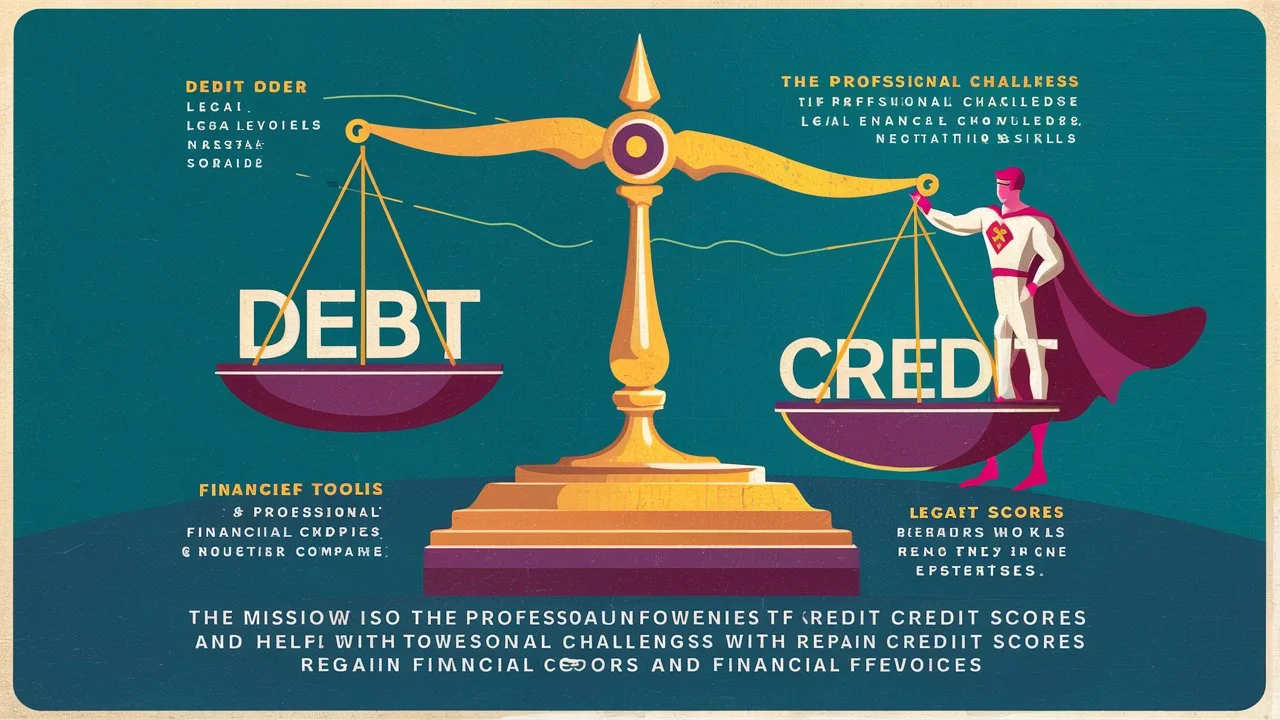
credit repair companies offer professional assistance to individuals looking to improve their credit scores. They work by disputing inaccuracies on credit reports, negotiating with creditors, and providing guidance on financial management, ultimately aiming to enhance your financial standing and unlock better opportunities.
Understanding Credit Repair: What It Is and Why It Matters
In the landscape of personal finance, your credit score is a critical determinant of your financial health and future opportunities. A good credit score is often the gateway to securing loans, mortgages, rental properties, and even favorable insurance rates. Conversely, a low credit score can present significant hurdles, leading to higher interest rates, denied applications, and limited financial flexibility. This is where the concept of credit repair emerges. Credit repair refers to the process of identifying and rectifying errors on your credit reports, addressing negative information, and implementing strategies to improve your overall creditworthiness. It's not about erasing legitimate negative marks but rather about ensuring accuracy and advocating for your credit rights. In 2025, understanding the intricacies of credit repair is more vital than ever, as the financial environment continues to evolve, and the impact of a strong credit profile remains paramount.
The importance of credit repair stems from the fact that credit reports, compiled by major credit bureaus like Equifax, Experian, and TransUnion, are not infallible. Errors can occur due to administrative mistakes, identity theft, or outdated information. These inaccuracies can unfairly drag down your credit score, costing you money and opportunities. For instance, a 2025 study by the Consumer Financial Protection Bureau (CFPB) indicated that approximately 20% of consumers have an error on at least one of their credit reports. These errors can range from incorrect account balances and payment histories to wrongly reported bankruptcies or collections. Addressing these issues proactively can lead to a significant boost in your credit score, often unlocking access to better financial products and services. This blog post will delve deep into what credit repair companies do, how they operate, and how they can be a valuable resource for individuals seeking to improve their financial standing.
How Credit Repair Companies Actually Work
Credit repair companies act as intermediaries between consumers and credit bureaus, creditors, and collection agencies. Their primary function is to leverage consumer protection laws, such as the Fair Credit Reporting Act (FCRA), to challenge inaccuracies and questionable items on your credit reports. They do not magically erase negative information; instead, they employ a systematic process of investigation and dispute. This involves obtaining copies of your credit reports from all three major bureaus, meticulously reviewing them for errors, and then initiating formal disputes with the relevant credit bureaus and the creditors or collection agencies reporting the information. The FCRA mandates that credit bureaus investigate these disputes within a reasonable timeframe, typically 30 days, and remove any information that cannot be verified or is found to be inaccurate. Credit repair companies are adept at navigating these legal frameworks and understanding the specific requirements for successful disputes. They often employ specialized software and have established communication channels with credit bureaus, which can streamline the dispute process. Furthermore, they can help you understand the complex credit scoring models and provide advice on how to build positive credit habits. In 2025, with increasing data breaches and the complexity of financial reporting, the expertise of these firms is increasingly sought after.
The effectiveness of a credit repair company hinges on its ability to identify legitimate grounds for dispute. This includes items such as:
- Accounts that do not belong to you (e.g., due to identity theft).
- Incorrectly reported late payments or missed payments.
- Inaccurate account balances or credit limits.
- Outdated negative information that should have been removed from your report.
- Collection accounts that are past the statute of limitations for legal action.
- Duplicate negative entries for the same debt.
A reputable credit repair company will not guarantee the removal of all negative information, as this is impossible and often a sign of a scam. Instead, they focus on accuracy and fairness, working within the bounds of the law to correct any verifiable errors. Their process is typically ongoing, involving multiple rounds of disputes and communication until satisfactory resolutions are achieved or until all avenues for dispute have been exhausted. The goal is to improve your credit score by removing erroneous negative items and by helping you build a history of responsible credit management.
The Role of Legal Frameworks
The operations of credit repair companies are governed by several key federal laws, most notably the Fair Credit Reporting Act (FCRA) and the Credit Repair Organizations Act (CROA). The FCRA grants consumers the right to access their credit reports, dispute inaccuracies, and have those disputes investigated by the credit bureaus. The CROA, enacted in 1996, provides further protections for consumers engaging with credit repair organizations. It prohibits them from making false or misleading claims about their services, requires them to provide consumers with a written contract detailing the services to be performed, and mandates a three-day "cooling-off" period during which a consumer can cancel the contract without penalty. Understanding these legal underpinnings is crucial for both consumers and credit repair professionals. In 2025, adherence to these regulations is paramount for maintaining ethical and legal operations. Companies that violate these laws can face significant penalties, and consumers are encouraged to be aware of their rights.
Understanding Credit Scoring Models
While credit repair companies primarily focus on disputing inaccuracies, they also play a role in educating clients about credit scoring models. The most common scoring model is the FICO score, which ranges from 300 to 850. Other models, like VantageScore, also exist. These scores are calculated based on several factors, including:
- Payment History (35%): The most significant factor, reflecting whether you pay your bills on time.
- Amounts Owed (30%): Also known as credit utilization, this looks at how much credit you are using compared to your total available credit.
- Length of Credit History (15%): The longer your credit accounts have been open and active, the better.
- Credit Mix (10%): Having a mix of different types of credit (e.g., credit cards, installment loans) can be beneficial.
- New Credit (10%): Opening too many new accounts in a short period can negatively impact your score.
Credit repair companies can help clients understand how the removal of negative items or the correction of errors directly impacts these scoring factors. For example, removing a collection account can improve the "Amounts Owed" and "Payment History" components. By understanding these dynamics, clients can make informed decisions about their financial behavior moving forward, complementing the dispute work done by the company. In 2025, with evolving scoring algorithms, staying informed about these nuances is a key service offered by proactive credit repair firms.
Key Services Offered by Credit Repair Companies
Credit repair companies offer a suite of services designed to address various aspects of a consumer's credit profile. While the core service revolves around disputing inaccuracies, their offerings often extend to providing comprehensive credit management solutions. These services are typically bundled into packages, with varying levels of support and pricing, catering to different client needs. In 2025, the demand for personalized credit solutions continues to grow, pushing companies to innovate their service offerings. Understanding these services is crucial for consumers to determine if a credit repair company is the right fit for their situation.
Credit Report Analysis and Auditing
The foundational service provided by any credit repair company is a thorough analysis of your credit reports. Upon engaging their services, they will obtain copies of your credit reports from Equifax, Experian, and TransUnion. A team of specialists will then meticulously audit these reports, looking for any discrepancies, errors, or potentially questionable negative items. This audit goes beyond a simple review; it involves cross-referencing information, identifying patterns of potential inaccuracies, and flagging items that may be eligible for dispute under consumer protection laws. This detailed examination is the critical first step in the credit repair process, as it forms the basis for all subsequent actions. A comprehensive audit in 2025 considers the latest reporting standards and potential data entry anomalies.
Dispute and Validation Services
Once potential inaccuracies are identified, credit repair companies initiate the dispute process on behalf of their clients. This involves sending formal dispute letters to the credit bureaus and, in some cases, directly to the original creditors or collection agencies. The goal is to challenge the accuracy and validity of negative information. Under the FCRA, credit bureaus are required to investigate these disputes within a specified timeframe (typically 30 days). If the creditor or bureau cannot provide sufficient evidence to validate the debt or the accuracy of the information, it must be removed from the credit report. Credit repair companies are skilled in crafting these dispute letters, ensuring they meet all legal requirements and are persuasive. They often follow up on disputes, re-dispute items if necessary, and manage the correspondence with all parties involved. This can be a time-consuming and complex process for individuals to undertake on their own.
Creditor Negotiation and Settlement
Some credit repair companies may also offer negotiation services with creditors or collection agencies. This can involve attempting to negotiate settlements for outstanding debts. While not all companies offer this service, and it often comes with additional fees, it can be beneficial for clients who are struggling with overwhelming debt. The goal of negotiation might be to reduce the principal amount owed, establish a payment plan, or negotiate a "pay for delete" agreement, where a collection agency agrees to remove the negative entry from your credit report in exchange for payment. It's important to note that "pay for delete" agreements are not guaranteed and depend on the specific policies of the collection agency. In 2025, this service requires careful consideration of the client's financial situation and the potential impact on their credit utilization.
Credit Education and Coaching
Beyond dispute services, many reputable credit repair companies provide valuable credit education and coaching. This is a crucial aspect of long-term financial health. They help clients understand the factors that influence credit scores, teach them how to manage credit responsibly, and offer guidance on budgeting, debt management, and building positive credit habits. This educational component aims to empower clients to maintain good credit once it has been improved, preventing future issues. This proactive approach is increasingly important in 2025, as financial literacy remains a key challenge for many consumers. Services might include workshops, personalized coaching sessions, or access to online resources.
Monitoring and Reporting
To track progress and ensure ongoing accuracy, many credit repair companies offer credit monitoring services. This allows clients and the company to stay informed about changes to their credit reports and scores. Regular monitoring helps to quickly identify any new errors or negative information that may appear. Clients typically receive regular updates on their progress, including details about which items have been disputed, validated, or removed, and how these changes are impacting their credit scores. This transparency is vital for building trust and demonstrating the value of the service. In 2025, integrated monitoring tools provide real-time updates and alerts.
Your Step-by-Step Journey with a Credit Repair Company
Engaging with a credit repair company typically follows a structured process designed to systematically address issues on your credit reports. While the specifics may vary slightly between companies, the general framework remains consistent. Understanding these steps will help you know what to expect and how to best collaborate with your chosen service provider. In 2025, the digital integration of these steps offers greater convenience and transparency.
1. Initial Consultation and Agreement
The process begins with an initial consultation, often free of charge. During this meeting, a representative from the credit repair company will discuss your financial situation, review your credit goals, and explain their services in detail. They will assess whether your credit issues are likely to be addressable through their services. If you decide to proceed, you will sign a contract outlining the scope of services, fees, and the terms of the agreement. It is crucial to read this contract carefully and understand all clauses before signing. This stage also typically involves providing consent for the company to access your credit reports and act on your behalf.
2. Credit Report Acquisition and Review
Once the contract is signed, the company will obtain copies of your credit reports from all three major credit bureaus: Equifax, Experian, and TransUnion. They will then conduct a comprehensive analysis of these reports. This involves identifying any inaccuracies, outdated information, or other negative items that may be negatively impacting your credit score. This detailed review is the cornerstone of the credit repair process, as it forms the basis for all subsequent actions.
3. Dispute Letter Creation and Mailing
Based on the credit report review, the company will draft customized dispute letters to the credit bureaus and/or creditors. These letters will challenge the accuracy of specific items, citing relevant consumer protection laws like the FCRA. The company will mail these letters, often via certified mail to ensure proof of delivery. This is a critical step that formally initiates the investigation process.
4. Tracking and Follow-Up
After sending the dispute letters, the credit repair company will track the progress of the investigations. Credit bureaus and creditors have a legal obligation to respond within a specific timeframe (usually 30 days). The company will monitor these responses and follow up as necessary. If an item is not resolved or if the response is unsatisfactory, they may re-dispute the item or escalate the issue. This ongoing communication and follow-up are vital for ensuring that all avenues are explored.
5. Ongoing Credit Monitoring and Reporting
Throughout the process, credit repair companies often provide credit monitoring services. This allows both the company and the client to track changes to the credit report and score. Clients will receive regular updates on the progress of disputes, the removal of negative items, and any improvements in their credit score. This transparency helps clients understand the impact of the services and the overall progress being made.
6. Credit Education and Strategy Development
As your credit improves, the company will often provide ongoing credit education. This may include advice on managing new credit, improving credit utilization, and developing healthy financial habits. The goal is to equip you with the knowledge and tools to maintain a healthy credit profile long after the formal dispute process has concluded. This educational component is a key differentiator for reputable firms in 2025.
The Tangible Benefits of Partnering with a Credit Repair Firm
Deciding to work with a credit repair company is a significant financial decision. Understanding the potential benefits can help you weigh whether this service aligns with your needs. While not a magic bullet, a reputable firm can offer tangible advantages that can lead to a significantly improved financial future. In 2025, the competitive lending market makes strong credit more valuable than ever.
Expert Knowledge of Credit Laws and Processes
One of the primary benefits is access to specialized knowledge. Credit repair professionals are well-versed in consumer protection laws like the FCRA and the CROA. They understand the complex procedures for disputing errors and the specific requirements for successful challenges. This expertise can be invaluable, as navigating these laws and processes can be daunting and time-consuming for individuals. They know what to look for, how to phrase dispute letters effectively, and how to follow up to ensure compliance.
Time and Stress Savings
The process of repairing credit can be lengthy and emotionally taxing. It involves gathering documents, writing letters, making phone calls, and dealing with potentially frustrating responses from credit bureaus and creditors. By outsourcing this work to a credit repair company, you save significant time and reduce stress. They handle the heavy lifting, allowing you to focus on other aspects of your life and financial management.
Identification of Errors You Might Miss
Credit reports can be complex documents. Even with a careful personal review, it's easy to overlook subtle inaccuracies or questionable items. Credit repair specialists are trained to spot these errors, including those that might not be immediately obvious. They have the experience to identify patterns of potential inaccuracies and the knowledge to challenge them effectively. This can lead to the removal of negative items that you might not have known were incorrect.
Potential for Faster Improvement
While there are no guarantees in credit repair, the systematic and knowledgeable approach of a professional company can often lead to faster improvements than an individual might achieve on their own. Their established processes, understanding of dispute timelines, and persistence in follow-up can accelerate the removal of inaccuracies and the subsequent rise in your credit score. The 2025 credit market is highly sensitive to score changes, making speed a valuable asset.
Empowerment Through Education
Reputable credit repair companies don't just fix past mistakes; they educate clients for the future. They provide insights into credit scoring, responsible credit management, and strategies for building and maintaining good credit. This educational component empowers individuals to make better financial decisions moving forward, fostering long-term financial health and preventing future credit problems. This is a crucial aspect of sustainable credit improvement in the current economic climate.
Choosing the Best Credit Repair Company for Your Needs
With numerous credit repair companies available, selecting the right one is crucial for a positive experience and successful outcome. Not all companies are created equal, and some may employ questionable practices. A thorough evaluation process will help you find a reputable firm that aligns with your financial goals and ethical standards. In 2025, due diligence is more important than ever, given the evolving landscape of financial services.
Research and Reputation
Start by researching potential companies. Look for established businesses with a proven track record. Check online reviews, testimonials, and ratings from reputable consumer organizations. Be wary of companies that make unrealistic promises, such as guaranteeing the removal of all negative information or claiming they can erase bankruptcies or judgments. A legitimate company will be transparent about its services and limitations.
Understanding Fees and Contracts
Credit repair companies typically charge fees for their services. These can be structured as monthly fees, per-item fees, or a combination. It's essential to understand the fee structure clearly before signing any contract. Ask for a detailed breakdown of all costs, including any setup fees, monthly service fees, and potential success-based fees. Ensure you receive a written contract that clearly outlines the services to be provided, the fees, and the terms of cancellation. Never pay a company for services before they are rendered, as this is often a red flag for fraudulent operations.
Services Offered and Customization
Evaluate the specific services offered by the company. Do they provide comprehensive credit report analysis, dispute services, and credit education? Do they tailor their approach to your individual needs and credit situation? A good company will offer personalized strategies rather than a one-size-fits-all solution. Consider whether they offer services like negotiation or debt management if those are areas you need assistance with.
Licensing and Bonding
In many states, credit repair organizations are required to be licensed and bonded. This provides an additional layer of protection for consumers. Check if the company is licensed to operate in your state and if they are bonded. This indicates a commitment to regulatory compliance and financial responsibility.
Transparency and Communication
A reputable credit repair company will maintain open and transparent communication with its clients. They should be willing to answer your questions, provide regular updates on your progress, and explain their strategies. Look for companies that offer easy-to-access client portals or regular phone/email support. If a company is evasive or difficult to communicate with, it's a potential warning sign.
Avoiding Red Flags
Be aware of common red flags associated with fraudulent credit repair services. These include:
- Guarantees of removing accurate negative information.
- Requests for payment before services are rendered.
- Failure to provide a written contract.
- Asking you to dispute information you know to be accurate.
- Claims of being able to create a new credit identity.
- Not providing clear contact information or physical address.
By carefully considering these factors, you can make an informed decision and choose a credit repair company that will genuinely help you improve your creditworthiness.
Exploring Alternatives to Professional Credit Repair
While credit repair companies can be beneficial, they are not the only path to improving your credit score. Several alternative strategies and resources can help you manage and enhance your creditworthiness. For individuals who prefer a DIY approach or have simpler credit issues, these alternatives can be highly effective. In 2025, a combination of these methods often yields the best results.
DIY Credit Repair
The most direct alternative is to undertake the credit repair process yourself. This involves obtaining copies of your credit reports from Equifax, Experian, and TransUnion (you are entitled to one free report from each bureau annually via AnnualCreditReport.com). You can then meticulously review these reports for errors and initiate disputes directly with the credit bureaus. While this requires time, patience, and a good understanding of consumer protection laws, it can save you money on service fees. Many online resources and government websites offer guidance on how to dispute credit report errors effectively.
Non-Profit Credit Counseling
Reputable non-profit credit counseling agencies, often accredited by organizations like the National Foundation for Credit Counseling (NFCC) or the Financial Counseling Association of America (FCAA), offer valuable assistance. These agencies provide free or low-cost services, including:
- Budgeting and financial management advice.
- Debt management plans (DMPs), where they negotiate with creditors on your behalf to consolidate your debt into a single monthly payment, often with reduced interest rates.
- Educational resources on credit and debt.
While they don't typically engage in disputing errors in the same way a credit repair company does, they are excellent resources for addressing overwhelming debt and improving financial habits, which indirectly boosts credit. In 2025, these services are a cornerstone of consumer financial well-being.
Debt Management Plans (DMPs)
As mentioned, DMPs offered by credit counseling agencies can be a powerful tool. By consolidating your debts, you make one manageable monthly payment. This can help you avoid late payments, reduce your credit utilization (if managed correctly), and demonstrate a commitment to repaying your debts, all of which can positively impact your credit score over time. It’s important to work with an accredited agency to ensure the DMP is structured effectively.
Building Positive Credit History
For individuals with limited credit history or those recovering from past credit issues, focusing on building positive credit is key. This can involve:
- Secured Credit Cards: These require a cash deposit, which typically becomes your credit limit. They function like regular credit cards and are reported to the credit bureaus, helping you build a positive payment history.
- Credit-Builder Loans: Offered by some banks and credit unions, these loans involve you making payments on a loan that is held in a savings account. Once the loan is repaid, you receive the funds, and your on-time payments are reported to the credit bureaus.
- Authorized User Status: Becoming an authorized user on a credit card account held by someone with excellent credit can help boost your score, provided the primary cardholder manages the account responsibly.
Consistent, on-time payments on these instruments are crucial for demonstrating creditworthiness. In 2025, these tools are more accessible than ever through online banking platforms.
Negotiating Directly with Creditors
If you are struggling with specific debts, you can try negotiating directly with your creditors or collection agencies. Explain your situation and inquire about potential options, such as payment plans, hardship programs, or even a settlement for less than the full amount owed. While they are not obligated to agree, some creditors are willing to work with consumers facing financial difficulties. Document all communications and agreements in writing.
Each of these alternatives offers a different approach to credit improvement. The best choice depends on your specific circumstances, financial goals, and willingness to manage the process yourself.
Legal and Ethical Considerations in Credit Repair
The credit repair industry, while offering legitimate assistance, has historically been plagued by unscrupulous operators. Therefore, understanding the legal and ethical landscape is paramount for consumers seeking these services. Reputable companies operate within strict legal frameworks, while fraudulent ones exploit loopholes and consumer desperation. In 2025, regulatory oversight continues to evolve to protect consumers.
The Credit Repair Organizations Act (CROA)
The CROA is a federal law designed to protect consumers from deceptive and unfair practices by credit repair organizations. Key provisions of the CROA include:
- Written Contracts: Credit repair organizations must provide a written contract to consumers that clearly outlines the services to be performed, the total cost, and the timeframe for those services.
- Cancellation Rights: Consumers have a three-day "cooling-off" period during which they can cancel the contract without penalty.
- Prohibition on False Promises: CROA prohibits credit repair organizations from making false or misleading claims about their services, such as guaranteeing the removal of accurate negative information.
- No Advance Fees: Generally, credit repair organizations cannot charge fees for their services before they have been fully performed. There are exceptions, but this is a critical protection.
Companies that violate the CROA can face significant penalties. Consumers should be aware of these protections and report any suspected violations to the Federal Trade Commission (FTC) or their state Attorney General.
The Fair Credit Reporting Act (FCRA)
While the FCRA primarily governs credit bureaus and furnishers of credit information, it is the bedrock upon which credit repair services operate. The FCRA grants consumers the right to:
- Access their credit reports from each of the three major bureaus.
- Dispute any inaccurate or incomplete information on their reports.
- Have disputes investigated by the credit bureaus within a reasonable timeframe (typically 30 days).
- Have inaccurate or unverified information removed from their reports.
Credit repair companies leverage these rights on behalf of their clients. Understanding the FCRA empowers consumers to advocate for themselves and to hold credit repair companies accountable for adhering to its principles.
Ethical Practices in Credit Repair
Beyond legal compliance, ethical practices are crucial. Reputable credit repair companies prioritize transparency, honesty, and client well-being. Ethical practices include:
- Realistic Expectations: Clearly communicating what can and cannot be achieved.
- Focus on Accuracy: Aiming to correct errors, not to mislead or deceive.
- Client Education: Empowering clients with financial literacy for long-term success.
- Confidentiality: Protecting client information with the utmost care.
- No Guarantees of Specific Scores: Avoiding promises of guaranteed score increases, as scores fluctuate based on many factors.
Consumers should be wary of companies that promise to "clean your credit" or "erase your debt" without proper validation. These are often indicators of fraudulent operations. In 2025, the emphasis on ethical conduct is a key differentiator for trusted credit repair firms.
Identifying and Avoiding Scams
To avoid credit repair scams, consumers should:
- Be Skeptical of Unrealistic Promises: If it sounds too good to be true, it probably is.
- Never Pay in Advance: Legitimate companies typically charge after services are rendered or on a monthly basis for ongoing work.
- Read Contracts Carefully: Understand all terms and conditions before signing.
- Check for Licensing and Bonding: Ensure the company is operating legally in your state.
- Consult the FTC and State Attorney General: These agencies can provide information on common scams and how to report them.
By staying informed and vigilant, consumers can protect themselves from fraudulent credit repair schemes and find legitimate assistance when needed.
The Future of Credit Repair in 2025 and Beyond
The credit repair industry is dynamic, constantly adapting to technological advancements, evolving consumer needs, and changes in the financial landscape. As we look towards 2025 and beyond, several trends are shaping the future of credit repair services. The increasing digitization of financial services and the growing emphasis on data security and consumer empowerment are key drivers of change. Understanding these trends can help consumers make informed decisions about seeking credit repair assistance and help companies innovate their service offerings.
Increased Digitalization and Automation
In 2025, credit repair companies are increasingly leveraging technology to streamline their operations and enhance client experience. This includes the use of AI-powered tools for credit report analysis, automated dispute tracking systems, and secure client portals for communication and document sharing. Digital platforms allow for faster processing of disputes, more efficient communication, and greater transparency for clients. Expect more companies to offer mobile applications for managing credit repair progress and accessing educational resources. This trend is driven by consumer demand for convenience and speed in all aspects of their financial lives.
Greater Emphasis on Financial Literacy and Prevention
The focus in credit repair is shifting from solely reactive dispute resolution to a more proactive approach centered on financial education and prevention. Companies are recognizing that sustainable credit improvement requires clients to understand the principles of good financial management. In 2025, many reputable firms are integrating comprehensive financial coaching, budgeting tools, and educational modules into their service packages. The goal is to empower consumers to make informed financial decisions, build healthy credit habits, and prevent future credit issues, thereby reducing the need for extensive repair services down the line.
Data Security and Privacy Concerns
With the rise in data breaches and identity theft, consumers are increasingly concerned about the security of their personal and financial information. Credit repair companies handle sensitive data, making robust data security protocols essential. In 2025, companies that prioritize advanced encryption, secure data storage, and transparent privacy policies will gain consumer trust. Regulatory bodies are also placing greater emphasis on data protection, requiring companies to adhere to stringent standards. Consumers should always inquire about a company's data security measures before entrusting them with their information.
Personalized and Holistic Approaches
The one-size-fits-all model of credit repair is becoming less effective. In 2025, consumers are seeking personalized solutions tailored to their unique financial circumstances and goals. Credit repair companies are responding by offering more customized service plans, diagnostic tools that assess individual needs, and holistic approaches that address not only credit reports but also debt management, budgeting, and savings strategies. This personalized approach aims to provide more effective and sustainable credit improvement by considering the broader financial picture of the client.
Regulatory Evolution and Consumer Protection
Regulators continue to monitor the credit repair industry to protect consumers from fraudulent practices. In 2025, we may see further refinements to existing laws like the CROA and FCRA, or the introduction of new regulations aimed at increasing transparency and accountability within the industry. Consumer advocacy groups are also playing a vital role in raising awareness and pushing for stronger consumer protections. Companies that operate with the highest ethical standards and proactively adapt to regulatory changes will be best positioned for long-term success.
The future of credit repair is one of increased sophistication, personalization, and a stronger emphasis on empowering consumers with the knowledge and tools for lasting financial health. By staying informed about these trends, consumers can make better choices when seeking assistance to improve their credit.
In conclusion, credit repair companies play a vital role in helping individuals navigate the complexities of credit reporting and improve their financial standing. They act as expert advocates, leveraging consumer protection laws to identify and dispute inaccuracies on credit reports. Their services, ranging from detailed report analysis and dispute resolution to credit education, can significantly impact a consumer's credit score and unlock access to better financial opportunities. While DIY credit repair and non-profit counseling are viable alternatives, professional credit repair offers specialized knowledge, time savings, and a systematic approach that can be invaluable for those struggling with challenging credit issues. By understanding what credit repair companies do, the benefits they offer, and how to choose a reputable firm, consumers can make informed decisions to take control of their credit and build a more secure financial future. Remember to always prioritize transparency, ethical practices, and realistic expectations when engaging with any credit repair service.