What Do Credit Repair Agencies Do?
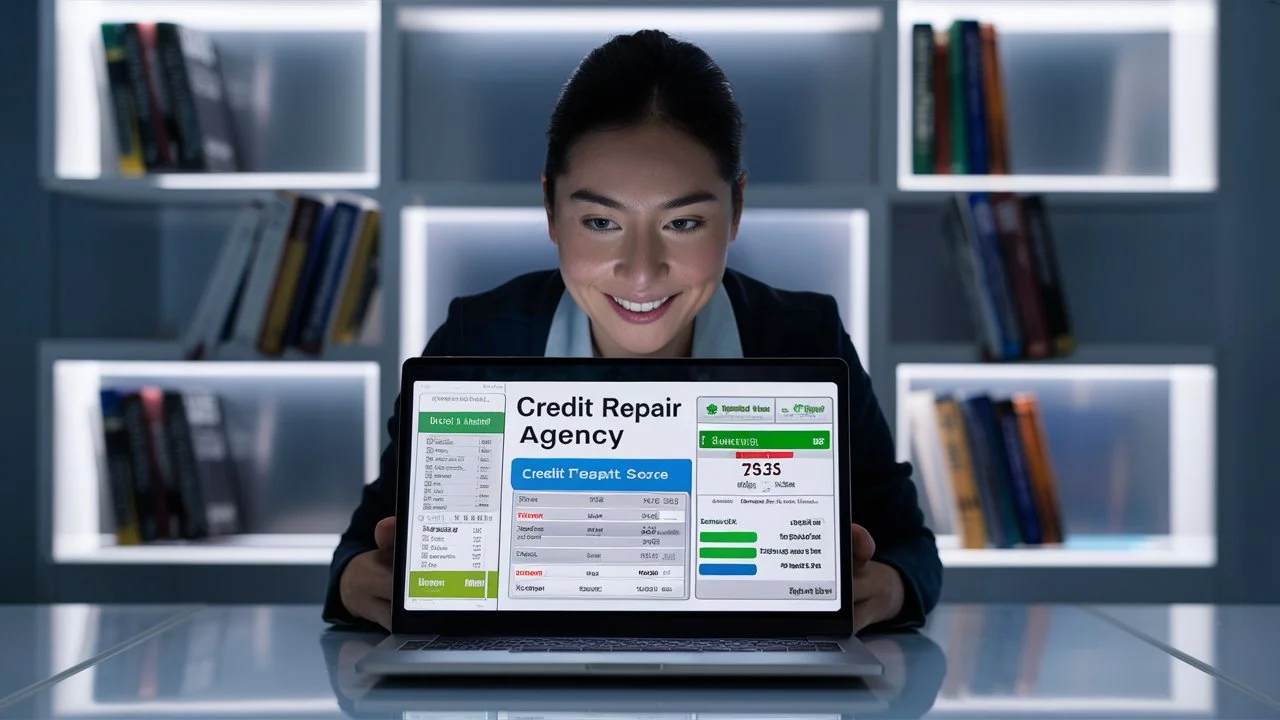
Credit repair agencies offer a professional service designed to help individuals improve their credit scores and financial standing. They act as intermediaries, working with credit bureaus and creditors to identify and rectify inaccuracies or negative items on your credit report, ultimately aiming for a healthier financial future.
What Are Credit Repair Agencies?
Credit repair agencies are professional companies that specialize in helping consumers improve their credit reports and credit scores. They operate by leveraging their expertise in consumer credit laws and reporting practices to identify and challenge potentially inaccurate, incomplete, or outdated information that may be negatively impacting a person's creditworthiness. In essence, they act as advocates for consumers, navigating the complex systems of credit bureaus (Equifax, Experian, and TransUnion) and creditors on behalf of their clients. The primary goal is to remove erroneous negative marks, such as late payments that were actually made on time, accounts that do not belong to the consumer, or incorrect balances, thereby boosting the client's credit score.
The landscape of personal finance is often fraught with challenges, and a poor credit score can be a significant hurdle. It can affect one's ability to secure loans, rent an apartment, obtain favorable insurance rates, and even land certain jobs. Credit repair agencies aim to alleviate these burdens by offering a structured approach to credit restoration. They understand the nuances of the Fair Credit Reporting Act (FCRA) and other relevant legislation, which grants consumers specific rights regarding their credit information. By employing these rights, agencies work to dispute questionable items, negotiate with creditors, and advise clients on best practices for credit management moving forward. It's crucial to understand that credit repair agencies do not magically erase legitimate negative information; rather, they focus on errors and unfair reporting.
In 2025, the demand for credit repair services continues to be robust, driven by an increasing awareness of credit's impact on financial well-being and the lingering effects of economic uncertainties. Many individuals find themselves overwhelmed by the process of reviewing their credit reports, understanding credit scoring models, and engaging with the credit reporting system. This is where professional assistance becomes invaluable. A reputable credit repair agency provides the knowledge, time, and strategic approach needed to effectively address credit issues. They offer a service that can save consumers time and frustration, potentially leading to significant improvements in their financial opportunities.
How Do Credit Repair Agencies Work?
Credit repair agencies function by employing a systematic process that involves analyzing a client's credit reports, identifying disputable items, and initiating formal challenges with the credit bureaus and relevant creditors. Their work is rooted in consumer protection laws, most notably the Fair Credit Reporting Act (FCRA). This act grants consumers the right to dispute any information on their credit report that they believe is inaccurate or incomplete. Credit repair agencies leverage this right on behalf of their clients.
The initial step typically involves the agency obtaining copies of the client's credit reports from all three major credit bureaus: Equifax, Experian, and TransUnion. They then conduct a thorough review of these reports, looking for any discrepancies, errors, or negative items that might be affecting the credit score. This could include late payments that were actually made on time, accounts that do not belong to the consumer, incorrect personal information, duplicate negative entries, or outdated negative information that should have been removed.
Once potential inaccuracies are identified, the agency drafts and sends dispute letters to the credit bureaus and, in some cases, directly to the creditors who reported the information. These letters formally request an investigation into the disputed items. Under the FCRA, credit bureaus have a legal obligation to investigate these disputes within a specified timeframe, typically 30 days (which can be extended to 45 days if the consumer provides additional information during the dispute period). During this investigation, the credit bureau contacts the creditor or furnisher of the information to verify its accuracy. If the creditor cannot provide substantiation for the disputed item, or if the item is found to be inaccurate, it must be removed or corrected on the credit report.
Credit repair agencies often employ a multi-layered approach, sending multiple rounds of disputes for persistent issues. They also monitor the client's credit report progress and may advise on strategies to build positive credit history, such as responsible credit card usage or secured loans. It's important to note that credit repair agencies do not have the power to remove accurate, negative information from a credit report. Their effectiveness lies in identifying and challenging errors and unfair reporting practices. By 2025, the sophistication of credit scoring models and the data available means that agencies must be highly knowledgeable and diligent in their pursuit of accurate credit reporting.
Identifying Disputable Items
The core of a credit repair agency's work begins with meticulous identification of disputable items. This is not a superficial glance; it's a deep dive into the intricacies of a credit report. Common types of disputable items include:
- Inaccurate Personal Information: Incorrect addresses, names, Social Security numbers, or employment history can lead to identity theft or confusion between consumers with similar names.
- Late Payments Marked Incorrectly: A payment that was made on time but reported as late by a creditor is a prime candidate for dispute. This often requires providing proof of payment.
- Accounts That Do Not Belong to the Consumer: This is a significant red flag, often indicative of identity theft. These could be fraudulent credit cards, loans, or other lines of credit opened in the consumer's name.
- Duplicate Negative Entries: Sometimes, the same negative event (e.g., a late payment) might be reported multiple times or by different entities, which is a violation of reporting guidelines.
- Outdated Information: Negative information, such as bankruptcies or collections, has a statutory limit on how long it can remain on a credit report. Agencies ensure these items are removed once they exceed their reporting period (e.g., 7 years for most late payments, 10 years for most bankruptcies).
- Incorrect Account Balances or Payment Status: A credit card balance reported as maxed out when it's actually low, or a loan reported as delinquent when it's current, can significantly harm a credit score.
- Public Records Errors: Incorrectly reported bankruptcies, liens, or judgments.
Agencies use specialized software and their expertise to cross-reference information, spot inconsistencies, and determine the validity of each entry according to FCRA guidelines. This detailed analysis is crucial for building a strong case for dispute.
Communication with Credit Bureaus and Creditors
Once disputable items are identified, the agency acts as the client's authorized representative in communicating with the credit bureaus (Equifax, Experian, TransUnion) and the original creditors or debt collectors. This communication typically takes the form of formal dispute letters. These letters are carefully crafted to meet the legal requirements of the FCRA and often include supporting documentation, such as proof of payment, identity verification, or other evidence that refutes the accuracy of the reported information.
When a dispute is filed, the credit bureau is required by law to conduct an investigation. This usually involves contacting the creditor or data furnisher that provided the information. The furnisher then has a limited time to verify the accuracy of the disputed item. If they fail to provide verification, or if the information is found to be inaccurate, the item must be removed from the consumer's credit report. Agencies understand the timelines and processes involved, ensuring that disputes are followed up on and that the credit bureaus adhere to their legal obligations.
In some cases, agencies may also engage in direct communication or negotiation with creditors, especially if the goal is to resolve outstanding debts or negotiate settlements. However, the primary focus remains on correcting errors within the credit reporting system. By 2025, the digital nature of credit reporting means that agencies must also be adept at navigating online dispute portals and electronic verification systems.
Key Services Offered by Credit Repair Agencies
Credit repair agencies offer a suite of services designed to address various aspects of a consumer's credit profile. While the primary focus is on correcting errors, their offerings often extend to broader credit improvement strategies. Understanding these services is key to determining if an agency is the right fit for an individual's needs.
Credit Report Analysis and Dispute Processing
This is the cornerstone service. Agencies meticulously review credit reports from all three major bureaus (Equifax, Experian, TransUnion) to identify inaccuracies, outdated information, or misleading entries. Once identified, they initiate the dispute process on behalf of the client. This involves drafting and sending formal dispute letters to the credit bureaus and creditors, following up on investigations, and ensuring that any erroneous information is removed or corrected according to the Fair Credit Reporting Act (FCRA).
Debt Validation
For consumers struggling with collections accounts, credit repair agencies may offer debt validation services. This process involves formally requesting that a debt collector provide proof that they legally own the debt and that the amount claimed is accurate. If the collector cannot provide sufficient proof, the debt may be uncollectible, and the agency can work to have it removed from the credit report. This is a powerful tool against potentially fraudulent or outdated collection attempts.
Credit Education and Counseling
Many reputable agencies provide educational resources and guidance to their clients. This can include advice on budgeting, managing debt, understanding credit scores, and adopting responsible credit habits. The goal is not just to fix past issues but to empower clients with the knowledge to maintain good credit in the future. This proactive approach is vital for long-term financial health.
Negotiation with Creditors
In some instances, credit repair agencies may negotiate with creditors on behalf of their clients. This could involve settling outstanding debts for a lower amount than originally owed or arranging more manageable payment plans. While not all agencies offer this service, it can be a valuable component for clients looking to resolve debt issues that are impacting their credit.
Monitoring Credit Progress
Throughout the credit repair process, agencies typically monitor the client's credit reports and scores to track progress. They will inform clients of changes and updates, providing transparency and demonstrating the effectiveness of their services. This ongoing monitoring ensures that newly corrected information remains accurate and that the credit score is steadily improving.
Identity Theft Recovery Assistance
For individuals who have been victims of identity theft, credit repair agencies can provide crucial assistance in navigating the complex process of recovering their identity and repairing the damage to their credit. This often involves helping clients file police reports, placing fraud alerts with credit bureaus, and disputing fraudulent accounts opened in their name.
Comparison of Services Offered
It's important to note that the specific services offered can vary significantly between credit repair agencies. Some may focus solely on dispute processing, while others offer a more comprehensive suite of financial services. Below is a general comparison of common offerings:
| Service | Commonly Offered | Sometimes Offered | Rarely Offered |
|---|---|---|---|
| Credit Report Analysis | ✔ | ||
| Dispute Processing | ✔ | ||
| Debt Validation | ✔ | ||
| Credit Education | ✔ | ||
| Negotiation with Creditors | ✔ | ||
| Identity Theft Assistance | ✔ | ||
| Budgeting and Financial Planning | ✔ |
By 2025, the most effective agencies will likely offer a blend of robust dispute processing and valuable educational components to ensure clients achieve sustainable credit health.
The Process of Credit Repair Explained
Understanding the step-by-step process of working with a credit repair agency is crucial for setting realistic expectations and ensuring a smooth experience. While individual agency procedures may vary slightly, the general framework remains consistent, focusing on accuracy and adherence to consumer protection laws.
Step 1: Initial Consultation and Agreement
The process begins with an initial consultation, often free of charge. During this meeting, the agency will discuss your financial situation, review your credit goals, and explain their services. They will assess whether your credit situation is something they can effectively help with. If you decide to proceed, you will sign a contract outlining the services to be provided, the fees, and the terms of the agreement. It's vital to read this contract carefully. By 2025, many consultations are conducted virtually, making them more accessible.
Step 2: Obtaining and Reviewing Credit Reports
Once you've engaged an agency, they will request your credit reports from all three major credit bureaus: Equifax, Experian, and TransUnion. You may be asked to provide consent for them to pull these reports. The agency's experts will then conduct a thorough analysis of each report, looking for inaccuracies, outdated information, or any negative items that could be disputed under the Fair Credit Reporting Act (FCRA).
Step 3: Identifying Disputable Items
This is a critical phase where the agency's expertise shines. They will meticulously examine every line item on your credit reports, comparing it against relevant documentation and legal standards. They look for errors such as incorrect personal information, payments reported late that were actually on time, accounts that don't belong to you, duplicate negative entries, or public records that are no longer valid. They will identify specific items they believe can be successfully challenged.
Step 4: Initiating Disputes
After identifying the disputable items, the agency will draft and send formal dispute letters to the credit bureaus and, where applicable, to the creditors or debt collectors who reported the information. These letters clearly state the nature of the dispute and cite the relevant sections of the FCRA. The agency will keep copies of all correspondence for their records and yours.
Step 5: Investigation by Credit Bureaus and Creditors
Under the FCRA, credit bureaus have a legal obligation to investigate disputes within a specific timeframe, typically 30 days (extendable to 45 days if you provide additional information during the dispute period). During this investigation, the credit bureau will contact the creditor or furnisher of the information to verify its accuracy. The furnisher must provide substantiation for the disputed item.
Step 6: Resolution and Correction
If the investigation reveals that the disputed information is indeed inaccurate, incomplete, or unverifiable, it must be corrected or removed from your credit report by the credit bureau. The agency will monitor the progress of these investigations and follow up as necessary. They will inform you of any successful removals or corrections.
Step 7: Ongoing Monitoring and Further Disputes
Credit repair is often an iterative process. The agency will continue to monitor your credit reports and scores as changes occur. If new inaccuracies arise or if initial disputes are not fully resolved, they may initiate further rounds of disputes. They will also provide ongoing advice on how to manage your credit responsibly to build a positive history.
Step 8: Credit Building Strategies
Beyond dispute resolution, many agencies will offer guidance on credit-building strategies. This can include recommendations for secured credit cards, credit-builder loans, or advice on how to use existing credit responsibly to improve your overall credit utilization and payment history. The goal is to not only clean up your credit report but also to actively improve your creditworthiness.
A typical credit repair timeline can range from a few months to over a year, depending on the complexity of the issues and the cooperation of the credit bureaus and creditors. By 2025, clients are increasingly expecting transparency and regular updates throughout this process.
What Credit Repair Agencies Cannot Do
While credit repair agencies can be powerful allies in improving your creditworthiness, it's essential to understand their limitations. There are certain actions they cannot legally or practically perform. Misunderstanding these boundaries can lead to disappointment and potentially falling victim to fraudulent services. Reputable agencies are upfront about these limitations, while scam operations often make unrealistic promises.
Remove Accurate and Verifiable Negative Information
This is the most crucial limitation. Credit repair agencies cannot remove accurate, verifiable negative information from your credit report. This includes legitimate late payments, bankruptcies that are still within their reporting period, foreclosures, or outstanding debts that you acknowledge and are legally obligated to pay. The Fair Credit Reporting Act (FCRA) allows for the reporting of accurate negative information for a specific duration (typically 7-10 years). Agencies can only challenge information they believe is inaccurate, incomplete, or unverifiable. Any agency claiming to remove all negative information, regardless of accuracy, is likely a scam.
Guarantee a Specific Credit Score Increase
No credit repair agency can legally guarantee a specific increase in your credit score. Credit scores are complex algorithms influenced by numerous factors, and their movement depends on many variables beyond the removal of specific items. While removing negative inaccuracies can significantly boost a score, the exact outcome is unpredictable. Guarantees are a major red flag for fraudulent operations.
Obtain New Credit for You
Credit repair agencies are not lenders or credit providers. They cannot secure loans, credit cards, or any other form of new credit for you. Their role is to improve the information on your existing credit report, which in turn can make it easier for you to obtain credit from lenders in the future. Be wary of any agency that promises to get you approved for credit directly.
Pay Off Your Debts
Credit repair agencies do not pay off your debts on your behalf. While some may negotiate with creditors for settlements or payment plans, the ultimate responsibility for repaying your debts remains with you. Agencies are intermediaries; they do not assume your financial obligations.
Perform Services Without Your Written Authorization
Due to consumer protection laws, credit repair agencies must obtain your written authorization before they can act on your behalf. This includes pulling your credit reports, contacting credit bureaus, or communicating with creditors. They cannot operate in the shadows or perform any actions without your explicit consent. The Credit Repair Organizations Act (CROA) mandates this.
Charge Fees Before Services Are Rendered
Under the CROA, credit repair agencies are generally prohibited from charging fees for their services before they have been fully performed. This means they cannot demand upfront fees for services that haven't yet been delivered. While some may charge a small initial setup fee, the majority of their fees are typically charged on a monthly basis as services are rendered, or after specific milestones are achieved. This is a crucial protection against scams.
Make False Promises or Mislead Consumers
Reputable agencies operate with transparency and honesty. They will not make unrealistic claims or guarantees. They will clearly explain what they can and cannot do, the potential costs, and the expected timeline. If an agency uses high-pressure sales tactics or makes promises that sound too good to be true, it's a strong indication of a potential scam.
By understanding these limitations, consumers can better evaluate credit repair agencies and protect themselves from fraudulent operations. In 2025, vigilance remains key in navigating the credit repair industry.
Choosing the Right Credit Repair Agency
With numerous credit repair agencies vying for attention, selecting a reputable and effective one can be a daunting task. Making the wrong choice can lead to wasted money and little to no improvement in your credit standing. A strategic approach to selection is paramount. By 2025, the industry has evolved, with more emphasis on transparency and digital accessibility, but the core principles of due diligence remain the same.
Research and Due Diligence
Start by thoroughly researching potential agencies. Look for companies that have been in business for a significant period, as longevity often indicates stability and customer satisfaction. Check for online reviews on reputable platforms, but be discerning; some reviews can be manipulated. Look for patterns in feedback, both positive and negative.
Understanding Fees and Contracts
Reputable agencies are transparent about their fee structures. There are generally two common models: a monthly fee for ongoing services, or a fee per deleted item. Be wary of agencies that charge very high upfront fees or guarantee specific results, as these are often red flags. Carefully read and understand the contract before signing. Pay attention to cancellation policies, refund policies, and the exact services included. The Credit Repair Organizations Act (CROA) provides specific protections regarding fees; agencies generally cannot charge you before the service is performed.
Licensing and Bonding
Depending on your state, credit repair agencies may be required to be licensed and bonded. A bond acts as a form of insurance, protecting consumers if the agency engages in fraudulent or unethical practices. Check with your state's Attorney General or Department of Consumer Affairs to verify licensing requirements and the agency's status.
Services Offered
Ensure the agency offers the specific services you need. Do they focus solely on disputing errors, or do they also offer debt validation, credit education, or negotiation services? A comprehensive approach can be more beneficial, but ensure the core dispute processing is robust. Consider if they provide credit monitoring services, which are essential for tracking progress.
Transparency and Communication
A good credit repair agency will be transparent about their process, fees, and what you can realistically expect. They should be willing to answer all your questions clearly and patiently. Regular communication is key; they should provide you with updates on their progress and be accessible when you need to reach them. Look for agencies that offer online portals for clients to track their progress.
Avoiding Red Flags
Be extremely cautious of agencies that:
- Guarantee specific results or score increases.
- Ask you to pay significant upfront fees before any work is done.
- Advise you to obtain an Employer Identification Number (EIN) to create a new credit identity.
- Tell you to ignore credit reporting agencies or creditors.
- Make promises that sound too good to be true.
- Do not provide a written contract.
Comparison of Selection Criteria
Here's a quick checklist to help you evaluate potential agencies:
| Criteria | Essential | Important | Consider |
|---|---|---|---|
| Reputation & Reviews | ✔ | ||
| Clear Fee Structure | ✔ | ||
| Written Contract | ✔ | ||
| Licensing & Bonding (if applicable) | ✔ | ||
| Transparency & Communication | ✔ | ||
| Services Aligned with Needs | ✔ | ||
| No Unrealistic Guarantees | ✔ | ||
| CROA Compliance | ✔ |
By diligently applying these criteria, you can significantly increase your chances of finding a credit repair agency that will effectively assist you in achieving your financial goals. By 2025, the emphasis on ethical practices and client empowerment will likely continue to grow, making these selection factors even more critical.
Pros and Cons of Using Credit Repair Agencies
Deciding whether to hire a credit repair agency involves weighing the potential benefits against the drawbacks. While they can offer valuable assistance, it's crucial to have a balanced perspective. By 2025, the market offers more sophisticated tools and educational resources, making the decision even more nuanced.
Pros of Using Credit Repair Agencies
- Expertise and Knowledge: Agencies employ professionals who understand consumer credit laws (like the FCRA and CROA), credit scoring models, and the dispute process. This expertise can be invaluable for navigating complex issues.
- Time Savings: The process of reviewing credit reports, drafting dispute letters, and following up can be time-consuming. Agencies handle this workload, freeing up your time.
- Objective Perspective: An agency can provide an unbiased review of your credit report, identifying errors that you might overlook due to emotional attachment or lack of familiarity.
- Systematic Approach: They follow a structured process, ensuring that all potential avenues for dispute are explored systematically, which can be more effective than an individual's ad-hoc efforts.
- Potential for Significant Improvement: By successfully removing inaccuracies, agencies can help improve your credit score, potentially leading to better loan terms, lower insurance premiums, and increased approval rates for housing and employment.
- Credit Education: Many reputable agencies offer educational resources and guidance on credit management, helping clients build better financial habits for the long term.
- Dealing with Complex Issues: For cases involving identity theft or significant errors, an agency's experience can be particularly beneficial in navigating the resolution process.
Cons of Using Credit Repair Agencies
- Cost: Credit repair services are not free. Fees can range from a few hundred to several thousand dollars, depending on the complexity of the issues and the agency's pricing model. This cost might be prohibitive for some individuals.
- No Guarantees: As mentioned, agencies cannot guarantee specific results or score increases. There's a risk that despite paying for services, your credit may not improve significantly, especially if your report contains mostly accurate negative information.
- Risk of Scams: The industry has unfortunately attracted fraudulent operators who make unrealistic promises, charge exorbitant fees, and provide little to no actual service. It requires careful vetting to avoid these scams.
- Timeframe Uncertainty: The credit repair process can take months, or even over a year, depending on the responsiveness of credit bureaus and creditors. Results are not immediate.
- Limited Impact on Accurate Information: If your credit report is largely accurate, an agency's ability to help is limited. They cannot remove legitimate negative marks.
- Potential for Over-reliance: Some individuals might become overly reliant on agencies and fail to develop their own financial literacy and credit management skills, which are crucial for long-term financial health.
- Ethical Concerns: Some agencies may employ aggressive tactics or make questionable claims, which can sometimes border on unethical practices, even if technically legal.
Weighing the Decision in 2025
In 2025, the decision to use a credit repair agency should be based on a thorough self-assessment. If your credit report contains numerous errors, and you lack the time, knowledge, or confidence to address them yourself, an agency can be a worthwhile investment. However, if your credit issues stem primarily from genuine financial struggles (e.g., consistent late payments, high debt), an agency's ability to help is limited, and focusing on debt management and responsible credit building might be more effective. Always prioritize reputable agencies that are transparent, compliant with laws like CROA, and provide realistic expectations.
Alternatives to Credit Repair Agencies
While credit repair agencies offer a professional service, they are not the only path to improving your credit. Many individuals can achieve significant credit improvements through DIY methods or by utilizing other financial resources. By 2025, the availability of online tools and educational content has made these alternatives more accessible than ever.
DIY Credit Repair
This involves taking the credit repair process into your own hands. It requires time, patience, and a willingness to learn about consumer credit laws and reporting practices.
- Obtain Your Credit Reports: You are entitled to a free credit report from each of the three major bureaus (Equifax, Experian, TransUnion) annually via AnnualCreditReport.com.
- Review Reports Meticulously: Look for any inaccuracies, outdated information, or misleading entries.
- Gather Evidence: Collect any documentation that supports your claims (e.g., proof of payment for late payments, statements for accounts that don't belong to you).
- Send Dispute Letters: Draft formal dispute letters to the credit bureaus and creditors, citing the FCRA. Keep copies of all correspondence.
- Follow Up: Monitor your reports and follow up on your disputes.
Pros: Cost-effective (only postage and time), complete control over the process, builds personal financial literacy.
Cons: Time-consuming, requires in-depth knowledge of laws and procedures, can be frustrating and overwhelming.
Non-Profit Credit Counseling
Reputable non-profit credit counseling agencies, often accredited by organizations like the National Foundation for Credit Counseling (NFCC) or the Financial Counseling Association of America (FCAA), offer invaluable assistance. They provide:
- Budgeting Assistance: Help in creating a realistic budget and managing expenses.
- Debt Management Plans (DMPs): Negotiating with creditors to consolidate debts into a single monthly payment, often with reduced interest rates.
- Financial Education: Workshops and one-on-one counseling on various financial topics.
- Guidance on Credit Issues: Advice on how to improve credit scores and manage credit responsibly.
Pros: Often free or low-cost, focuses on long-term financial health, provides comprehensive guidance, can negotiate debt settlements. They are regulated and held to high ethical standards.
Cons: May not offer the same aggressive dispute processing as specialized agencies, DMP enrollment may temporarily affect credit score.
Debt Management Programs (DMPs)
While often administered by credit counselors, DMPs can be considered a separate alternative. In a DMP, you make one monthly payment to the agency, which then distributes the funds to your creditors. Creditors may agree to lower interest rates or waive fees as part of the program. This can simplify debt repayment and help you catch up on missed payments, which indirectly improves your credit over time.
Pros: Simplifies debt repayment, can lower interest rates, helps avoid bankruptcy, aids in establishing a positive payment history.
Cons: May involve fees, credit card accounts are often closed as part of the program, requires commitment to the payment plan.
Settling Debts Directly
For certain delinquent accounts, you may be able to negotiate directly with the creditor or collection agency to settle the debt for less than the full amount owed. While this can reduce your debt burden, it will likely still be reported on your credit report as a "settled for less than full amount" or "paid collection," which can negatively impact your score, though often less so than an unpaid debt.
Pros: Reduces overall debt, can resolve collection issues.
Cons: The negative mark on your credit report remains, requires negotiation skills, may not be possible for all debts.
Comparison of Alternatives
| Alternative | Primary Focus | Cost | DIY Effort Required | Best For |
|---|---|---|---|---|
| DIY Credit Repair | Disputing inaccuracies | Low (postage) | High | Consumers with time, knowledge, and numerous errors. |
| Non-Profit Credit Counseling | Budgeting, debt management, education | Low/Free | Moderate | Consumers needing overall financial guidance and debt consolidation. |
| Debt Management Programs (DMPs) | Consolidated debt repayment | Low/Moderate fees | Moderate | Consumers with multiple debts and difficulty managing payments. |
| Direct Debt Settlement | Reducing debt principal | Varies (negotiated) | Moderate | Consumers with specific delinquent debts they can negotiate. |
By 2025, the choice between these alternatives and a credit repair agency depends heavily on your individual circumstances, financial goals, and the nature of your credit issues. Often, a combination of approaches, such as DIY dispute of clear errors and credit counseling for debt management, can be most effective.
Understanding Credit Repair Costs
The cost of credit repair services is a significant factor for consumers considering professional help. It's crucial to understand the various fee structures and what they entail to avoid unexpected expenses and ensure you're getting value for your money. By 2025, transparency in pricing is a key differentiator for reputable agencies.
Common Fee Structures
Credit repair agencies typically employ one or a combination of the following fee models:
- Monthly Service Fees: This is the most common model. You pay a recurring monthly fee for the agency's services. This fee usually covers ongoing dispute processing, credit monitoring, and client support. The monthly cost can range from approximately $50 to $150 or more, depending on the agency's reputation, the complexity of your credit issues, and the services included.
- Per-Deleted Item Fees: Some agencies charge a fee for each negative item they successfully remove or correct on your credit report. This model can be attractive as you only pay for tangible results. However, it can also be unpredictable, and some agencies might focus on easier-to-remove items while neglecting more complex ones. The fee per item can range from $50 to $250 or more.
- Setup or Initial Fees: Many agencies charge a one-time fee at the beginning of the service. This fee typically covers the initial consultation, pulling your credit reports, and setting up your account. These fees can range from $50 to $300. The Credit Repair Organizations Act (CROA) limits what can be charged upfront.
What Fees Typically Cover
The fees you pay generally cover:
- Credit Report Analysis: The agency's time and expertise in reviewing your credit reports from all three bureaus.
- Dispute Letter Preparation and Mailing: Drafting, sending, and tracking dispute letters to credit bureaus and creditors.
- Follow-up Communications: Ongoing communication with credit bureaus and creditors to ensure investigations are completed and resolutions are implemented.
- Credit Monitoring Services: Many agencies include credit monitoring as part of their package, allowing you to track your progress.
- Client Support: Access to customer service for questions and updates.
- Credit Education: Guidance and resources on improving credit habits.
Factors Influencing Cost
Several factors can affect the overall cost of credit repair:
- Number of Disputable Items: Agencies with per-item fees will naturally cost more if you have many errors to dispute.
- Complexity of Issues: Dealing with identity theft or complex fraudulent accounts may require more extensive work and thus higher fees.
- Agency Reputation and Experience: Well-established and highly reputable agencies may command higher prices due to their track record and expertise.
- Included Services: Agencies offering a broader range of services (e.g., debt negotiation, identity theft assistance) may charge more than those focused solely on disputes.
- Credit Monitoring: If credit monitoring is included, its cost will be factored into the overall price.
Understanding the Credit Repair Organizations Act (CROA)
The CROA is a federal law that provides significant consumer protections regarding credit repair fees. Key provisions include:
- No Advance Payment for Services Not Rendered: Agencies cannot charge you for services before they are performed. While a reasonable setup fee is permissible, the bulk of the payment should be tied to actual service delivery.
- Written Contracts Required: All agreements must be in writing, clearly outlining the services, fees, and consumer rights.
- Cancellation Rights: Consumers typically have a right to cancel the contract within a specified period (usually three business days) without penalty.
By 2025, consumers are more aware of these protections, and reputable agencies prominently display their compliance. Always ensure any agency you consider adheres strictly to CROA guidelines.
Calculating Potential ROI
When evaluating the cost, consider the potential return on investment (ROI). A higher credit score can lead to significant savings over time through lower interest rates on mortgages, auto loans, and credit cards, as well as reduced insurance premiums. For example, a slightly higher credit score could save a homeowner tens of thousands of dollars over the life of a mortgage. Therefore, the cost of credit repair can often be offset by future financial benefits.
Cost Comparison Example
Let's consider a hypothetical scenario:
| Agency Type | Setup Fee | Monthly Fee | Per-Item Fee | Estimated Total Cost (6 months) | Potential Savings from Improved Score |
|---|---|---|---|---|---|
| Agency A (Monthly) | $100 | $80 | N/A | $100 + (6 * $80) = $580 | Potentially thousands over time |
| Agency B (Per Item) | $75 | N/A | $100 per item | $75 + (e.g., 5 items * $100) = $575 | Potentially thousands over time |
This simple example illustrates how costs can vary. It's essential to get a clear estimate based on your specific credit situation before committing.
Legal Protections for Consumers
Navigating the credit repair landscape can be complex, but consumers are not without recourse. Several federal laws are in place to protect individuals from unfair or deceptive practices by credit repair organizations. Understanding these protections is vital for making informed decisions and safeguarding your financial well-being. By 2025, enforcement of these laws continues to be a priority for consumer protection agencies.
The Credit Repair Organizations Act (CROA)
This is the cornerstone federal law governing credit repair agencies. Enacted in 1996, CROA aims to protect consumers from deceptive and fraudulent practices. Key provisions include:
- Requirement for Written Contracts: Agencies must provide a written contract detailing all services, fees, payment schedules, and the consumer's rights. This contract must be signed by both parties.
- Prohibition on Advance Fees: Agencies generally cannot charge fees for services before they are fully performed. They can charge a reasonable setup fee, but the majority of payment should be tied to actual results or services rendered.
- Right to Cancel: Consumers have the right to cancel the contract within three business days of signing it without penalty.
- Disclosure of Rights: Agencies must inform consumers of their rights under federal law, including the right to dispute inaccurate information directly with credit bureaus.
- Prohibition of False Claims: Agencies cannot make false or misleading representations about their services or the results consumers can expect.
- Record Keeping: Agencies must keep records of client contracts and services for a specified period.
The Fair Credit Reporting Act (FCRA)
While not specific to credit repair agencies, the FCRA is fundamental to the entire credit reporting system and provides consumers with crucial rights that credit repair agencies leverage. These rights include:
- Right to Access Your Credit Report: You are entitled to a free credit report from each of the three major credit bureaus (Equifax, Experian, TransUnion) annually.
- Right to Dispute Inaccurate Information: You have the right to dispute any information on your credit report that you believe is inaccurate, incomplete, or unverifiable.
- Investigation of Disputes: When you dispute information, credit bureaus must investigate the dispute within a reasonable time (typically 30 days, extendable to 45 days).
- Removal of Inaccurate Information: If an investigation finds that information is inaccurate, incomplete, or unverifiable, it must be corrected or removed from your report.
- Right to Add a Statement: If a dispute is not resolved to your satisfaction, you can add a brief statement to your credit report explaining your side of the story.
The Fair Debt Collection Practices Act (FDCPA)
This act protects consumers from abusive, deceptive, and unfair debt collection practices by third-party debt collectors. While credit repair agencies themselves are not debt collectors, they may assist clients in dealing with collection agencies, and the FDCPA provides a framework for how these interactions should occur. It prohibits collectors from:
- Harassing or abusing consumers.
- Using deceptive or misleading representations.
- Unfair practices, such as attempting to collect on debts that are not owed or are past the statute of limitations.
State Laws
In addition to federal laws, many states have their own laws governing credit repair organizations. These laws can impose stricter requirements regarding licensing, bonding, fees, and contract terms. It's advisable to check your state's consumer protection agency or Attorney General's office for specific regulations in your area.
How to Report Violations
If you believe a credit repair agency has violated your rights under CROA or other applicable laws, you can take action:
- Contact the Federal Trade Commission (FTC): The FTC is the primary federal agency responsible for enforcing consumer protection laws. You can file a complaint online at FTC.gov.
- Contact Your State Attorney General: Your state's Attorney General's office is responsible for enforcing state consumer protection laws.
- Consult an Attorney: For significant damages or complex cases, you may wish to consult with an attorney specializing in consumer law.
By 2025, consumer awareness of these legal protections is higher than ever, empowering individuals to seek legitimate help and avoid predatory practices.
Conclusion
Credit repair agencies play a vital role in assisting consumers who are struggling with inaccurate or negative information on their credit reports. They leverage their expertise in consumer credit laws, particularly the FCRA and CROA, to identify errors, dispute questionable items with credit bureaus and creditors, and work towards rectifying inaccuracies. This process can lead to improved credit scores, opening doors to better financial opportunities such as lower interest rates on loans, easier apartment rentals, and more favorable insurance premiums. However, it is crucial to understand that these agencies cannot remove accurate, verifiable negative information, nor can they guarantee specific score increases. Their effectiveness is rooted in addressing errors and unfair reporting. When considering a credit repair agency, thorough research, a clear understanding of their fee structure, and a review of their contract are paramount. Always prioritize agencies that are transparent, compliant with federal and state laws, and offer realistic expectations. By 2025, the landscape of credit repair is increasingly focused on client empowerment and ethical practices, making due diligence even more critical for consumers seeking to improve their financial standing. Ultimately, choosing the right agency, or opting for DIY methods or non-profit credit counseling, depends on individual needs and circumstances, but the goal remains a healthier, more robust credit profile.