What Do Credit Repair Companies Do?

credit repair companies aim to help individuals improve their credit scores by identifying and disputing inaccuracies on their credit reports. They navigate complex credit reporting laws to challenge negative items, potentially leading to a stronger financial future for their clients.
What Are Credit Repair Companies?
Credit repair companies are businesses that offer services to help individuals improve their credit scores and correct errors on their credit reports. These companies act as intermediaries between consumers and credit bureaus (Equifax, Experian, and TransUnion) or creditors. Their primary objective is to identify negative or inaccurate information that is unfairly impacting a person's creditworthiness and work to have it removed or corrected. This can involve disputing late payments, collection accounts, bankruptcies, or other derogatory marks that may be listed incorrectly. By law, credit repair organizations cannot charge you for their services before they have completed the services they promised. They must also provide you with a copy of the contract and a notice of your cancellation rights.
How Do Credit Repair Companies Work?
The process employed by credit repair companies is systematic and designed to leverage consumer protection laws. While the specifics can vary slightly between companies, the general workflow involves several key stages. Understanding this process is crucial for consumers to set realistic expectations and to effectively collaborate with their chosen credit repair service. The goal is always to identify and address issues that are negatively affecting a credit score, whether those issues are factual errors or items that, while accurate, can be addressed through negotiation or legal means.
Initial Consultation and Analysis
The journey with a credit repair company typically begins with an initial consultation. During this phase, the company will gather information about your financial situation and your credit history. You'll usually be asked to provide access to your credit reports from all three major bureaus. This is a critical step where the credit repair specialist will review your reports to identify potential areas for improvement. They will look for inaccuracies, outdated information, and any negative items that might be disputable. This initial analysis helps them determine if your situation is one that credit repair can effectively address and to outline a potential strategy. In 2025, many companies offer this consultation for free, allowing consumers to get a preliminary assessment without immediate financial commitment.
Credit Report Audit
Following the initial consultation, a thorough audit of your credit reports is conducted. This is far more detailed than a casual review. Credit repair professionals are trained to spot subtle discrepancies that a layperson might overlook. This includes verifying personal information, account numbers, dates of delinquency, payment statuses, and the reporting of inquiries. They compare the information across all three credit bureaus, as discrepancies between them can sometimes be leveraged in the dispute process. The goal is to build a comprehensive list of items that are either factually incorrect or that violate consumer protection laws, such as the Fair Credit Reporting Act (FCRA).
Disputing Inaccuracies
Once potential inaccuracies are identified, the credit repair company initiates the dispute process. They will draft and send dispute letters to the relevant credit bureaus on your behalf. These letters detail the specific errors found and provide supporting documentation where available. Under the FCRA, credit bureaus have a legal obligation to investigate these disputes within a specified timeframe, typically 30 days (with a possible extension to 45 days if you provide additional information after the initial dispute). The credit repair company will follow up on these disputes, ensuring that the bureaus conduct thorough investigations and that the information is updated or removed if found to be inaccurate. This is a core function of their service.
Negotiating with Creditors
In some cases, credit repair companies may also engage directly with creditors or collection agencies. This can involve negotiating to have negative items removed from your credit report in exchange for payment or a settlement. For example, if a collection account is inaccurately reported or if the debt is old and potentially outside the statute of limitations for legal action, a credit repair company might negotiate a "pay-for-delete" agreement, where the creditor agrees to remove the collection from your report in exchange for payment. It's important to note that creditors are not obligated to agree to such arrangements, but experienced credit repair professionals can often be persuasive.
Monitoring and Reporting
Throughout the credit repair process, the company will continue to monitor your credit reports. They will track the progress of disputes, note any changes made by the credit bureaus, and provide you with regular updates. This ongoing monitoring ensures that the corrections are made permanent and that no new inaccuracies creep in. Many services also offer continuous credit monitoring as part of their package, allowing clients to stay informed about their credit health even after the initial repair process is complete. This proactive approach is a significant benefit for long-term credit management.
Services Offered by Credit Repair Companies
Credit repair companies offer a range of services designed to address various issues that can negatively impact a consumer's credit score. These services are tailored to the specific problems identified on an individual's credit report. By understanding these offerings, consumers can better gauge whether a credit repair service aligns with their needs.
Inquiry Removal
Hard inquiries, which occur when a lender checks your credit for a loan or credit card application, can slightly lower your credit score. If you find unauthorized or excessive hard inquiries on your report, a credit repair company can dispute these. They will investigate the legitimacy of the inquiry and, if it was made without your consent or is otherwise invalid, they will work to have it removed from your credit report. While the impact of a single inquiry is usually minor, a pattern of them can be more detrimental.
Late Payment Disputes
Late payments are a significant negative factor on credit reports. However, they can sometimes be reported incorrectly. A credit repair company can dispute late payments if they were made on time, if the payment was sent before the due date but was delayed by the postal service, or if the reporting agency made a mistake. They will gather evidence, such as payment confirmations or postal records, to support these disputes. In some instances, they may also negotiate with the creditor for goodwill removal, especially if the client has a history of timely payments otherwise.
Collection Account Challenges
Collection accounts, especially those that are old or for small amounts, can severely damage credit scores. Credit repair companies can challenge these accounts by verifying their validity. They may look for issues such as the debt being past the statute of limitations for collection, the collection agency lacking proper documentation, or the account being incorrectly reported. As mentioned, they may also attempt to negotiate a "pay-for-delete" arrangement, which is highly beneficial if successful.
Charge-Off Disputes
A charge-off occurs when a creditor deems a debt uncollectible and writes it off. While this is a serious negative mark, it can sometimes be disputed if there are inaccuracies in how it's reported. Credit repair companies will investigate the details of the charge-off, including the original debt, the date it was charged off, and whether it has been sold to a collection agency. They will dispute any discrepancies found and work towards its removal or correction.
Settlement Negotiations
For certain types of negative accounts, such as charge-offs or collections, credit repair companies may offer to negotiate a settlement with the creditor or collection agency. This typically involves paying a reduced lump sum to resolve the debt. While this doesn't remove the negative mark entirely, a settled account is generally viewed more favorably by lenders than an outstanding debt. The company's expertise can often lead to a better settlement amount than an individual might achieve on their own.
Credit Education and Coaching
Beyond disputing errors, many reputable credit repair companies also provide valuable credit education and coaching. This aspect of their service is crucial for long-term financial health. They can offer advice on budgeting, responsible credit card usage, managing debt, and building positive credit habits. This educational component empowers clients to maintain a good credit score once it has been improved, preventing future issues. In 2025, this educational component is increasingly emphasized as a differentiator among service providers.
The Legal Framework Governing Credit Repair
The credit repair industry is regulated to protect consumers from fraudulent or deceptive practices. Understanding these regulations is vital for both consumers and credit repair companies. The primary federal law governing this industry is the Credit Repair Organizations Act (CROA), supplemented by various state laws.
The Credit Repair Organizations Act (CROA)
Enacted in 1996, the Credit Repair Organizations Act (CROA) is a federal law that provides consumers with protections against deceptive and unfair practices by credit repair organizations. CROA sets specific requirements for what credit repair companies can and cannot do, and it grants consumers certain rights. Key provisions include prohibiting credit repair organizations from making false or misleading claims about their services, requiring them to provide consumers with a written contract detailing the services to be performed, and stipulating that consumers can cancel their contract within three business days of signing it without penalty.
Consumer Rights Under CROA
Under CROA, consumers have several important rights when engaging with a credit repair company. These include:
- The right to a written contract: A credit repair organization must provide you with a written contract that clearly outlines the services they will perform, the total cost, and the estimated timeframe for results.
- The right to cancel: You have the right to cancel the contract within three business days of signing it, without any penalty.
- Prohibition of advance fees: Credit repair organizations cannot charge you for their services before they are completed. They can only charge for services that have already been performed.
- Prohibition of misleading claims: They cannot make false or misleading claims about your credit score or credit report, or advise you to misrepresent yourself.
- Right to sue: Consumers can sue credit repair organizations for violations of CROA and may be awarded damages, court costs, and reasonable attorney's fees.
In 2025, these rights remain foundational for consumer protection in the credit repair sector.
State Laws and Regulations
In addition to federal law, many states have their own laws that regulate credit repair organizations. These state laws can be more stringent than CROA and may include requirements for licensing, bonding, and specific disclosures. For instance, some states require credit repair companies to be licensed and bonded before they can operate. It is crucial for consumers to ensure that any credit repair company they consider is compliant with both federal and state regulations in their jurisdiction. A reputable company will be transparent about its compliance and licensing status.
When to Consider a Credit Repair Company
Deciding whether to hire a credit repair company is a significant financial decision. While DIY credit repair is possible, professional services can be beneficial in specific circumstances. Here are situations where engaging a credit repair company might be a wise choice.
Significant Errors on Credit Reports
If your credit reports contain substantial inaccuracies that are negatively impacting your score, such as incorrect late payments, accounts that aren't yours, or outdated negative information, a credit repair company can be invaluable. Their expertise in navigating the dispute process can lead to faster and more effective removal of these errors than an individual might achieve alone. For instance, if a fraudulent account is on your report, a professional can expedite the investigation and removal process.
Lack of Time or Expertise
The credit repair process can be time-consuming and requires a good understanding of consumer credit laws and the dispute procedures of credit bureaus. Many individuals are busy with work, family, and other commitments, leaving them with little time to dedicate to this complex task. If you lack the time or the knowledge to effectively challenge errors on your credit report, a credit repair company can handle the heavy lifting, saving you considerable effort and potential frustration.
Difficulty Navigating the Dispute Process
The dispute process can be confusing, especially for those unfamiliar with the intricacies of credit reporting. Credit bureaus and creditors may sometimes be uncooperative, and knowing how to respond to their communications is key. Credit repair professionals are experienced in dealing with these entities and understand the nuances of the FCRA and other relevant laws. They know how to frame disputes, what documentation to provide, and how to follow up effectively, increasing the chances of a successful outcome.
Preparing for Major Financial Goals
If you are planning to apply for a mortgage, a car loan, or other significant lines of credit in the near future, having a good credit score is paramount. If your credit is currently being held back by errors or negative items, a credit repair company can help you address these issues proactively. By improving your credit score before applying for major loans, you can potentially secure better interest rates and loan terms, saving you thousands of dollars over the life of the loan. For example, a score increase of 20 points could mean a lower monthly mortgage payment.
Alternatives to Credit Repair Companies
While credit repair companies can be helpful, they are not the only option for improving credit. Consumers have several alternatives, some of which are free or low-cost and can be equally or more effective depending on the individual's situation.
Do-It-Yourself Credit Repair
The most straightforward alternative is to repair your credit yourself. This involves obtaining copies of your credit reports from Equifax, Experian, and TransUnion, meticulously reviewing them for errors, and then disputing any inaccuracies directly with the credit bureaus and/or creditors. You can find templates for dispute letters online and leverage resources from the Consumer Financial Protection Bureau (CFPB). This method is free of charge, but it requires significant time, patience, and a willingness to learn about credit laws and procedures. By 2025, the availability of online resources makes DIY credit repair more accessible than ever.
Non-Profit Credit Counseling
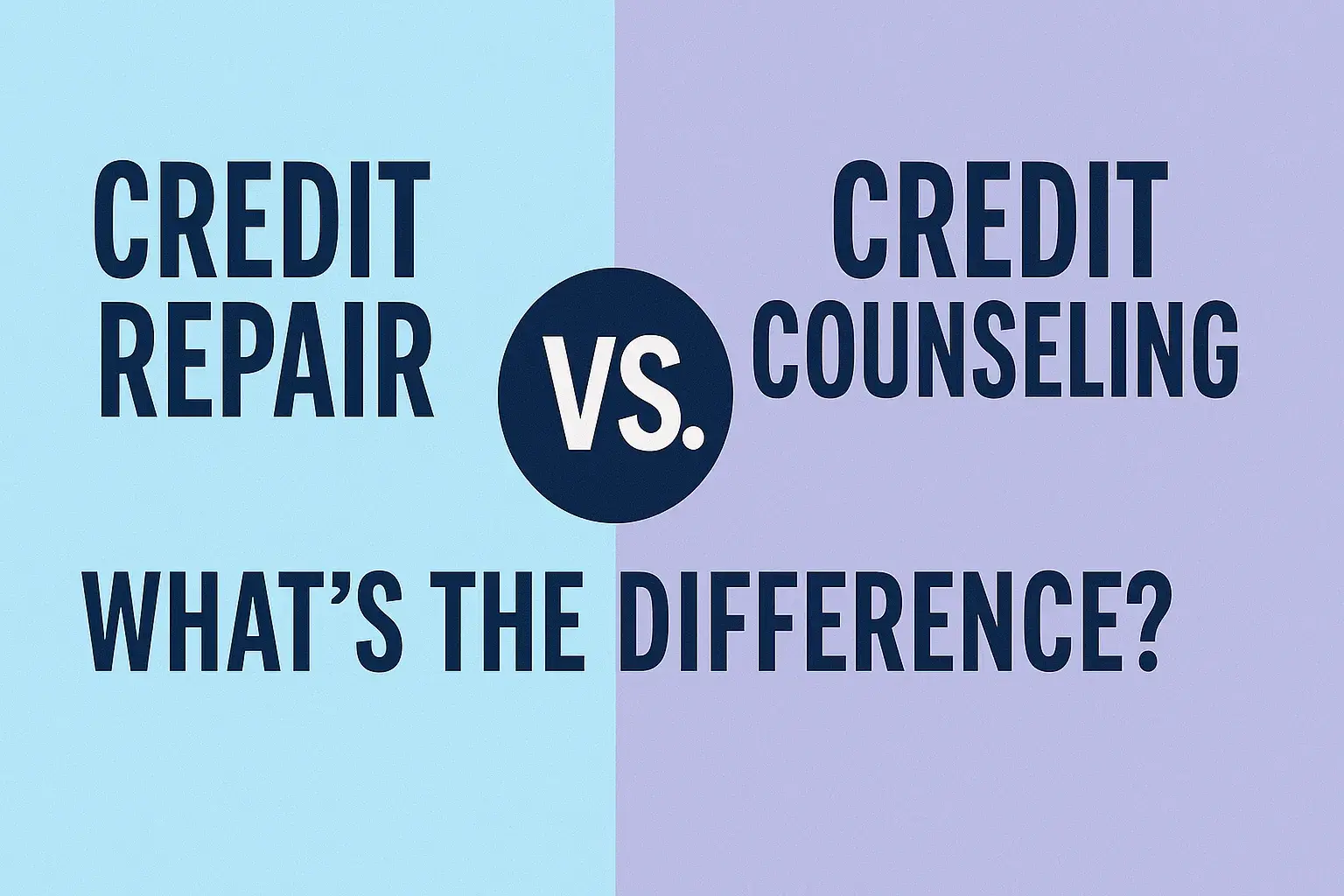
Non-profit credit counseling agencies, often accredited by organizations like the National Foundation for Credit Counseling (NFCC), offer a range of services that can help improve credit. These services often include free or low-cost financial education, budgeting assistance, and debt management plans. Counselors can help you understand your credit report, develop a plan to manage your debts, and negotiate with creditors. Unlike credit repair companies, credit counselors focus on long-term financial education and responsible debt management rather than solely on disputing errors.
Debt Management Plans
A Debt Management Plan (DMP) is a program offered by credit counseling agencies where you make one monthly payment to the agency, and they distribute it to your creditors. Often, creditors will agree to lower interest rates or waive late fees for individuals enrolled in a DMP. While a DMP can help you get out of debt and improve your payment history, it typically requires closing your credit card accounts and can remain on your credit report for some time, though it is generally viewed more favorably than defaulting on payments.
Choosing the Right Credit Repair Company
If you decide that a credit repair company is the best option for you, it's crucial to choose a reputable one. The industry has its share of scams, so due diligence is essential. Here are key factors to consider when selecting a credit repair service.
Research and Reputation
Before committing to any company, conduct thorough research. Look for reviews from current and former clients. Check their standing with the Better Business Bureau (BBB) and look for any complaints filed against them. A company with a long history of positive client testimonials and a good BBB rating is generally a safer bet. Online forums and consumer advocacy websites can also provide valuable insights.
Understanding Fees and Contracts
Be wary of companies that charge high upfront fees. As per CROA, credit repair organizations cannot charge you for services before they are performed. Most legitimate companies charge a one-time setup fee and then a monthly fee for ongoing services. Ensure you understand the fee structure completely and that it is clearly outlined in the contract. Read the contract carefully, paying attention to cancellation policies and the scope of services. Never sign a contract you don't fully understand.
Licensing and Bonding
Many states require credit repair companies to be licensed and bonded. This means they have met certain legal requirements and have insurance to protect consumers. Ask potential companies about their licensing and bonding status. A legitimate company will readily provide this information. If they are hesitant or unable to do so, it's a significant red flag.
Avoiding Scams
Be cautious of companies that make unrealistic promises, such as guaranteeing a specific credit score increase or the removal of all negative items within a short period. No company can guarantee results, as credit repair outcomes depend on the accuracy of the information and the cooperation of credit bureaus and creditors. Avoid companies that ask you to pay for services before they are rendered, or that suggest you lie or misrepresent yourself to credit bureaus or creditors. Legitimate companies will work within the legal framework.
Statistics and the Credit Repair Industry in 2025
The landscape of credit repair continues to evolve. In 2025, several trends and statistics highlight the ongoing need for and impact of credit repair services. According to recent analyses, approximately 35% of credit reports contain some form of error, ranging from minor inaccuracies to significant misreporting. These errors can lead to a substantial drop in credit scores, impacting consumers' ability to access credit, secure housing, and even obtain employment. The average impact of a significant error, such as a fraudulent account or an incorrect late payment, can be a reduction of 50 to 100 points on a credit score.
The credit repair industry is projected to continue its growth, with an estimated market size of over $3 billion in the United States in 2025. This growth is driven by increasing consumer awareness of credit scores and the desire for financial improvement. Furthermore, the complexity of credit reporting systems and the sheer volume of data managed by credit bureaus mean that errors are inevitable. Consumers often find the dispute process daunting, leading them to seek professional assistance. For example, a 2024 survey indicated that over 60% of consumers who attempted DIY credit repair found it too complex or time-consuming.
The effectiveness of credit repair services is also a key consideration. While results vary, studies suggest that reputable companies can achieve an average improvement of 20-40 points on a credit score within the first 60-90 days of service, primarily through the removal of inaccuracies. However, it's crucial to remember that credit repair companies cannot remove accurate, negative information, such as legitimate late payments or bankruptcies, that are still within the reporting period. Their primary function is to correct errors and address disputable items. The regulatory environment, particularly the enforcement of CROA and state-specific laws, remains a critical factor in ensuring consumer protection and maintaining the integrity of the industry.
Conclusion: Making an Informed Decision
Credit repair companies play a vital role in helping consumers navigate the complexities of their credit reports and improve their financial standing. They achieve this by meticulously auditing credit reports, identifying inaccuracies, and initiating disputes with credit bureaus and creditors. Their expertise in consumer credit laws, such as the Fair Credit Reporting Act (FCRA) and the Credit Repair Organizations Act (CROA), allows them to effectively challenge erroneous information like late payments, collection accounts, and fraudulent entries. While the process can take time and requires diligent follow-up, the potential benefits of a higher credit score—including better loan terms, lower interest rates, and improved access to financial products—can be substantial.
It is essential for consumers to understand that credit repair companies cannot magically erase accurate negative information. Their strength lies in correcting errors and addressing items that are inaccurately reported or violate consumer rights. For those who lack the time, expertise, or confidence to tackle this process independently, a reputable credit repair company can be a valuable partner. However, thorough research, careful consideration of fees and contracts, and an understanding of state and federal regulations are paramount to choosing a legitimate service and avoiding scams. By making an informed decision, consumers can leverage credit repair services to take a significant step towards a healthier financial future.