What Does A Credit Repair Company Do?
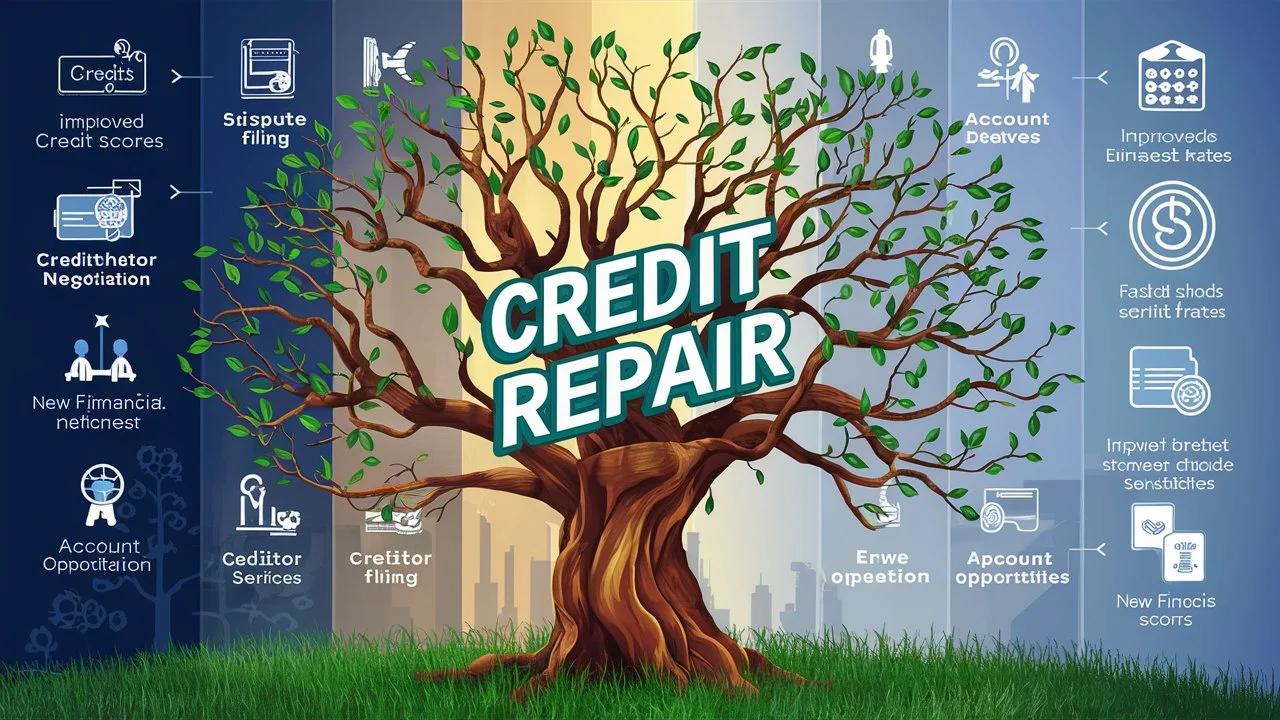
Navigating the complexities of credit repair can feel daunting. A credit repair company acts as your advocate, working to identify and dispute inaccuracies on your credit reports, aiming to improve your financial standing. Understanding their role is the first step towards a healthier credit future.
What Exactly is Credit Repair?
Credit repair is the process of identifying and rectifying errors on your credit reports, as well as addressing negative information that may be impacting your credit score. It's not about erasing legitimate debt or bad credit history, but rather about ensuring accuracy and fairness in how your financial behavior is represented. This can involve disputing incorrect late payments, outdated collections, or fraudulent accounts that have been mistakenly added to your profile. The ultimate goal is to present a more accurate and favorable picture of your creditworthiness to lenders and other entities that rely on credit reports.
How Do Credit Repair Companies Actually Work?
Credit repair companies act as intermediaries between you and the credit bureaus (Equifax, Experian, and TransUnion), and sometimes with your creditors. Their primary function is to leverage consumer protection laws, such as the Fair Credit Reporting Act (FCRA), to challenge inaccuracies and outdated information on your credit reports. They employ a systematic approach to achieve this, which typically involves several key stages:
1. Initial Assessment and Audit
The first step a credit repair company takes is to obtain copies of your credit reports from all three major credit bureaus. They will then conduct a thorough audit of these reports. This involves meticulously reviewing every item listed, looking for:
- Inaccuracies: This could include incorrect personal information (name, address, Social Security number), wrong account statuses (e.g., a paid account showing as delinquent), incorrect balances, or payments reported on the wrong dates.
- Outdated Information: The FCRA sets limits on how long negative information can remain on your credit report. For instance, most negative items like late payments or collections can stay for seven years, while bankruptcies can remain for seven to ten years. Companies will identify information that is past its reporting limit.
- Unverifiable Information: Sometimes, creditors or collectors may not be able to provide sufficient proof that a debt is yours or that it's being reported accurately. Credit repair companies can challenge these items.
- Duplicate Entries: Occasionally, the same debt or account might appear multiple times on a credit report, which can unfairly lower your score.
This audit is crucial because it forms the basis of their dispute strategy. They will identify specific items to challenge and determine the most effective approach for each.
2. Disputing Inaccurate Information
Once the audit is complete, the credit repair company will draft and send dispute letters to the relevant credit bureaus on your behalf. These letters are formal requests to investigate specific items on your credit report. According to the FCRA, credit bureaus have 30 days (sometimes extended to 45 days) to investigate these disputes. During this investigation, the credit bureau will contact the creditor or furnisher of the information to verify its accuracy. If the creditor cannot provide proof that the information is correct, the credit bureau is legally obligated to remove it from your report.
Credit repair companies often use specialized software and follow established protocols to ensure their dispute letters are comprehensive and meet the requirements of the FCRA. They may send multiple rounds of disputes if initial attempts are unsuccessful, employing different strategies for each round. This persistent approach is one of the key benefits of using a professional service.
3. Negotiating with Creditors (Sometimes)
While the primary focus is on disputing inaccuracies with credit bureaus, some credit repair companies may also offer to negotiate with your creditors. This can take a few forms:
- Goodwill Adjustments: If there's a minor, isolated incident of a late payment, a credit repair company might contact the creditor to request a goodwill adjustment, asking them to remove the negative mark as a one-time courtesy.
- Settlement Negotiations: In cases of legitimate outstanding debts that are negatively impacting your score, some companies might negotiate with creditors to settle the debt for a lower amount. However, it's important to note that settling a debt can still have a negative impact on your credit score, though potentially less severe than a charge-off or judgment.
It's crucial to understand that not all credit repair companies offer this service, and the success of such negotiations is never guaranteed. Consumers should be wary of companies that promise to settle all your debts or guarantee specific outcomes from these negotiations.
4. Monitoring and Reporting Progress
Throughout the credit repair process, reputable companies will keep you informed of their progress. They will typically provide you with regular updates, often through an online portal or periodic reports, detailing the disputes filed, the responses received from credit bureaus, and any changes made to your credit reports. This ongoing monitoring ensures that you are aware of the improvements being made and can track the effectiveness of the strategies employed.
This continuous oversight is vital for identifying any new issues that may arise and for ensuring that resolved issues remain corrected. It also helps in refining the dispute strategy if certain approaches are not yielding the desired results.
Common Services Offered by Credit Repair Companies
Credit repair companies offer a range of services designed to help individuals improve their credit standing. While the core service revolves around disputing errors, their offerings often extend to education and support:
Credit Report Analysis
This is the foundational service. Experts at the company will review your credit reports from Equifax, Experian, and TransUnion to identify any potential inaccuracies, outdated information, or misleading entries. They look for everything from incorrect personal details to mistaken account statuses.
Dispute Letter Preparation
Once inaccuracies are identified, the company drafts and sends formal dispute letters to the credit bureaus on your behalf. These letters are carefully worded to comply with consumer protection laws like the FCRA, initiating the investigation process.
Debt Validation
If you have accounts in collections, a credit repair company can request debt validation from the collection agency. This requires the agency to provide proof that they own the debt and that the amount owed is accurate. If they cannot validate the debt, it must be removed from your credit report.
Credit Education and Coaching
Many reputable credit repair services include educational components. They aim to teach you about credit scoring, responsible credit management, and strategies for maintaining good credit long-term. This empowers you to make better financial decisions in the future.
Identity Theft Protection
Some companies may offer identity theft monitoring services as part of their package. This helps detect fraudulent activity on your credit reports and can provide assistance in resolving issues related to identity theft.
When Should You Consider a Credit Repair Company?
Deciding whether to hire a credit repair company is a significant financial decision. While many individuals can manage their own credit repair, there are specific situations where professional assistance can be particularly beneficial:
Significant Errors on Your Report
If you've reviewed your credit reports and discovered numerous or complex errors—such as accounts that aren't yours, incorrect payment histories, or incorrect balances—a credit repair company has the expertise and resources to systematically challenge these issues. They understand the dispute process and can often achieve results more efficiently than an individual.
Lack of Time or Knowledge
The credit repair process can be time-consuming and requires a good understanding of consumer protection laws like the FCRA. If you have a busy schedule or feel overwhelmed by the prospect of learning the intricacies of credit reporting and dispute resolution, a professional service can handle the heavy lifting for you.
Complex Credit Situations
For individuals dealing with challenging credit histories, such as multiple collections, judgments, bankruptcies, or identity theft, a credit repair company can provide a structured approach. They can help untangle complex issues and develop a strategy to address each negative item effectively.
Preparing for Major Financial Goals
If you're planning to buy a home, purchase a car, or apply for a significant loan in the near future, improving your credit score is crucial. A credit repair company can help expedite the process of removing inaccuracies, potentially leading to better loan terms and interest rates, saving you money in the long run.
What Credit Repair Companies Cannot Do
It's essential to have realistic expectations about what a credit repair company can and cannot do. Misunderstandings can lead to disappointment and financial loss. Reputable companies are transparent about their limitations, which are often dictated by consumer protection laws:
Guarantee Results
No legitimate credit repair company can guarantee specific results, such as a particular score increase or the removal of all negative items. Credit repair is a process, and outcomes depend on the accuracy of the information on your report and the cooperation of creditors and credit bureaus. Any company that guarantees results should be viewed with suspicion.
Remove Accurate Negative Information
Credit repair companies cannot legally remove accurate and verifiable negative information from your credit report, even if it's old. The FCRA allows negative information to remain on your report for a specific period. Their job is to ensure only accurate and timely information is reported.
Make You Eligible for Credit
While improving your credit score can increase your chances of being approved for credit, a credit repair company cannot force lenders to approve your applications. Eligibility for credit is determined by lenders based on their own criteria, which include your credit score, income, and debt-to-income ratio.
Pay Off Your Debts
Credit repair companies are not debt relief services. They do not pay off your debts for you. Their focus is on the accuracy of your credit reports. While they might negotiate settlements for some debts, this is a separate service and doesn't absolve you of your responsibility to pay your creditors.
Choosing the Right Credit Repair Company
With numerous companies offering credit repair services, selecting a trustworthy and effective one is paramount. A careful vetting process can save you time, money, and frustration. Here’s what to look for:
Research and Reviews
Start by researching potential companies online. Look for customer reviews on reputable platforms, check their Better Business Bureau (BBB) rating, and see if they have any complaints filed against them. While some negative reviews are inevitable, a pattern of unresolved issues or widespread dissatisfaction is a major red flag.
Understanding Fees
Be clear about the fee structure. Most companies charge an initial setup fee and then a monthly fee. Understand what services are included in these fees and what additional costs might arise. Avoid companies that charge high upfront fees before any work has begun. The Credit Repair Organizations Act (CROA) limits upfront fees.
Contractual Obligations
Carefully read the contract before signing. Understand the scope of services, the duration of the agreement, cancellation policies, and dispute resolution clauses. A reputable company will provide a clear, easy-to-understand contract and allow you time to review it.
Licensing and Bonding
Depending on your state, credit repair companies may be required to be licensed and bonded. This provides a level of consumer protection. Inquire about their licensing status and ensure they comply with all state and federal regulations.
Beware of Red Flags
- Guarantees: As mentioned, guarantees of specific results are a major red flag.
- High Upfront Fees: Charging substantial fees before providing any services is prohibited by the CROA.
- Requests for Payment Upfront: Legitimate companies typically charge monthly for services rendered or after services are performed.
- Promises to Remove Accurate Information: No company can legally remove accurate negative information.
- Lack of Transparency: Vague explanations of services or unclear fee structures are concerning.
- Unsolicited Offers: Be cautious of companies that contact you out of the blue with offers to repair your credit.
The Cost of Credit Repair
The cost of credit repair services can vary significantly, but most companies operate on a fee-based model. Typically, you can expect to pay:
- Setup Fees: These are one-time fees charged when you first sign up for services. They can range from $50 to $200 or more, covering the initial analysis of your credit reports and the setup of your file.
- Monthly Fees: Most companies charge a recurring monthly fee, which can range from $75 to $150 or even higher. This fee covers the ongoing dispute process, communication with credit bureaus and creditors, and credit monitoring.
Some companies might also charge per-deleted item fees, though this is less common and can be a red flag. The total cost can range from a few hundred to over a thousand dollars, depending on the company, the complexity of your credit issues, and the duration of the service. It's crucial to get a clear breakdown of all potential costs before agreeing to any service.
For example, a company might charge a $100 setup fee and $99 per month. If your credit repair process takes 6 months, the total cost would be $100 + ($99 * 6) = $694. It's also important to remember that these fees are separate from any debts you may owe. You will still be responsible for paying your creditors directly.
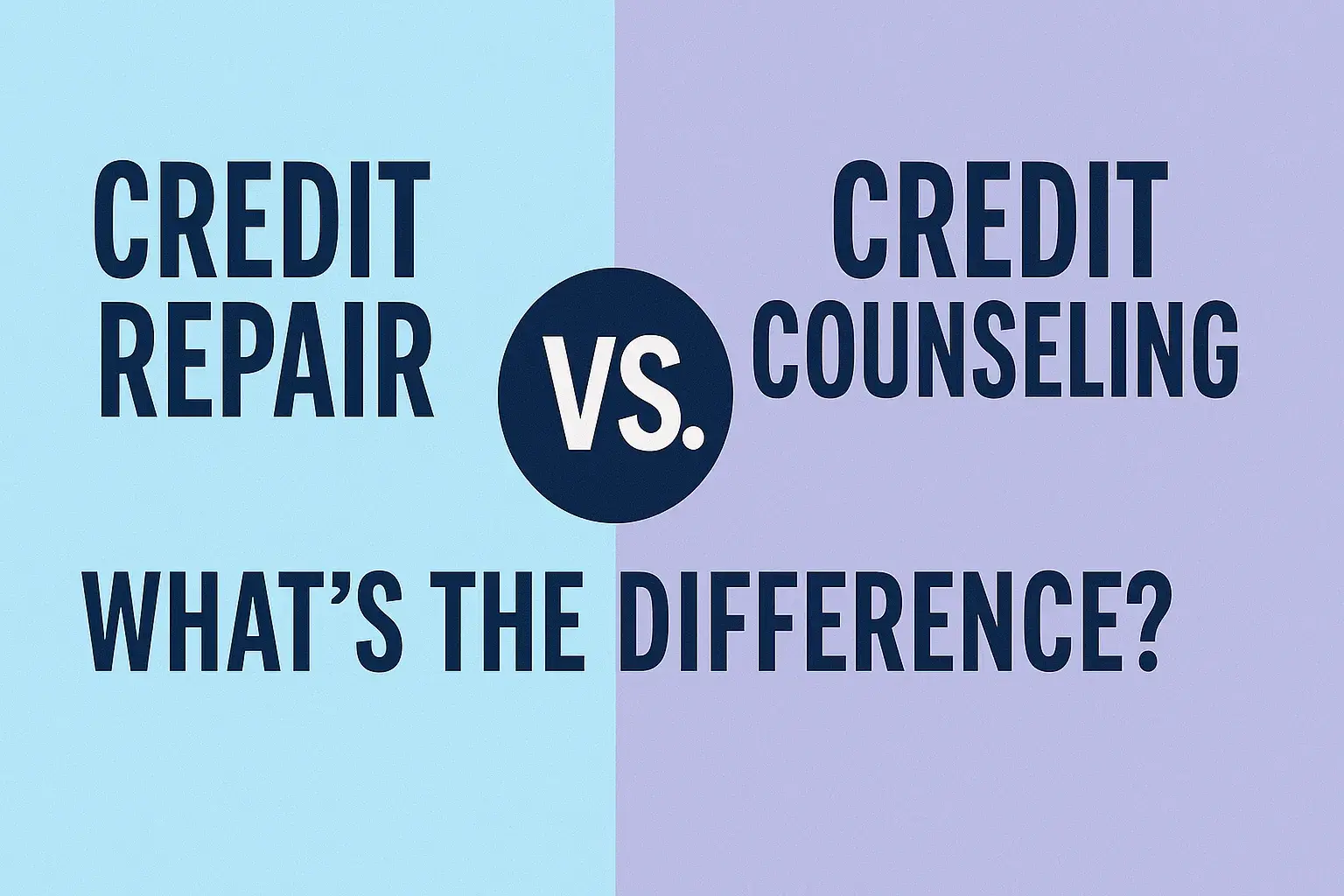
Credit Repair vs. Credit Counseling
It's important to distinguish between credit repair companies and credit counseling agencies, as their functions and approaches differ significantly:
| Feature | Credit Repair Company | Credit Counseling Agency |
|---|---|---|
| Primary Focus | Disputing inaccuracies on credit reports. | Budgeting, debt management, financial education. |
| How They Help | Challenge errors with credit bureaus and creditors. | Help create a budget, negotiate with creditors for a Debt Management Plan (DMP), provide financial education. |
| Legality | Operate under the Credit Repair Organizations Act (CROA). | Often non-profit, may be accredited by organizations like the National Foundation for Credit Counseling (NFCC). |
| Fees | Typically charge setup and monthly fees. Fees for services are often charged after they are performed. | May charge a small monthly fee for DMPs, but often offer free or low-cost budgeting and education services. |
| What They Cannot Do | Guarantee results, remove accurate negative information, pay off debts. | Guarantee credit score increases, remove accurate negative information. |
While both aim to improve financial health, credit counseling is generally more focused on addressing the root causes of debt and financial mismanagement, whereas credit repair focuses on correcting errors in credit reporting.
The Legal Framework Governing Credit Repair
The credit repair industry is regulated by both federal and state laws to protect consumers from fraudulent practices. The primary federal law is the Credit Repair Organizations Act (CROA), enacted in 1996. Key provisions of CROA include:
- Disclosure Requirements: Credit repair organizations must provide consumers with a detailed disclosure statement outlining their rights and the services they will provide before entering into a contract.
- Prohibition of Certain Practices: CROA prohibits credit repair organizations from engaging in deceptive practices, such as making false claims about their ability to improve a consumer's credit record, advising consumers to dispute accurate information, or charging fees before services are performed.
- Contract Requirements: Contracts must be in writing, dated, and signed by the consumer. They must clearly state the services to be performed, the timeframe for those services, and the total cost.
- Cancellation Rights: Consumers have the right to cancel their contract within three business days of signing it, without penalty.
In addition to CROA, the Fair Credit Reporting Act (FCRA) governs how credit bureaus and furnishers of credit information handle disputes. This means that credit repair organizations must operate within the framework of the FCRA when challenging information on credit reports. Many states also have their own laws that may impose additional requirements on credit repair organizations, such as licensing and bonding.
Credit Repair Statistics for 2025
As of early 2025, the landscape of credit health and repair continues to evolve. Several key statistics highlight the ongoing need for credit improvement services:
- Prevalence of Credit Report Errors: Studies consistently show a significant percentage of consumers find errors on their credit reports. For 2025, estimates suggest that approximately 20-25% of all credit reports contain at least one material error that could negatively impact a consumer's credit score. This translates to tens of millions of Americans potentially affected.
- Impact of Errors on Scores: A single material error can lower a credit score by as much as 50-100 points. With the average credit score hovering around 715 in early 2025, such a drop can have substantial consequences for loan approvals and interest rates.
- Consumer Debt Levels: Total U.S. consumer debt, including credit card debt, auto loans, and student loans, continues to be a significant factor. In early 2025, total revolving credit debt alone exceeds $1.3 trillion, with average credit card balances remaining high, impacting credit utilization ratios.
- Growth in Credit Repair Market: The credit repair industry is projected to continue its growth trajectory, driven by increasing consumer awareness of credit importance and the persistent presence of credit report errors. Market research indicates a steady demand for professional assistance, with the U.S. market for credit repair services estimated to be worth over $3 billion annually in 2025.
- Effectiveness of Disputes: While outcomes vary, the success rate of disputed items being removed or corrected by credit bureaus remains substantial. Data suggests that when disputes are handled effectively, roughly 30-40% of challenged items are removed or corrected, particularly those that are unverifiable or inaccurate.
- Economic Factors: Economic uncertainties and inflation in 2024 and early 2025 have led more consumers to scrutinize their finances, increasing interest in credit improvement. This is reflected in a 15-20% year-over-year increase in inquiries for credit repair and credit counseling services.
These statistics underscore the critical role that accurate credit reporting plays in financial well-being and the continued relevance of credit repair services in helping individuals navigate complex credit systems.
Conclusion: Taking Control of Your Credit Future
Understanding what a credit repair company does is the first step toward making an informed decision about your financial health. These organizations act as expert navigators, leveraging consumer protection laws to challenge inaccuracies and outdated information on your credit reports. They can be invaluable allies if you're facing significant errors, lack the time or expertise to tackle disputes yourself, or are dealing with complex credit issues.
However, it's crucial to approach credit repair with realistic expectations. Legitimate companies cannot guarantee results, remove accurate negative information, or magically make you eligible for credit. They are not a substitute for responsible financial management or debt repayment. The key to success lies in choosing a reputable company—one that is transparent about its fees, practices, and limitations, and adheres strictly to federal and state regulations like the CROA and FCRA.
By carefully researching potential providers, understanding their services, and being aware of common red flags, you can find a credit repair company that genuinely assists you in achieving a more accurate and favorable credit profile. Ultimately, the goal is to empower you with knowledge and tools to not only fix past issues but also to build a stronger, more secure credit future.