What Does Credit Repair Do?
credit repair services aim to improve your credit score by addressing inaccuracies and disputing negative items on your credit report. They can help you understand your credit, identify errors, and work towards a healthier financial future by removing or correcting damaging information.
Understanding Credit Repair: More Than Just a Score Boost
In today's financial landscape, a strong credit score is paramount. It influences everything from securing a mortgage and car loan to even renting an apartment or getting a job. When negative marks on your credit report drag your score down, it can feel like an insurmountable hurdle. This is where credit repair services step in, offering a structured approach to identifying and rectifying issues that negatively impact your creditworthiness. But what exactly does credit repair do beyond a simple score increase? At its core, credit repair is about auditing your credit report for inaccuracies, disputing those errors with credit bureaus and creditors, and ultimately working to remove or correct them. This process can lead to a significant improvement in your credit score, opening doors to better financial opportunities. However, it's crucial to understand that credit repair is not a magic wand; it's a methodical process that requires diligence and an understanding of credit reporting laws.
The primary goal of credit repair is to ensure your credit report accurately reflects your credit history. Inaccurate information, such as late payments you actually made on time, accounts that aren't yours, or incorrect balances, can unfairly penalize your score. Credit repair specialists are trained to identify these discrepancies and leverage consumer protection laws, like the Fair Credit Reporting Act (FCRA), to challenge them. They act as intermediaries, communicating with credit bureaus (Equifax, Experian, and TransUnion) and original creditors on your behalf. This can be a complex and time-consuming process for individuals to navigate alone, making professional assistance a valuable option for many.
Beyond simply removing negative items, effective credit repair also educates consumers about responsible credit management. A reputable service will not only work on your behalf but also provide guidance on how to maintain a healthy credit profile moving forward. This includes advice on budgeting, managing debt, and understanding the impact of various financial decisions on your score. Therefore, credit repair is a multifaceted service designed to not only fix past credit issues but also to empower individuals with the knowledge to build a stronger financial future. In 2025, with the increasing complexity of financial products and data breaches, the accuracy of credit reports is more critical than ever, highlighting the ongoing relevance and importance of credit repair services.
How Does Credit Repair Actually Work? The Process Unpacked
The process of credit repair, while it can vary slightly between companies, generally follows a systematic approach designed to address inaccuracies on your credit report. Understanding these steps is key to appreciating what credit repair services do and how they operate. The journey typically begins with a thorough review of your credit reports from all three major bureaus: Equifax, Experian, and TransUnion. This initial assessment is crucial for identifying any potential errors or negative items that are affecting your score.
1. Credit Report Analysis and Audit
The first and arguably most important step is the comprehensive analysis of your credit reports. Credit repair specialists will meticulously go through each section of your reports, looking for any information that might be inaccurate, outdated, or unverifiable. This includes:
- Personal Information Errors: Incorrect addresses, names, or social security numbers can sometimes lead to mixed files, where someone else's negative information is attached to your report.
- Inaccurate Account Information: This can encompass incorrect payment statuses (e.g., a payment marked late when it was on time), incorrect balances, or accounts that you no longer own or have never opened.
- Outdated or Unverifiable Negative Items: The FCRA sets limits on how long certain negative information can remain on your report. Credit repair services ensure these items are removed if they have surpassed their reporting period or cannot be verified by the creditor.
- Duplicate Entries: Sometimes, the same negative item might appear multiple times on a report, unfairly impacting your score more than it should.
This detailed audit is the foundation upon which all subsequent actions are built. Without a precise understanding of what's on your report, effective dispute can't occur.
2. Dispute Letter Preparation and Submission
Once inaccuracies are identified, the credit repair service drafts and sends dispute letters to the relevant credit bureaus and, in some cases, to the original creditors. These letters are carefully worded to comply with the FCRA and clearly state the nature of the dispute and the evidence supporting it. The FCRA mandates that credit bureaus investigate disputes within a reasonable timeframe, typically 30 days, though this can be extended to 45 days if you provide additional information during the initial 30-day period. The credit repair company will often send multiple rounds of dispute letters if the initial investigation doesn't yield satisfactory results.
3. Communication and Follow-Up
Throughout the dispute process, the credit repair service acts as your liaison. They handle all communication with the credit bureaus and creditors, saving you the time and potential frustration. This involves responding to any requests for additional information, tracking the progress of each dispute, and ensuring that the bureaus and creditors adhere to their legal obligations. Persistent follow-up is a hallmark of effective credit repair, as it can be necessary to achieve resolution.
4. Monitoring and Re-evaluation
As negative items are removed or corrected, the credit repair service will continue to monitor your credit reports. They will assess the impact of these changes on your credit score and may recommend further actions. This ongoing monitoring is crucial for ensuring that no new inaccuracies creep in and that the improvements made are sustained. They will also advise on how to build positive credit habits to maintain and further enhance your score.
In essence, what credit repair does is leverage legal frameworks and systematic processes to challenge and rectify erroneous information on your credit report. By acting on your behalf, they streamline a complex procedure, aiming to restore your credit standing more efficiently than you might be able to on your own. For instance, a common scenario in 2025 involves disputing fraudulent accounts that have been opened due to identity theft, a growing concern that credit repair services are well-equipped to handle.
Common Issues Credit Repair Services Tackle
Credit repair services are designed to address a wide array of issues that can negatively impact your credit score. These problems often stem from errors, oversights, or sometimes malicious activity. Understanding these common issues helps clarify the practical application of credit repair. Here are some of the most frequent culprits that credit repair professionals work to resolve:
Errors on Credit Reports
This is the most common area of focus for credit repair. Errors can manifest in several ways:
- Late Payment Errors: A payment that was actually made on time but is reported as late. This is particularly damaging as payment history is the most significant factor in credit scoring.
- Incorrect Account Balances: Reporting a higher balance than what is actually owed can negatively affect your credit utilization ratio, a key component of your credit score.
- Accounts Not Belonging to You: This can be a result of identity theft or simply a mixed file where information from another consumer with a similar name or Social Security number has been incorrectly attributed to you.
- Closed Accounts Still Reporting: Sometimes, accounts that have been legitimately closed by you or the creditor continue to appear with outstanding balances or negative remarks.
- Duplicate Negative Entries: The same derogatory mark appearing multiple times on your report, artificially lowering your score.
Unverifiable Information
Under the FCRA, credit bureaus and furnishers (creditors) must be able to verify information on your credit report. If they cannot provide proof that a debt is yours or that a negative remark is accurate, it must be removed. Credit repair services are adept at identifying information that may be difficult for creditors to verify, especially older debts or those that have been sold multiple times.
Collections and Charge-Offs
When a debt goes unpaid, it can be sent to a collection agency or charged off by the original creditor. These are significant negative marks. Credit repair can help by:
- Disputing the Validity of the Debt: Ensuring the collection agency has the right to collect and that the amount is accurate.
- Negotiating Removal: In some cases, a credit repair service may be able to negotiate with the creditor or collection agency for the removal of the item in exchange for payment, though this is not guaranteed and depends on the specific circumstances and the entity involved.
Bankruptcies
While bankruptcies are serious and remain on your report for a significant period (7-10 years), credit repair can sometimes help ensure they are reported accurately. For instance, ensuring the discharge date is correct or that the bankruptcy is removed after its statutory reporting period. It's important to note that credit repair cannot remove a legitimate bankruptcy that is still within its reporting timeframe.
Foreclosures and Repossessions
Similar to bankruptcies, these are severe negative marks. Credit repair services will verify that these items are reported accurately and are within their legal reporting limits. They cannot remove a legitimate foreclosure or repossession if it's still within the reporting period.
Public Records
This category includes items like tax liens and civil judgments. While many tax liens have been removed from credit reports by law, older ones or other public records might still appear. Credit repair can help ensure these are removed after their reporting period or if they are no longer valid.
Identity Theft and Fraudulent Accounts
This is a critical area where credit repair services can provide immense value. They can help you identify fraudulent accounts opened in your name, assist in filing fraud affidavits, and dispute these accounts with the credit bureaus. Given the rise in sophisticated identity theft in 2025, this service is more crucial than ever.
In summary, what credit repair does is act as an advocate, meticulously scrutinizing your credit report for any inaccuracies or unverifiable negative items and then systematically challenging them according to consumer protection laws. Their expertise lies in navigating the complex dispute process, which can be overwhelming for individuals attempting it on their own.
The Tangible Benefits of Professional Credit Repair
Engaging the services of a credit repair company can yield significant advantages, extending beyond just a numerical increase in your credit score. These benefits translate into tangible improvements in your financial life, opening up new opportunities and reducing financial stress. Here’s a breakdown of the key advantages:
Improved Credit Score
This is the most direct and sought-after benefit. By identifying and disputing inaccuracies, credit repair services can lead to the removal of negative items like late payments, collections, or erroneous inquiries. Each item removed or corrected can contribute to a higher credit score. For example, removing a collection account could potentially boost a score by 50-100 points, depending on the individual's credit profile and the score model used.
Access to Better Loan Terms and Interest Rates
A higher credit score often translates into lower interest rates on loans, credit cards, and mortgages. This can save you thousands of dollars over the life of a loan. For instance, a mortgage applicant with a score of 740 might qualify for a significantly lower interest rate than someone with a score of 660, leading to substantial monthly savings. In 2025, with fluctuating economic conditions, securing favorable loan terms is more critical than ever.
Increased Approval Chances for Loans and Credit
Lenders use credit scores as a primary indicator of risk. A poor score can lead to rejections for credit cards, auto loans, and mortgages. By improving your credit report, credit repair services can increase your likelihood of being approved for the credit you need.
Lower Insurance Premiums
In many states, insurance companies use credit-based insurance scores to determine premiums for auto and homeowners insurance. A better credit score can lead to lower insurance costs, saving you money on essential policies.
Easier Approval for Rental Properties
Landlords often check credit reports to assess the reliability of potential tenants. A tarnished credit report can make it difficult to secure desirable rental housing. Improving your credit can make you a more attractive candidate to landlords.
Reduced Financial Stress and Peace of Mind
Dealing with debt, collection calls, and the constant worry of a low credit score can be incredibly stressful. Professional credit repair offers a structured path to resolution, providing peace of mind and freeing up mental energy to focus on other aspects of your life.
Time and Effort Savings
Navigating the credit reporting system and engaging in disputes can be a time-consuming and complex process. Credit repair professionals have the expertise and tools to handle these tasks efficiently, saving you valuable time and effort.
Education and Empowerment
Reputable credit repair companies educate their clients about credit building and management. They provide insights into how credit works, the impact of financial decisions, and strategies for maintaining a healthy credit profile long-term. This knowledge empowers you to make better financial choices in the future.
Protection Against Identity Theft and Fraud
Credit repair services can be instrumental in identifying and disputing fraudulent accounts or errors resulting from identity theft. This proactive approach helps protect your financial identity and prevent further damage.
In essence, what credit repair does is unlock your financial potential by cleaning up your credit report. It's an investment that can lead to significant long-term financial savings and improved quality of life. For instance, a young professional looking to buy their first home in 2025 can leverage credit repair to ensure they qualify for the best possible mortgage rates, making homeownership more attainable.
Choosing the Right Credit Repair Company for Your Needs
The credit repair industry has many players, and selecting the right company is crucial for achieving positive results. Not all services are created equal, and some may be less reputable or effective than others. Here’s a guide to help you make an informed decision:
1. Research and Reputation
Start by researching potential companies. Look for established businesses with a proven track record. Check online reviews, testimonials, and any accreditation from consumer protection agencies. Be wary of companies that make unrealistic promises or guarantee specific results, as credit repair is a process that depends on various factors.
2. Understand Their Services and Process
What exactly does the company do? Do they offer a clear explanation of their dispute process? A good company will be transparent about how they operate, what services they provide, and what you can expect. They should be willing to answer all your questions thoroughly. They should also explain what they *cannot* do, such as removing accurate negative information.
3. Fees and Contracts
Credit repair companies typically charge fees. Understand their fee structure: Is it a flat fee, a monthly fee, or a per-item fee? Be aware of any setup or ongoing monthly charges. Carefully review their contract before signing. The Credit Repair Organizations Act (CROA) prohibits charging fees before services are rendered. Reputable companies will have clear, understandable contracts that outline services, fees, and cancellation policies.
4. Licensing and Bonding
In many states, credit repair organizations are required to be licensed and bonded. This provides a level of consumer protection. Inquire whether the company holds the necessary licenses in your state and if they are bonded, which can offer recourse if the company fails to perform.
5. Communication and Customer Service
A good credit repair company will maintain open lines of communication. You should be able to reach them easily, and they should provide regular updates on your progress. Excellent customer service is a sign of a professional and dedicated organization.
6. Focus on Education
The best credit repair services don't just fix your report; they educate you on how to maintain good credit going forward. They should offer advice on budgeting, debt management, and responsible credit usage. This empowers you to take control of your financial future.
7. Avoid Guarantees and High-Pressure Tactics
No legitimate credit repair company can guarantee the removal of all negative items or a specific credit score increase. The outcome depends on the accuracy of your credit report and the cooperation of creditors and bureaus. Be wary of companies that use high-pressure sales tactics or promise instant results.
Comparison of Credit Repair Models (Illustrative)
Here's a simplified comparison of common fee structures:
| Fee Structure | Pros | Cons |
|---|---|---|
| Monthly Retainer | Predictable monthly cost; ongoing support. | Can be more expensive over time if disputes are resolved quickly; you pay for services whether they are actively working on your case or not. |
| Per-Deleted Item Fee | You only pay for results (items removed). | Can be unpredictable; potential incentive for the company to focus on easy-to-remove items rather than complex ones; some companies may not offer this structure due to CROA regulations on advance fees. |
| One-Time Setup Fee + Monthly Fee | Covers initial setup and ongoing services. | Requires careful review of what the setup fee covers and ongoing monthly value. |
When considering what credit repair does, remember that the company is your partner. Choose one that aligns with your financial goals and provides a transparent, ethical, and effective service. For example, in 2025, with increased consumer awareness, companies that offer free initial consultations and detailed credit analysis are often a good starting point.
Credit Repair vs. Other Financial Solutions
When faced with credit challenges, individuals often explore various options. Understanding how credit repair differs from other financial solutions is crucial for choosing the most appropriate path. Here’s a comparison:
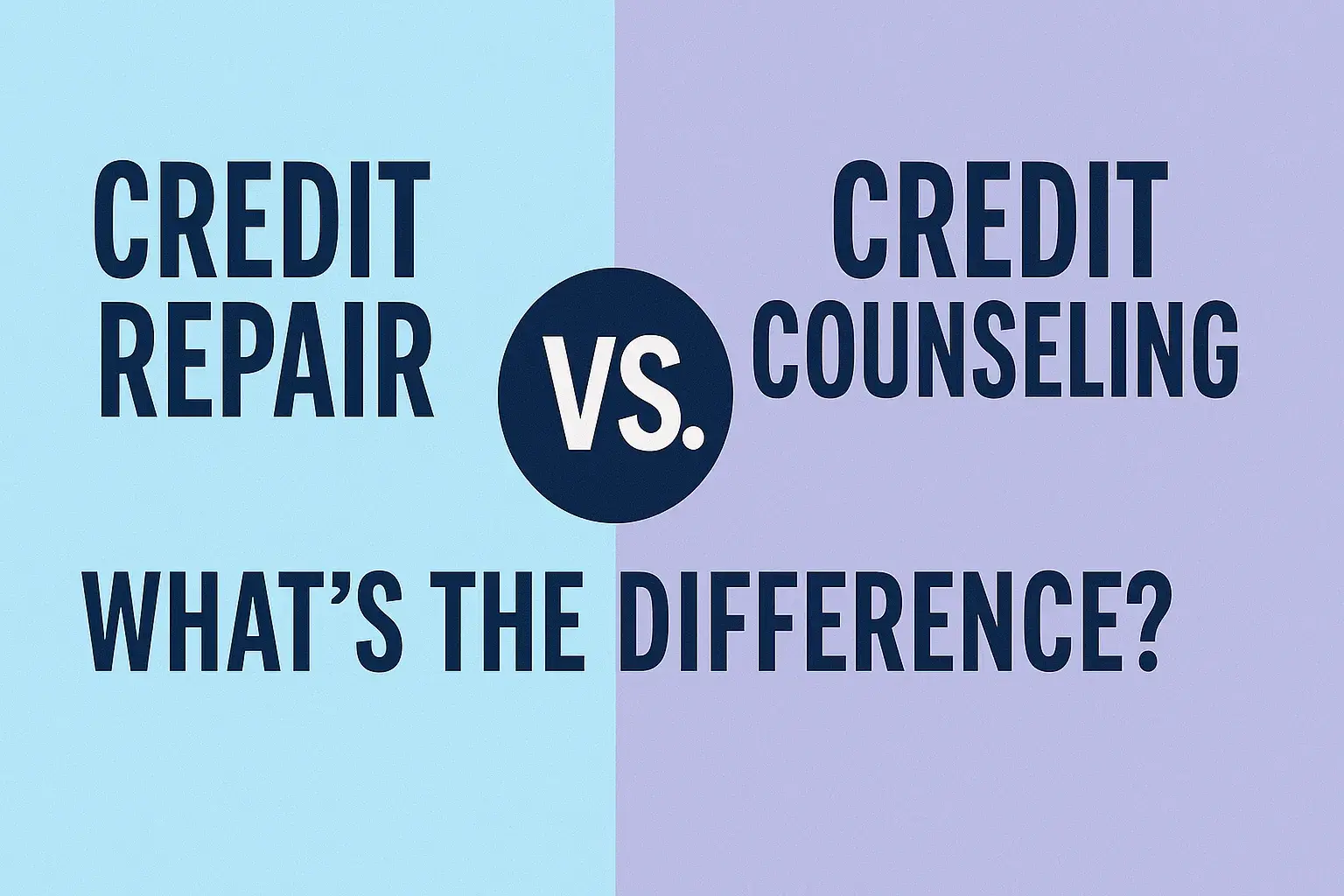
Credit Repair vs. Credit Counseling
Credit Counseling: Non-profit credit counseling agencies help individuals manage their debt. They often assist in creating a Debt Management Plan (DMP), where you make one monthly payment to the agency, which then distributes it to your creditors. They can negotiate lower interest rates and waive late fees. They also provide financial education.
Credit Repair: Focuses on disputing inaccuracies on your credit report to improve your score. They do not directly manage your debt payments or negotiate with creditors on your behalf for lower interest rates, though they may dispute the validity of a debt.
Key Difference: Credit counseling manages your debt; credit repair cleans up your credit report.
Credit Repair vs. Debt Settlement
Debt Settlement: Companies negotiate with your creditors to settle your debts for less than the full amount owed. This often involves you saving up a lump sum, and the settlement company paying off the debt. While it can reduce your overall debt burden, it typically has a significant negative impact on your credit score and can incur substantial fees. The IRS may also consider forgiven debt as taxable income.
Credit Repair: Aims to improve your credit score by removing erroneous negative information. It doesn't involve settling debts for less than owed, though it can help dispute the accuracy of collection accounts.
Key Difference: Debt settlement reduces the amount you owe but harms your credit; credit repair improves your credit by correcting errors.
Credit Repair vs. Bankruptcy
Bankruptcy: A legal process that can discharge or reorganize your debts. There are different types (Chapter 7, Chapter 13) with varying impacts. Bankruptcy offers a fresh start but is a severe negative mark on your credit report for 7-10 years and can have long-lasting financial and personal consequences.
Credit Repair: Aims to fix existing credit report errors. It does not involve legal discharge of debt and is a less severe action than bankruptcy. It can help mitigate the impact of legitimate negative items by ensuring they are reported accurately and removed after their statutory period.
Key Difference: Bankruptcy is a legal debt resolution that severely damages credit; credit repair is a process to improve credit by correcting inaccuracies.
Credit Repair vs. DIY (Do-It-Yourself) Credit Improvement
DIY Credit Improvement: Involves individuals directly contacting credit bureaus and creditors to dispute errors and manage their credit. This requires significant time, effort, and understanding of consumer protection laws.
Credit Repair: Offers professional assistance, expertise, and dedicated resources to navigate the dispute process. They handle the communication and paperwork, which can be overwhelming for individuals.
Key Difference: DIY is free but time-consuming and requires expertise; credit repair services charge a fee for their expertise and time savings.
When to Choose Credit Repair
Credit repair is most suitable when your credit report contains significant inaccuracies or unverifiable negative information that is unfairly dragging down your score. It's an option for individuals who:
- Have errors on their credit report that they cannot resolve on their own.
- Lack the time or expertise to navigate the dispute process.
- Are seeking to improve their credit score for specific financial goals (e.g., buying a home, refinancing a car).
- Are victims of identity theft and need to clean up fraudulent accounts.
In 2025, with the increasing complexity of credit reporting and the prevalence of data breaches, understanding these distinctions is vital. Credit repair is a specific tool for a specific problem: inaccurate credit reporting. It is not a substitute for responsible financial management or a solution for unmanageable debt, but rather a way to ensure your credit report accurately reflects your financial behavior.
Managing Expectations: What Credit Repair Can and Cannot Do
It's crucial to approach credit repair with realistic expectations. While these services can be highly effective, they are not a magic bullet. Understanding their limitations is as important as understanding their capabilities. Here's a clear breakdown of what credit repair can and cannot do:
What Credit Repair CAN Do:
- Remove Inaccurate or Outdated Information: This is the core function. If there are errors on your credit report (e.g., late payments you made on time, accounts that aren't yours, incorrect balances, collections that are past their reporting limit), credit repair services can dispute them and work towards their removal.
- Challenge Unverifiable Debts: If a creditor or collection agency cannot provide sufficient proof that a debt is yours and is valid, credit repair services can push for its removal from your report.
- Help Identify and Address Identity Theft: They can assist in disputing fraudulent accounts and guide you through the process of reporting identity theft.
- Improve Your Credit Score: By removing negative inaccuracies, your credit score can significantly improve, often leading to better financial opportunities.
- Educate You on Credit Management: Reputable services will provide guidance on how to maintain good credit habits moving forward.
- Act as Your Advocate: They handle the complex communication with credit bureaus and creditors, saving you time and stress.
What Credit Repair CANNOT Do:
- Remove Accurate, Verifiable Negative Information: Credit repair services cannot legally remove negative information that is accurate and within its reporting period (e.g., legitimate late payments, bankruptcies, foreclosures, charge-offs). The FCRA protects the reporting of accurate historical data.
- Guarantee a Specific Credit Score Increase: No legitimate service can promise a specific score increase. The outcome depends on the nature and number of inaccuracies on your report and the cooperation of creditors and bureaus.
- Remove Legitimate Debts: Credit repair services do not eliminate your legal obligation to pay valid debts.
- Provide a "Credit Boost" by Adding Positive Information Unfairly: They cannot add positive information that isn't yours or artificially inflate your score.
- Alter Public Records: They cannot remove legitimate public records like judgments or liens that are still valid and within their reporting period.
- Offer Financial Advice Beyond Credit Reporting: While they educate on credit, they are not financial advisors for broader financial planning, investment, or comprehensive debt management strategies (that's the realm of credit counselors).
- Work Instantly: The dispute process takes time, often several months, as credit bureaus and creditors have specific timeframes to respond.
Managing Expectations for 2025
In 2025, the credit reporting landscape continues to evolve. While credit bureaus are becoming more sophisticated, so are the methods for identifying and disputing errors. It's important to remember that credit repair is a process, not an overnight fix. The effectiveness depends heavily on the quality and quantity of inaccuracies present on your credit report. If your report is largely accurate, the impact of credit repair will be minimal. If it's riddled with errors, the potential for improvement is much greater. Always choose a company that is transparent about these limitations and adheres to the Credit Repair Organizations Act (CROA).
Ultimately, what credit repair does is empower you by leveraging consumer protection laws to ensure your credit report is accurate. It's a tool for correction, not for erasing legitimate financial history. By understanding both its strengths and weaknesses, you can make an informed decision about whether it's the right solution for your financial situation.
Understanding the Cost of Credit Repair Services
The cost of credit repair services can vary significantly depending on the company, the complexity of your credit issues, and the services offered. It's essential to understand the fee structures to budget effectively and avoid hidden costs. Reputable credit repair organizations operate within the guidelines set by the Credit Repair Organizations Act (CROA), which has specific regulations regarding how and when they can charge fees.
Common Fee Structures
Most credit repair companies employ one or a combination of the following fee models:
- Monthly Service Fee: This is a recurring fee, typically charged monthly, for the ongoing services provided. It covers the company's efforts in disputing items, communicating with bureaus, and monitoring your progress. The monthly fee can range from $50 to $150 or more, depending on the company's reputation and the scope of services.
- One-Time Setup Fee: Some companies charge an initial fee to cover the costs of setting up your account, pulling your credit reports, and conducting the initial analysis. This fee can range from $50 to $200.
- Per-Deleted Item Fee: While less common and sometimes regulated, some companies might charge a fee for each negative item successfully removed from your credit report. This model is often viewed with caution, as it could incentivize companies to focus on easily removable items rather than the most impactful ones. CROA has restrictions on charging fees before services are rendered, so this model is often structured carefully.
What Fees Typically Cover
When you pay for credit repair, you are generally paying for:
- Credit Report Analysis: Thorough review of your reports from all three major bureaus.
- Dispute Letter Preparation and Sending: Crafting and mailing dispute letters to credit bureaus and creditors.
- Communication and Follow-Up: Acting as your liaison and managing correspondence.
- Credit Monitoring: Some services include credit monitoring as part of their package.
- Educational Resources: Guidance on credit building and management.
What to Be Wary Of
It's crucial to be aware of red flags regarding pricing:
- Guaranteed Results: No legitimate company can guarantee specific results or a particular credit score increase. If a company promises this, it's a major warning sign.
- Upfront Fees for Services Not Yet Rendered: CROA generally prohibits charging significant fees before services are performed. While a setup fee for initial analysis and report pulling is common, be cautious of large upfront payments for future dispute work.
- Unclear Fee Structures: If a company is vague about its costs or charges, it's best to look elsewhere.
- High-Pressure Sales Tactics: Reputable companies will allow you time to consider their services.
Cost-Benefit Analysis
When evaluating the cost of credit repair, consider the potential long-term benefits. If a credit repair service helps you:
- Secure a mortgage with a lower interest rate, you could save tens of thousands of dollars.
- Get approved for a car loan with better terms, saving hundreds or thousands in interest.
- Avoid rejection for rental applications, saving you time and potential housing insecurity.
- Reduce stress and gain peace of mind.
The cost of credit repair can often be justified by the financial advantages gained from an improved credit profile. For example, in 2025, with interest rates potentially remaining elevated, saving even a fraction of a percent on a mortgage can be substantial. A typical credit repair service might cost between $500 and $1500 over several months, which can be a worthwhile investment compared to the financial penalties of poor credit.
Always ensure you receive a written contract detailing all services, fees, and cancellation policies before agreeing to any credit repair service. Understanding what credit repair does for you also involves understanding the financial commitment required.
Making the Most of Your Credit Repair Journey
Embarking on a credit repair journey is a proactive step towards a healthier financial future. To maximize the effectiveness of credit repair services and ensure you achieve the best possible outcomes, follow these key strategies:
1. Be Honest and Transparent with Your Provider
Provide your credit repair company with accurate and complete information about your financial situation, including all debts, accounts, and any known issues. The more information they have, the better they can tailor their strategy to your specific needs.
2. Understand Your Credit Reports Thoroughly
While the credit repair service will analyze your reports, take the time to review them yourself. Familiarize yourself with the information presented. This will help you understand the disputes being made and track progress more effectively. Many services offer tools or guides to help you with this.
3. Cooperate Promptly with Requests for Information
Credit repair companies may occasionally need additional documentation or information from you to support a dispute. Respond to these requests promptly to avoid delays in the process. The faster you provide what's needed, the faster they can act.
4. Continue Responsible Financial Habits
Credit repair services focus on fixing past errors. However, your ongoing financial behavior is critical for long-term credit health. Continue to:
- Pay all bills on time: Payment history is the most significant factor in your credit score.
- Keep credit utilization low: Aim to use less than 30% of your available credit on credit cards.
- Avoid opening too many new accounts at once: This can negatively impact your score.
- Monitor your credit regularly: Even after credit repair, keep an eye on your reports for any new issues.
5. Be Patient and Persistent
Credit repair is a process that takes time. The credit bureaus and creditors have legal timeframes to respond to disputes, and it can take several months to see significant results. Avoid getting discouraged by slow progress. Persistence is key, and reputable companies will be persistent on your behalf.
6. Understand the Dispute Process
Ask your credit repair provider to explain their dispute process. Knowing how they operate, what steps they take, and what you can expect at each stage will help you manage your expectations and appreciate the work being done.
7. Review Your Progress Regularly
Most credit repair companies provide regular updates. Review these updates carefully and discuss any concerns or questions you have with your provider. Track your credit score using a reliable monitoring service to see the impact of the repair efforts.
8. Prepare for Life After Credit Repair
Once your credit report is significantly improved, the work isn't over. Use the knowledge gained from your credit repair provider to maintain your improved score. Focus on building positive credit history and continuing responsible financial management. Consider setting new financial goals, such as saving for a down payment or investing, now that your credit is stronger.
In 2025, the financial landscape continues to demand a strong credit profile. By actively participating in your credit repair journey and adopting sound financial practices, you can ensure that the efforts of credit repair services translate into lasting financial benefits. What credit repair does is provide a structured pathway to correct past credit reporting issues, but your ongoing commitment to financial responsibility is what solidifies long-term success.
In conclusion, credit repair services are designed to meticulously audit your credit reports, identify inaccuracies, and dispute them with credit bureaus and creditors. They act as your advocate, leveraging consumer protection laws to remove or correct erroneous negative information, thereby aiming to improve your credit score. While they cannot remove accurate negative data or guarantee specific score increases, their value lies in their expertise, time-saving capabilities, and potential to unlock better financial opportunities by ensuring your credit report accurately reflects your financial standing. By understanding what credit repair does, managing expectations, and actively participating in the process, individuals can effectively navigate their credit challenges and pave the way for a more secure financial future.